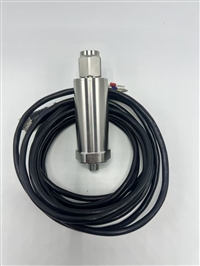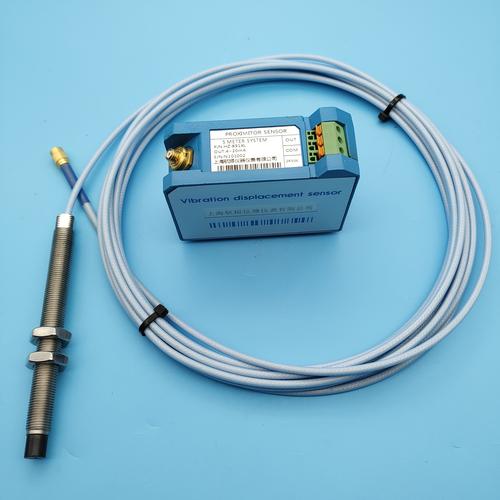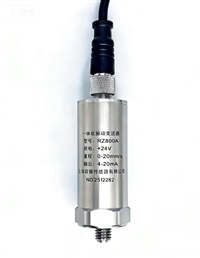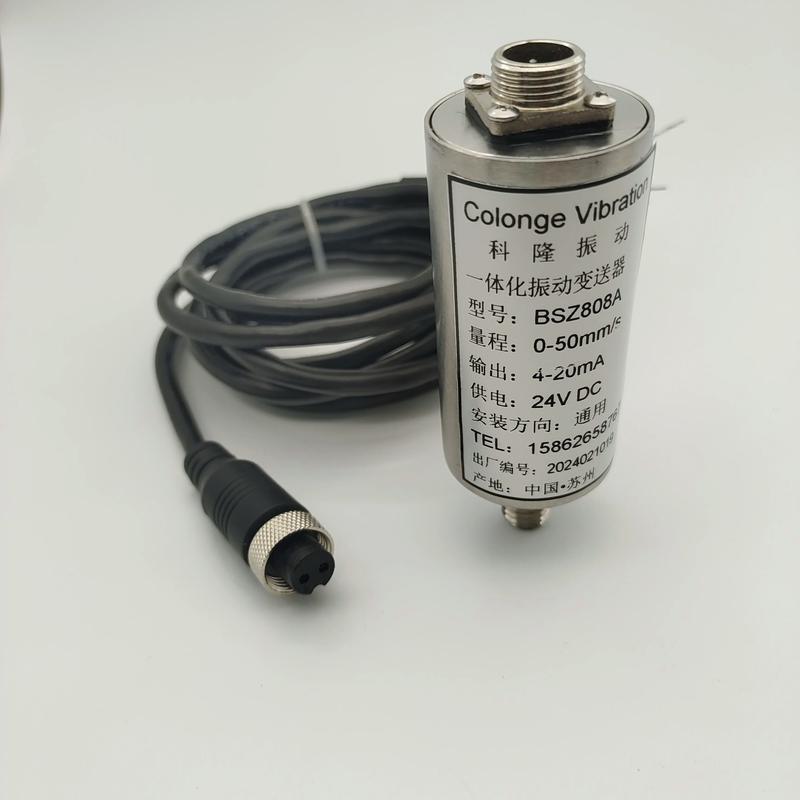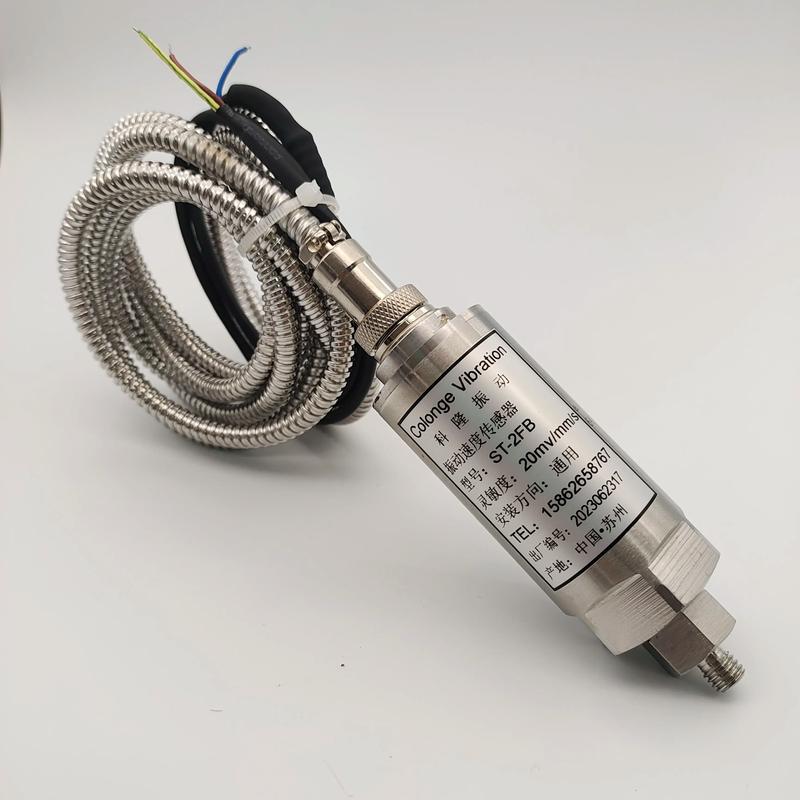

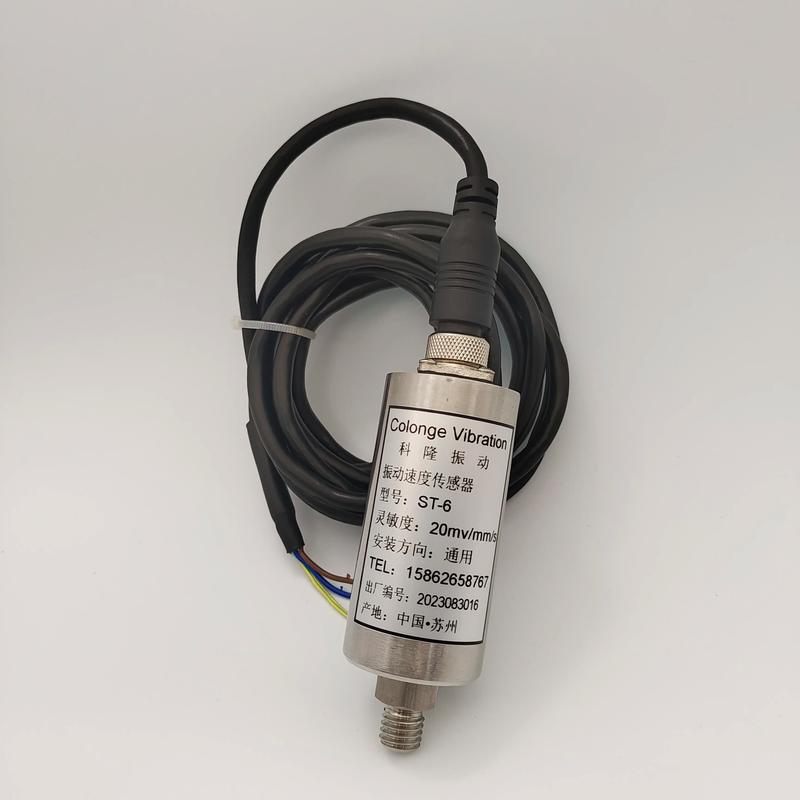
Industrial grade vibration acceleration sensor high-frequency response wear-resistant motor bearing status monitoring
Category:
electron/Sensors, sensitive components/Vibration sensor
Model:
RZ100
Brand:
Rongzhen
sensitive element:
piezoelectric ceramic
frequency response:
0.5-10000Hz
Measurement range:
±50g
sensitivity:
100mV/g
Protection level:
IP67
Operating Temperature:
-40℃~+120℃
output method:
IEPE/Voltage Type
Shell material:
316L stainless steel
install thread:
M5/M6/M8
Nonlinear error:
≤1%
Retail Price
10,000,000.00USD
重量
kg
- Product Description
-
sensitive element piezoelectric ceramic
frequency response 0.5-10000Hz
Measurement range ±50g
sensitivity 100mV/g
Protection level IP67
Operating Temperature -40℃~+120℃
output method IEPE/Voltage Type
Shell material 316L stainless steel
install thread M5/M6/M8
Nonlinear error ≤1%
Description :
A vibration sensor is a precision measuring device that converts mechanical vibration into electrical signals, mainly used for real-time monitoring of the vibration status of rotating machinery, reciprocating equipment, and structural bodies. In the industrial predictive maintenance system, this equipment can capture early abnormal vibration signals of the equipment, helping technicians determine faults such as bearing wear, rotor imbalance, or poor alignment, thereby avoiding unplanned shutdowns. Typical operating conditions cover petrochemical, power generation, metallurgical mining, and intelligent manufacturing production lines, suitable for health management of various motors, pumps, fans, compressors, and gearboxes. It is a key sensing element to ensure long-term stable operation of equipment.
This vibration sensor usually uses a piezoelectric ceramic core as the sensing element, which has high sensitivity and wide frequency response characteristics. The shell is mostly made of stainless steel 316L material, which has been laser welded and sealed to achieve a protection level of IP67 or above, and can adapt to harsh environments such as humidity, oil pollution, and dust. The typical frequency response range is 0.5Hz to 10kHz, with a selectable range of ± 5g to ± 50g, and a nonlinear error of less than 1%. The product complies with ISO 10816 mechanical vibration standards and GB/T 13823 testing specifications, and some models have passed Ex explosion-proof certification. Installation threads are commonly available in M5, M6, or M8 specifications. The output signal supports IEPE constant current source power supply or 4-20mA analog output, ensuring the stability and anti-interference ability of signal transmission.
When selecting, it is important to consider the frequency range and amplitude of the measurement object. For low-speed large equipment such as cement mills, low-frequency responsive speed sensors or integral vibration sensors should be selected; For high-speed precision spindles such as CNC machine tools or aviation engines, high-frequency acceleration vibration sensors need to be selected. If there is strong electromagnetic interference on site, voltage output products with shielded cables should be preferred. Compared with displacement sensors, vibration sensors focus more on monitoring vibration intensity and acceleration, and are not suitable for static position measurement. The procurement personnel need to confirm whether the installation space allows for top or side outlets, and whether a high-temperature resistant version is required to cope with installation scenarios near heat sources.
When installing vibration sensors, it is necessary to ensure that the surface of the measuring point is flat and smooth. It is recommended to use insulated bolts or high-performance adhesive to fix the sensor and the object being measured, ensuring a rigid connection and avoiding the introduction of additional resonance. During daily maintenance, it is necessary to regularly check whether the cables are damaged and whether the joints are loose, in order to prevent signal interruption caused by poor contact. The typical service life can reach more than 5 years, but the inspection cycle needs to be shortened in high temperature or strong corrosive environments. Common faults include increased signal noise or output saturation. In this case, it is necessary to check whether the power supply current is normal and whether the sensor is subjected to mechanical overload impact. Regular use of calibrators for comparative testing can ensure the long-term accuracy and reliability of monitoring data.
AfterSalesService :
Key words:
More Products