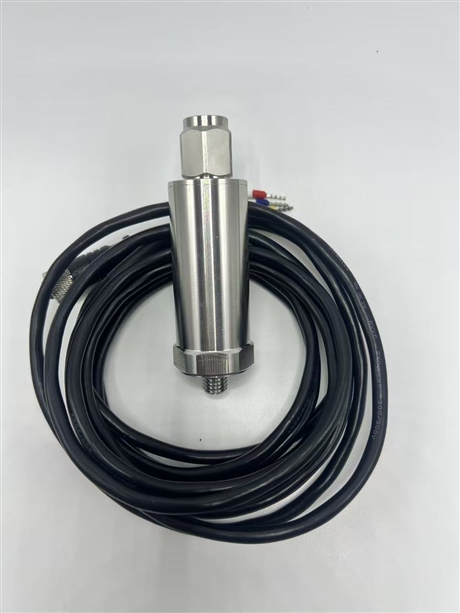

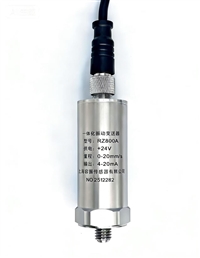
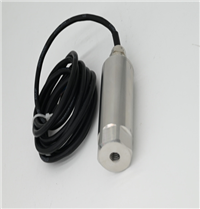
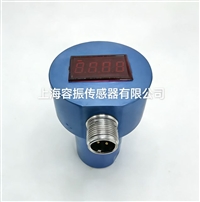
Real time monitoring equipment status of industrial grade vibration transmitter Shanghai Rongzhen
Category:
electron/Sensors, sensitive components/Vibration sensor
Model:
SE-6
Brand:
Shanghai Rongzhen
measurement range:
0-50mm/s (optional)
output signal:
4-20mA
power supply voltage:
24V DC
frequency response:
10Hz-1000Hz
Protection level:
IP65
Operating Temperature:
-40℃~+85℃
Installation method:
M10 thread/magnetic attraction
Shell material:
304 stainless steel
Retail Price
10,000,000.00USD
重量
kg
- Product Description
-
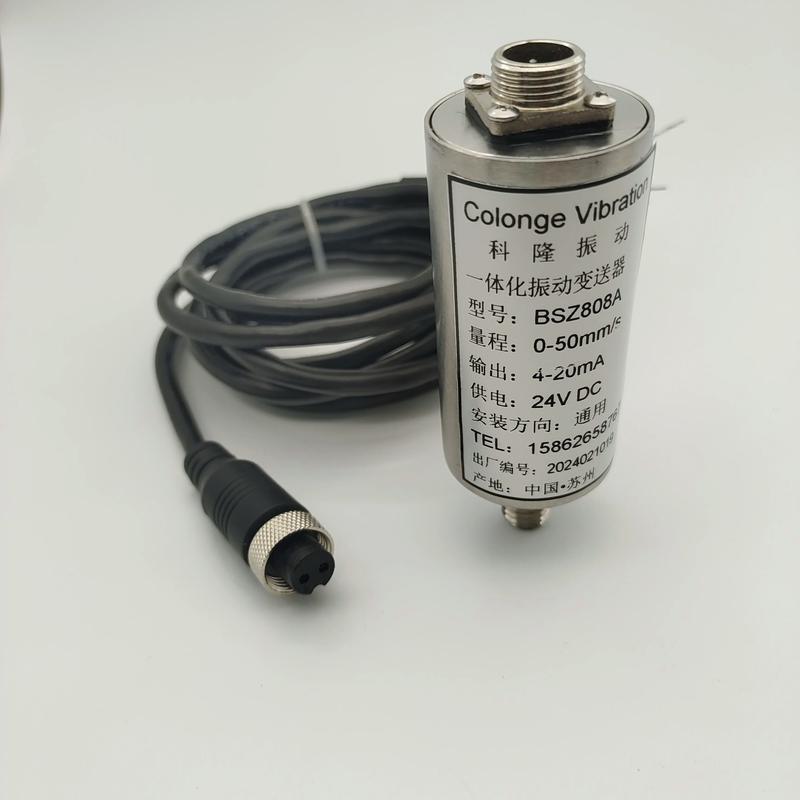
measurement range 0-50mm/s (optional)
output signal 4-20mA
power supply voltage 24V DC
frequency response 10Hz-1000Hz
Protection level IP65
Operating Temperature -40℃~+85℃
Installation method M10 thread/magnetic attraction
Shell material 304 stainless steel
Description :
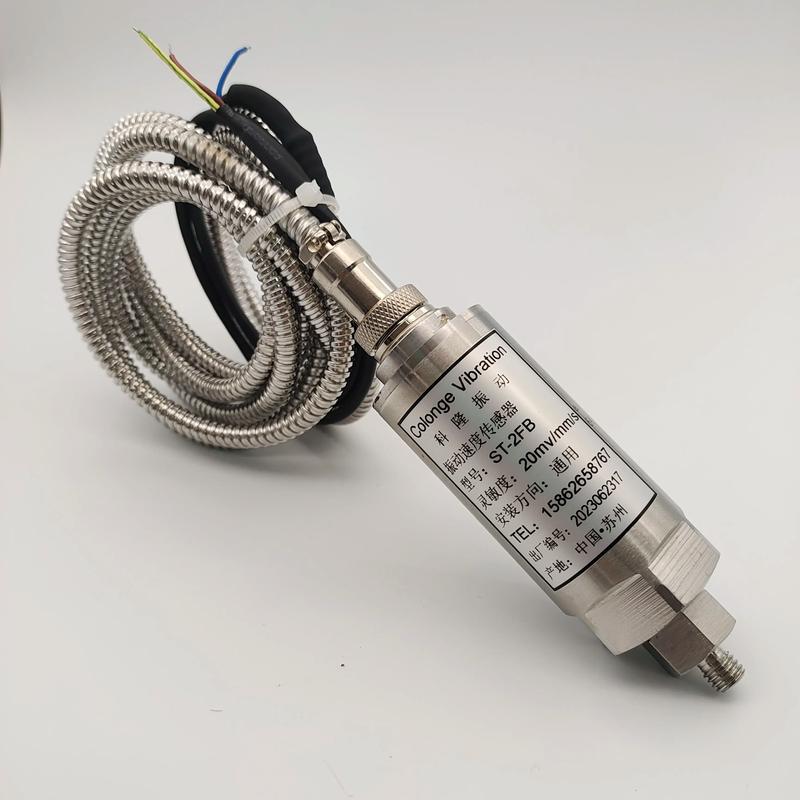
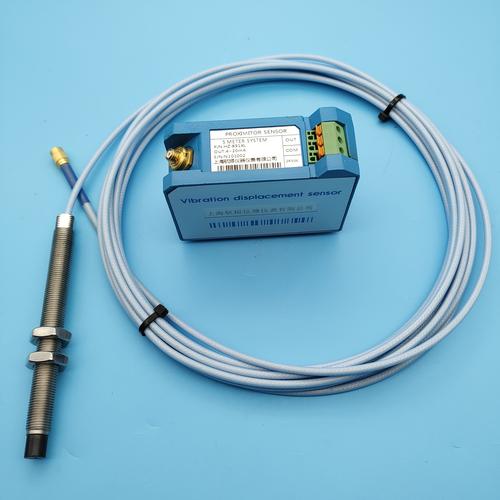
Vibration transmitter is an industrial sensor that converts mechanical vibration signals into standard electrical signals for output, mainly used for status monitoring and fault warning of rotating machinery. It collects real-time vibration velocity, displacement, or acceleration data of the device casing or bearing seat through built-in high-precision piezoelectric or MEMS acceleration sensors, and linearly converts it into 4-20mA current signals or 0-10V voltage signals. This vibration transmitter can be directly connected to control systems such as PLC and DCS, helping factories achieve continuous monitoring of key equipment such as fans, pumps, and motors, effectively preventing sudden shutdowns caused by imbalance, misalignment, or bearing wear. It is the core sensing element in industrial predictive maintenance systems.
This vibration transmitter usually adopts a stainless steel 304 or 316L material housing, with a protection level of IP65 or above, suitable for humid, dusty, and corrosive industrial environments. The core sensitive components are temperature compensated to ensure stable sensitivity and linearity within a wide temperature range of -40 ℃ to+85 ℃. The product complies with the ISO 10816 mechanical vibration evaluation standard and the GB/T 6075 national standard, with strong anti-interference ability for output signals and a transmission distance of over kilometers without significant attenuation. Some high-end models of vibration transmitters also integrate two-wire loop power supply technology, which eliminates the need for separate power lines and simplifies the complexity of on-site wiring. At the same time, they have passed international certifications such as CE and RoHS, ensuring long-term reliability and safety under harsh working conditions.
When selecting a vibration transmitter, it is necessary to clarify whether the measurement object is a rolling bearing or a sliding bearing. The former focuses on high-frequency acceleration monitoring, while the latter focuses on low-frequency velocity or displacement monitoring. For large low-speed equipment with a speed below 600rpm, it is recommended to choose displacement type vibration transmitters; For medium and high-speed rotating machinery, speed type or acceleration type are more suitable. Attention should also be paid to the installation method. Threaded connections are suitable for long-term monitoring of fixed points, while magnetic seats are convenient for temporary inspections. If there is strong electromagnetic interference on site, the twisted pair transmission scheme with shielding layer should be prioritized. In addition, it is necessary to confirm whether the output signal type matches the existing control system to avoid data reading errors caused by incompatible signal formats and ensure seamless integration between the vibration transmitter and the backend analysis software.
When installing a vibration transmitter, a measurement point with good rigidity should be selected to avoid thin walls or resonance areas, ensuring that the sensor is in close contact with the measured surface. If necessary, insulated bolts should be used to prevent interference from the ground loop. In daily maintenance, it is necessary to regularly check whether the cable joints are loose or damaged to prevent water vapor from entering and causing signal drift. It is recommended to perform zero calibration and sensitivity verification every six months, compare historical data trends, and if sudden increase in bottom noise or signal interruption is found, the circuit should be checked or the sensor should be replaced in a timely manner. The typical service life can reach 5-10 years, but the inspection cycle needs to be shortened in high temperature and strong impact environments. A properly maintained vibration transmitter can continuously provide accurate data, providing a solid basis for equipment lifecycle management.
AfterSalesService :
Key words:
More Products