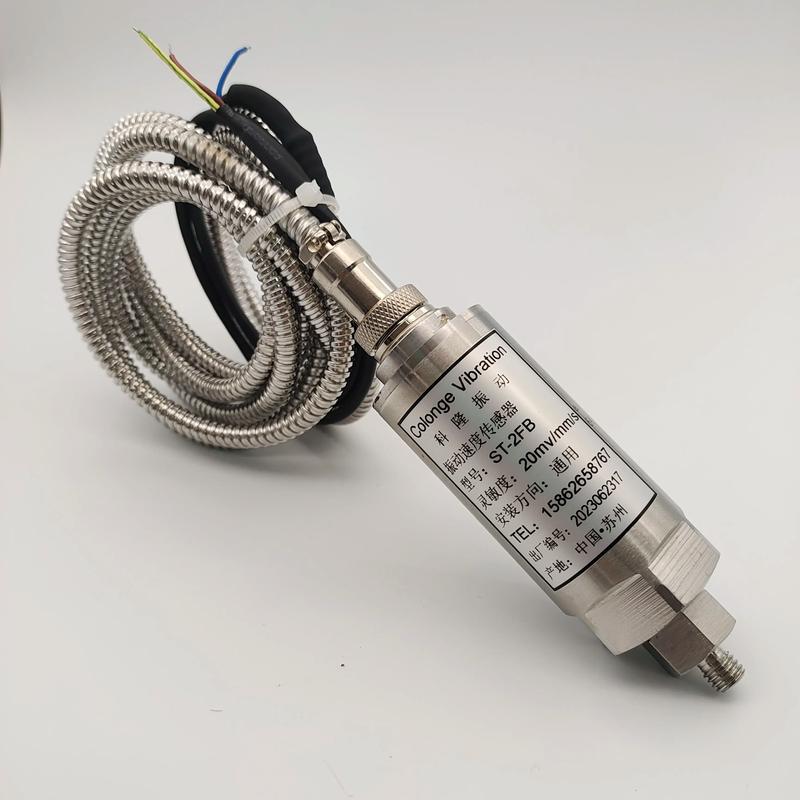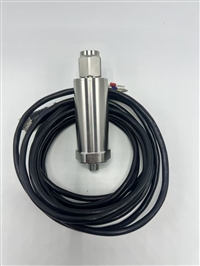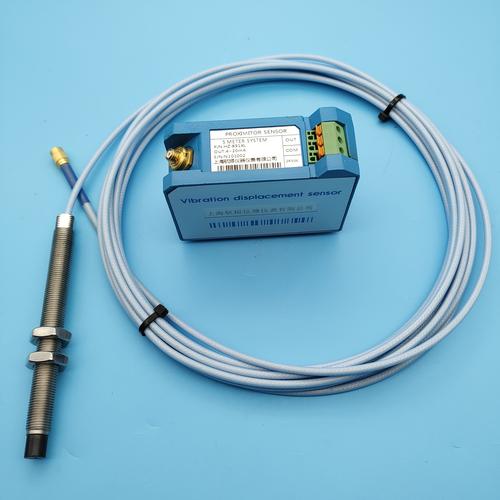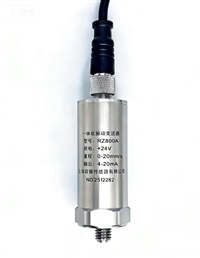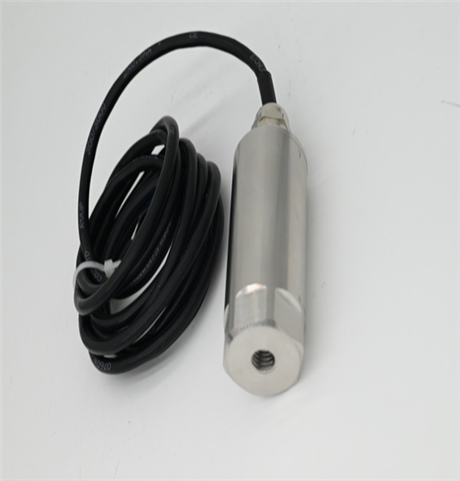

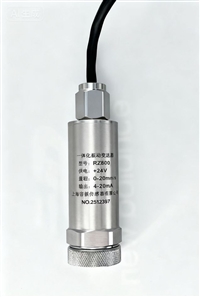
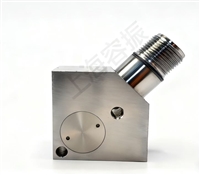
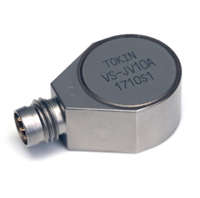
YSD-5 integrated vibration transmitter industrial equipment status monitoring 4-20mA output
Category:
Instrumentation/transmitter /Other transmitters
Model:
YSD-5
Brand:
Rongzhen
measurement range:
0-20mm/s (optional)
output signal:
4-20mA
power supply voltage:
DC 9-30V
frequency response:
10-1000Hz
Protection level:
IP65
Operating Temperature:
-40℃~+85℃
Installation method:
M10 thread fixation
Shell material:
stainless steel
Retail Price
10,000,000.00USD
重量
kg
- Product Description
-
measurement range 0-20mm/s (optional)
output signal 4-20mA
power supply voltage DC 9-30V
frequency response 10-1000Hz
Protection level IP65
Operating Temperature -40℃~+85℃
Installation method M10 thread fixation
Shell material stainless steel
Description :
The YSD-5 integrated vibration transmitter is an industrial monitoring instrument that integrates vibration sensors and signal processing circuits. It is mainly used for monitoring the vibration intensity of rotating machinery such as motors, fans, pumps, and compressors. It is directly installed on the surface of the device under test, collects real-time vibration velocity or acceleration signals, and converts them into standard 4-20mA current signals for output, solving the problems of complex wiring and signal interference in traditional separated sensors. This integrated vibration transmitter is suitable for status monitoring and fault warning of various large and medium-sized rotating equipment, helping factories to transition from regular maintenance to predictive maintenance, effectively reducing the risk of unplanned downtime, and ensuring production continuity and equipment safety.
The YSD-5 integrated vibration transmitter is usually enclosed in a stainless steel shell, which has good sealing and corrosion resistance. The protection level generally reaches IP65 or above, and it is suitable for harsh industrial environments. Its core sensitive components mostly use piezoelectric acceleration sensors, which integrate precision signal conditioning circuits internally and support two-wire 4-20mA standard signal output. It has a long transmission distance and strong anti-interference ability. The typical measurement frequency range covers 10Hz to 1000Hz, meeting the vibration monitoring needs of most rotating machinery. The working temperature range is usually between -40 ℃ and+85 ℃, and the power supply voltage is generally DC9-30V. This product meets the requirements of national standards such as GB/T 6075.1 for mechanical vibration assessment, ensuring the accuracy and consistency of measurement data, and facilitating centralized monitoring by connecting to DCS or PLC systems.
When selecting the YSD-5 integrated vibration transmitter, it is necessary to clarify the vibration type (velocity or acceleration) of the monitored object, the installation method (threaded connection or magnetic seat), and the output signal range. For large low-speed equipment with high low-frequency vibration, it is recommended to choose speed type output; For high-speed equipment with obvious high-frequency impact signals, acceleration type is more suitable. It should be noted that this integrated vibration transmitter is mainly suitable for monitoring the vibration of rigidly connected equipment shells and is not suitable for micro vibration measurement of flexible structures or non rotating components. If there is strong electromagnetic interference or extremely high temperature environment on site, it is necessary to confirm the electromagnetic compatibility index and temperature resistance limit of the specific model. If necessary, protective sleeves should be installed or special customized models should be selected to ensure long-term stable operation.
When installing the YSD-5 integrated vibration transmitter, it is necessary to ensure that the surface of the measuring point is flat and smooth, remove paint and rust, and ensure good contact between the sensor and the equipment housing. M10 or M8 screws are usually used for fastening. When wiring, it is necessary to strictly distinguish between the positive and negative poles of the power supply to avoid damaging the internal circuit due to reverse connection. In daily maintenance, cable joints should be regularly checked for looseness and damage to prevent rainwater from seeping in and causing short circuits. Common faults include zero or large fluctuations in the output signal, often caused by broken wiring, poor contact, or failure of internal components of the sensor. A preliminary judgment can be made by measuring the circuit current with a multimeter. It is recommended to conduct a calibration check once a year to ensure that the measurement accuracy of the integrated vibration transmitter meets the process control requirements and extends the service life of the equipment.
AfterSalesService :
Key words:
More Products