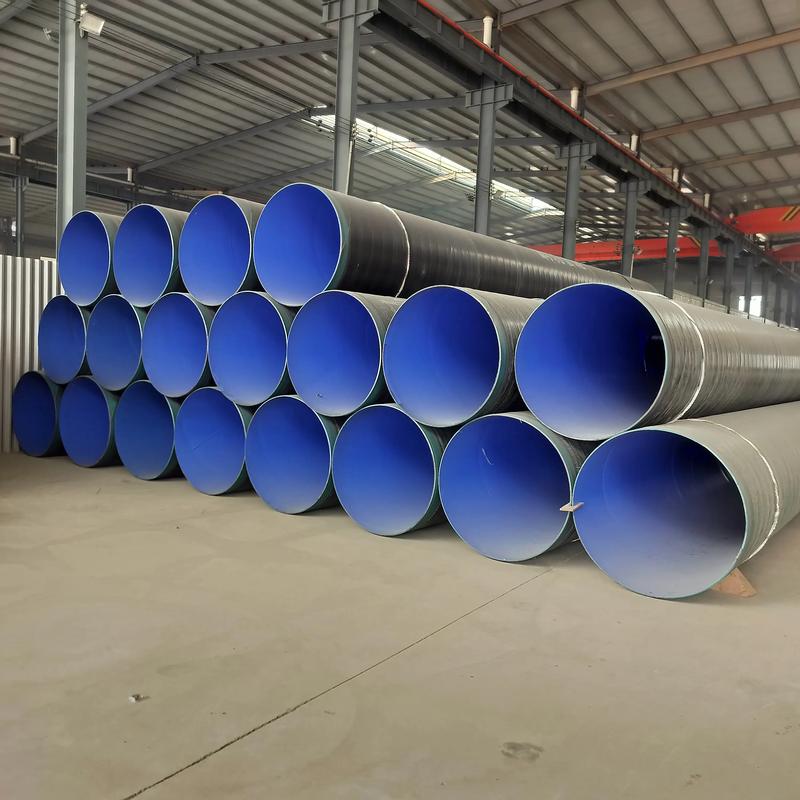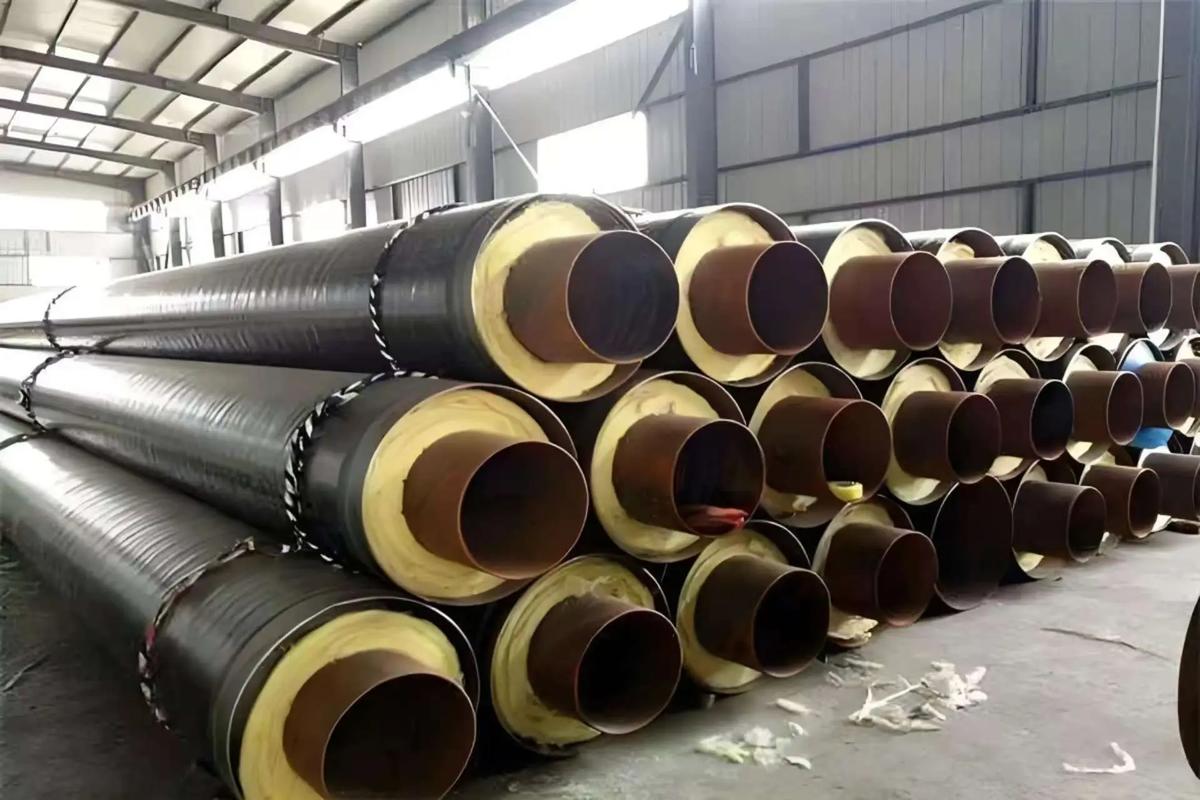
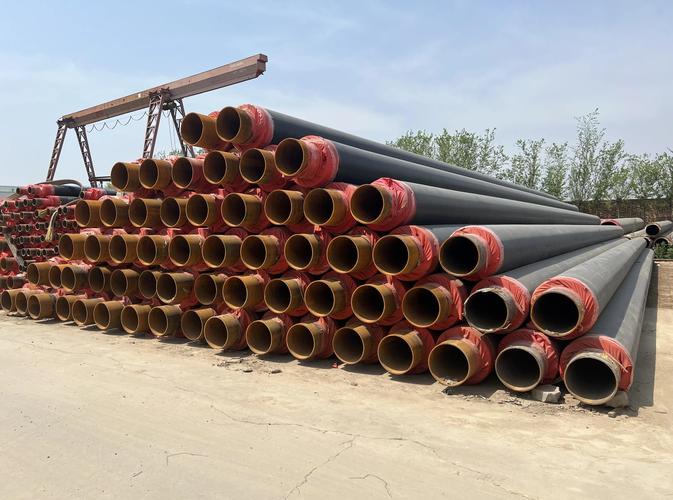

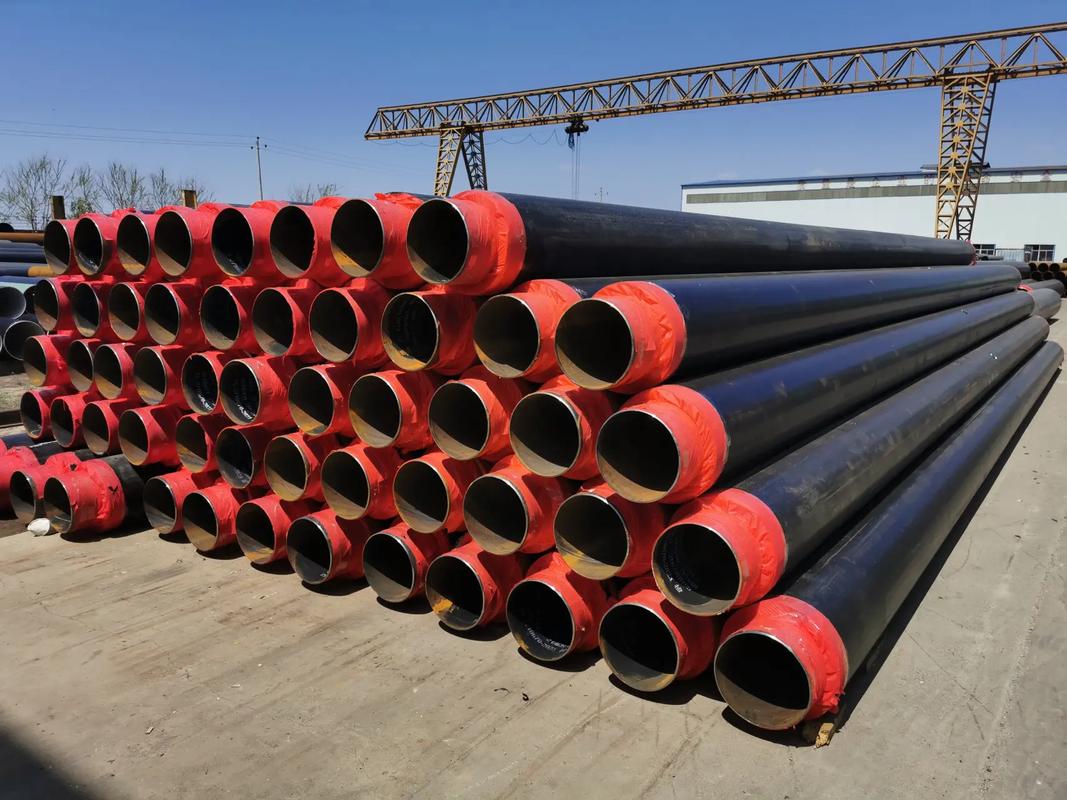
Polyurethane buried insulation pipeline, high-density polyethylene outer protective pipe, dedicated for centralized heating
Category:
building materials/Waterproof and fireproof functional materials/Insulation materials
Model:
customization
Brand:
Hebei Yigang
Material of working steel pipe:
Q235B/20 # seamless steel pipe
Insulation layer material:
Rigid polyurethane foam
Outer protective tube material:
High density polyethylene (HDPE)
thermal conductivity:
≤0.033W/(m·K)
closed porosity:
≥90%
Applicable medium temperature:
-50℃~140℃
execution standard:
GB/T 29047
connection method:
Welding/flange connection
corrosion resistance grade:
Ordinary level/Enhanced level
Retail Price
10,000,000.00USD
重量
kg
- Product Description
-
Material of working steel pipe Q235B/20 # seamless steel pipe
Insulation layer material Rigid polyurethane foam
Outer protective tube material High density polyethylene (HDPE)
thermal conductivity ≤0.033W/(m·K)
closed porosity ≥90%
Applicable medium temperature -50℃~140℃
execution standard GB/T 29047
connection method Welding/flange connection
corrosion resistance grade Ordinary level/Enhanced level
Description :
Polyurethane buried insulation pipeline is an efficient and energy-saving pipe designed specifically for underground direct laying, mainly used to solve the heat loss problem in urban centralized heating, cooling, and industrial fluid transportation processes. The pipeline is composed of working steel pipe, polyurethane rigid foam plastic insulation layer and high-density polyethylene outer protective pipe, forming a "trinity" structure system. This structure not only has excellent insulation performance, which can effectively reduce the energy consumption of the heating network operation, but also has good waterproof and anti-corrosion capabilities, adapting to various complex soil environments. Typical working conditions include residential heating pipelines, factory steam transportation, and long-distance thermal trunk lines, which can significantly extend the service life of pipelines and reduce maintenance costs. They are the core materials in modern thermal engineering construction.
In terms of specifications and processes, polyurethane buried insulation pipelines are strictly produced in accordance with relevant national standards. The working steel pipe is usually made of seamless steel pipe or spiral welded steel pipe, and the material is mostly Q235B or 20 # steel to ensure the pressure bearing capacity; The insulation layer adopts high-pressure foaming technology to inject polyurethane raw materials, with a closed cell rate of over 90% and a low thermal conductivity, generally between 0.024-0.033W/(m · K); The outer protective pipe is made of high-density polyethylene (HDPE), which has good mechanical strength and aging resistance. Common executive standards include GB/T 29047 High Density Polyethylene External Protection Pipe Rigid Polyurethane Foam Prefabricated Directly Buried Thermal Insulation Pipe, etc. During the production process, electric spark leak detection, insulation layer density testing, and compressive strength inspection are required to ensure that each polyurethane buried insulation pipeline meets the engineering quality requirements.
When selecting, specific parameters should be determined based on the temperature, pressure, and burial depth conditions of the conveying medium. For high-temperature hot water or steam media, it is necessary to choose a high-temperature resistant polyurethane formula or use a steel sleeve steel composite structure, while for ordinary low-temperature hot water pipelines, standard polyurethane buried insulation pipelines can be used. Applicable scenarios include areas with high groundwater levels and strong soil corrosiveness, as their protective pipes have excellent anti-seepage and anti-corrosion properties. Not suitable for exposed overhead laying or areas subjected to strong mechanical impact. If overhead use is required, protective sleeves should be installed or replaced with overhead insulation structures. Compared with traditional rock wool or glass wool insulation, polyurethane buried insulation pipelines have significant advantages in construction efficiency, insulation effect, and overall service life, and are the preferred solution for direct burial laying.
During installation and maintenance, it is crucial to handle the connection parts of polyurethane buried insulation pipelines. After welding is completed, on-site foam insulation should be carried out at the interface to ensure good sealing and prevent groundwater infiltration from damaging the insulation layer. In daily use, the heat loss of the pipeline network and the integrity of the outer protective pipe should be regularly monitored. Once local temperature anomalies or ground subsidence are found, they should be promptly investigated. Common faults include an increase in thermal conductivity due to moisture in the insulation layer, and corrosion caused by damage to the outer protective pipe. Therefore, it is recommended to avoid direct contact between sharp stones and the pipe body during backfilling. Reasonable design and standardized construction can ensure the safe operation of polyurethane buried insulation pipelines for more than 30 years, without the need for large-scale maintenance, greatly reducing the operating costs throughout the entire lifecycle.
AfterSalesService :
Key words:
More Products