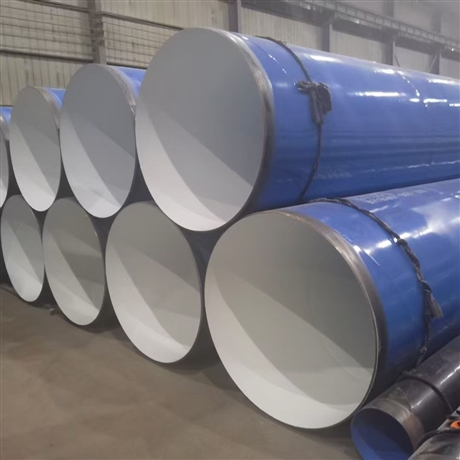

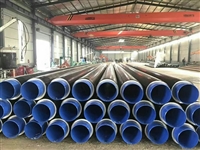
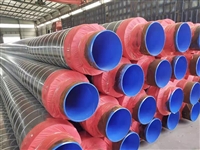
Hebei Yigang Drinking Water Pipeline Sanitary Grade Water Transfer Pipe Material Corrosion resistant and Pressure resistant Water Supply System Special
Category:
Rubber and plastic/Plastic pipe fittings/Sewage pipe
Model:
customization
Brand:
Hebei Yigang
Applicable Medium:
drinking water
execution standard:
GB/T 17219, GB/T 13663
connection method:
Hot melt/electric melt/flange/crimping
work pressure:
PN1.0-PN2.5 MPa
Common materials:
PPR/PE/stainless steel/ductile iron
Hygiene performance:
Non toxic, odorless, and free from heavy metal precipitation
Applicable Temperature:
-20 ℃ to 70 ℃ (depending on the material)
Pipeline color:
White/Green/Blue/Black
Retail Price
10,000,000.00USD
重量
kg
- Product Description
-
Applicable Medium drinking water
execution standard GB/T 17219, GB/T 13663
connection method Hot melt/electric melt/flange/crimping
work pressure PN1.0-PN2.5 MPa
Common materials PPR/PE/stainless steel/ductile iron
Hygiene performance Non toxic, odorless, and free from heavy metal precipitation
Applicable Temperature -20 ℃ to 70 ℃ (depending on the material)
Pipeline color White/Green/Blue/Black
Description :
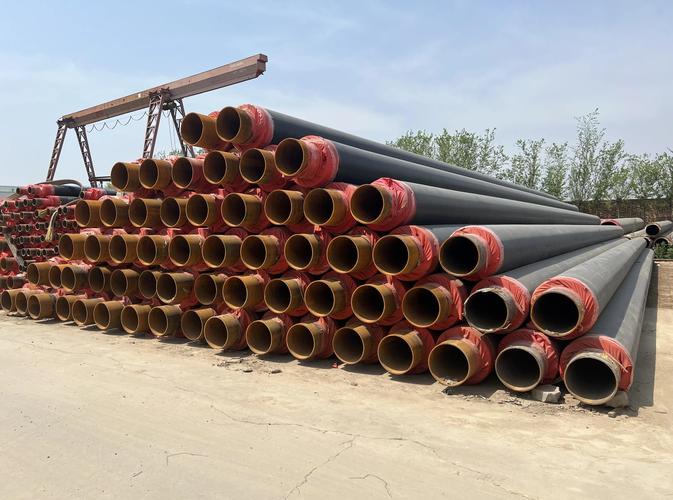
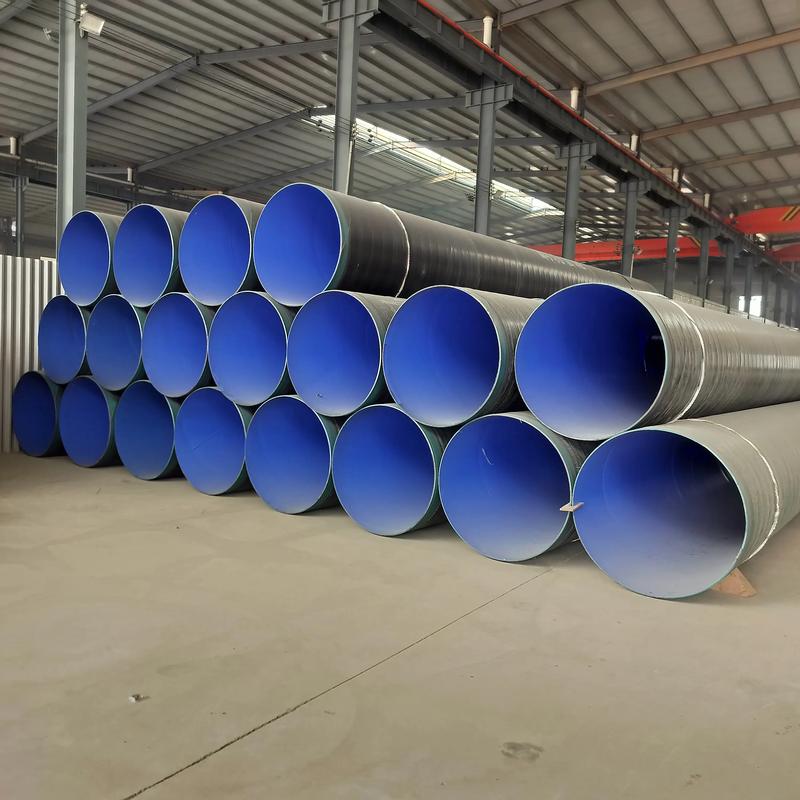
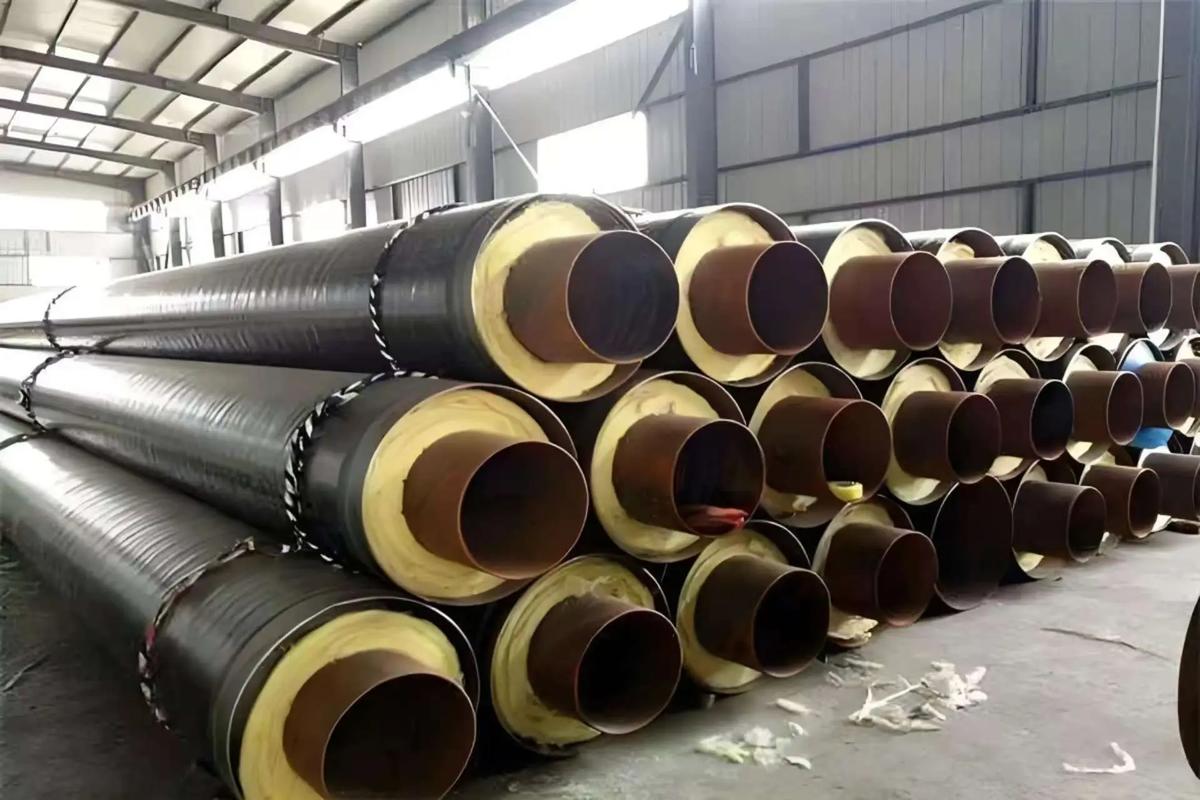
Drinking water pipeline is a specialized pipe system used to transport drinking water for daily life, which solves problems such as secondary water pollution, pipeline corrosion and leakage, and insufficient pressure. This type of product is widely used in municipal water supply networks, secondary water supply in residential areas, safe drinking water projects in rural areas, and water supply systems for public facilities such as schools and hospitals. As a closed fluid transport channel, drinking water pipelines must have extremely high chemical stability to ensure that harmful substances do not precipitate during long-term contact with water flow, and can withstand the static pressure and water hammer impact generated by daily water supply, ensuring the safety and continuity of residents' water use. It is an indispensable key component of modern urban infrastructure.
In terms of specifications and materials, common drinking water pipes include PPR pipes, PE water supply pipes, stainless steel pipes, and ductile iron pipes. The implementation standards usually cover a series of national standards such as GB/T 17219 "Safety Evaluation Standards for Drinking Water Transmission and Distribution Equipment and Protective Materials" and GB/T 13663. The pipes need to undergo strict hygiene performance testing to ensure that there is no lead, cadmium or other heavy metal precipitation. The process requires a smooth and flat inner wall with a low roughness coefficient to reduce water flow resistance and prevent bacterial growth. The outer diameter size ranges from DN20 to DN1200, and the wall thickness is designed according to the pressure level (such as PN1.0, PN1.6, PN2.5). Some high-end products also have antibacterial coatings or oxygen barrier layers to meet the pressure resistance and hygiene needs under different working conditions.
When selecting, it is important to distinguish between the use of hot and cold water and whether they are buried underground or not. PPR pipes are suitable for indoor exposed or concealed hot and cold water systems, with high reliability in hot melt connections but not UV resistance; PE water supply pipes have good toughness and low temperature resistance, suitable for outdoor buried laying, especially in irregular terrain, but have poor heat resistance; Stainless steel pipes have high strength and long service life, suitable for high-end buildings or direct drinking systems with extremely high water quality requirements, but the cost is relatively high. If it is a municipal backbone network, ductile iron pipes or large-diameter PE pipes are often selected. The purchaser should note that it is strictly prohibited to mix non drinking water pipes (such as ordinary PVC drainage pipes) with the drinking water system, and special transition joints should be used for connecting pipes of different materials to avoid interface leakage due to differences in thermal expansion coefficients.
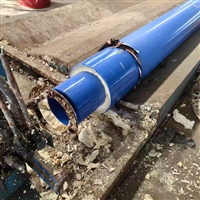
Before installing the drinking water pipeline, the trench foundation needs to be treated to ensure that there are no sharp stones damaging the pipe wall. When using hot melt or electric melt connections, it is necessary to strictly control the heating time and temperature to avoid virtual welding or excessive melting that can cause a reduction in the diameter. After the construction is completed, a water pressure test must be conducted, with a test pressure usually 1.5 times the working pressure. Only after the pressure is stabilized and qualified can flushing and disinfection be carried out until the effluent quality meets the "Sanitary Standards for Drinking Water". In daily maintenance, it is necessary to regularly check the stability of the exposed pipeline supports and the leakage situation inside the valve well. Insulation and anti freezing measures should be taken in cold areas in winter. For buried pipelines, it is recommended to establish a pipeline network file to record the direction and burial depth, in order to accurately locate them during subsequent maintenance and excavation, and reduce the risk of damage caused by blind construction.
AfterSalesService :
17832478555Key words:
More Products