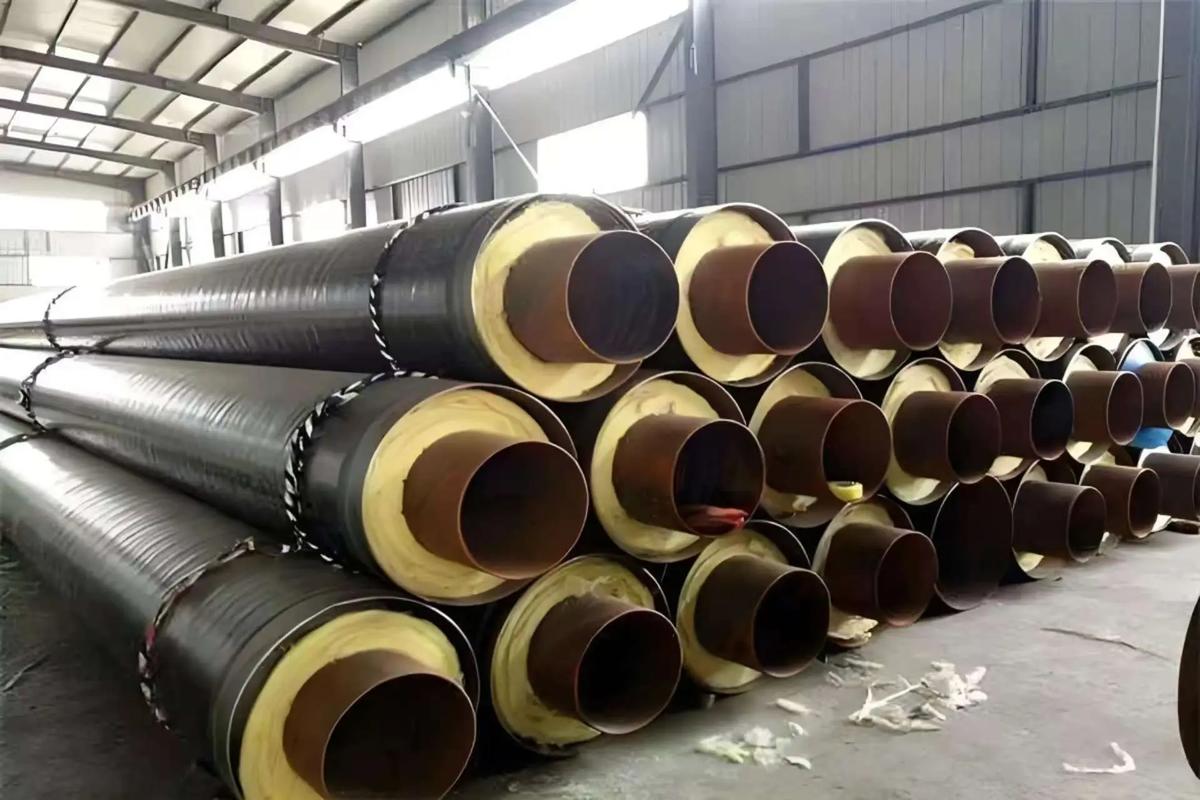

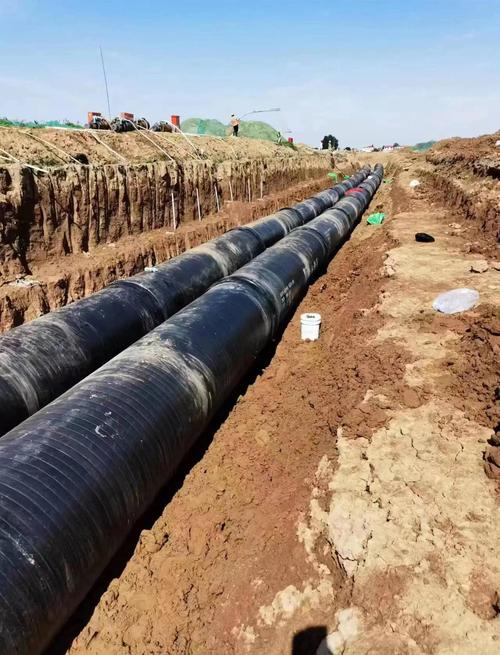
R-type PERT direct buried insulation pipe for high-temperature and corrosion-resistant centralized heating pipeline network
Category:
building materials/Waterproof and fireproof functional materials/Insulation materials
Model:
R-type
Brand:
Yigang
Work management material:
PERT-II heat-resistant polyethylene
Insulation layer material:
Rigid polyurethane foam
Material of outer protective tube:
High density polyethylene (HDPE)
thermal conductivity:
≤0.033W/(m·K)
Long term use temperature:
70℃-95℃
Density of insulation layer:
≥60kg/m³
connection method:
Electric fusion connection/hot melt docking
Applicable pressure level:
PN1.6MPa/PN2.0MPa
execution standard:
CJ/T 480-2015
Retail Price
10,000,000.00USD
重量
kg
- Product Description
-
Work management material PERT-II heat-resistant polyethylene
Insulation layer material Rigid polyurethane foam
Material of outer protective tube High density polyethylene (HDPE)
thermal conductivity ≤0.033W/(m·K)
Long term use temperature 70℃-95℃
Density of insulation layer ≥60kg/m³
connection method Electric fusion connection/hot melt docking
Applicable pressure level PN1.6MPa/PN2.0MPa
execution standard CJ/T 480-2015
Description :
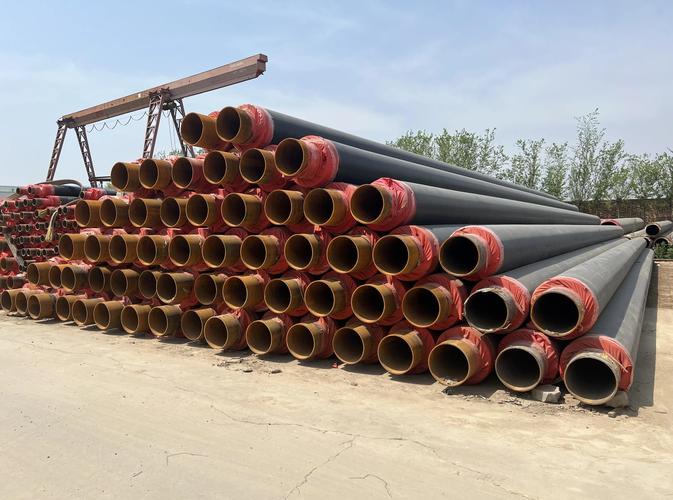
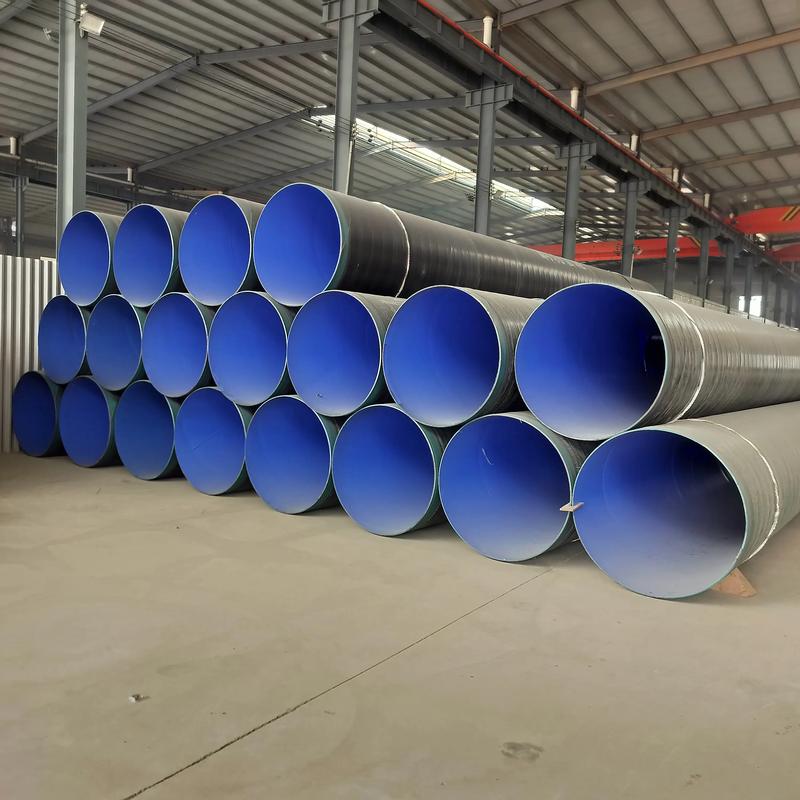
R-type PERT buried insulation pipe is an efficient thermal transmission pipeline system designed specifically for underground buried installation. It mainly consists of three parts: the inner working pipe, the middle insulation layer, and the outer protective pipe, which solves the problems of large land occupation, high heat loss, and long construction period in traditional overhead or trench laying. This category is particularly suitable for centralized heating, central air conditioning cold and hot water transportation, and industrial fluid insulation scenarios. R-type structure usually refers to its connection method or specific structural reinforcement design, combined with PERT (heat-resistant polyethylene) inner pipe, which has excellent heat resistance and flexibility, and can maintain stable physical properties under long-term high temperature and high pressure conditions, ensuring the safe operation and energy-saving effect of the thermal network.
The working tube of this product is made of PERT-II heat-resistant polyethylene material, which has excellent resistance to crack growth and slow crack growth. The long-term use temperature can reach 70 ℃ -95 ℃. The insulation layer is usually made of high-density polyurethane foam, with low thermal conductivity (≤ 0.033W/(m · K)) and high porosity, which can effectively isolate heat loss and prevent moisture penetration. High density polyethylene (HDPE) or glass fiber reinforced plastic (FRP) is mostly used as the external protection pipe, which has strong corrosion resistance, aging resistance and mechanical protection capabilities. The implementation standards usually refer to relevant national standards such as CJ/T 480-2015 "Prefabricated Buried Insulation Pipes" or GB/T 29047, to ensure that the product meets the engineering acceptance requirements in terms of compressive strength, insulation performance, and sealing.
When selecting, it is necessary to clearly distinguish the differences between PERT buried pipes and traditional steel sleeve steel or ordinary PPR insulation pipes. R-type PERT buried insulation pipe is more suitable for small and medium-sized, medium and low temperature heating pipe networks, especially for road sections with complex terrain and a certain bending radius. Due to its good flexibility, it can reduce the use of bends and lower the risk of leakage. Not suitable for ultra-high temperature steam transportation (over 110 ℃) or extreme high pressure environments. When purchasing, special attention should be paid to the inner pipe wall thickness grade (such as S5/S4 series), insulation layer density (≥ 60kg/m ³), and the blackness and tensile strength of the outer protective pipe. If the working conditions involve frequent thermal expansion and contraction, it is recommended to verify the compensation capacity of the pipeline and use it in conjunction with a corrugated compensator if necessary to avoid stress concentration causing pipeline deformation.
During the installation process, electric fusion connection or hot melt docking should be used to ensure that the interface strength is not lower than that of the pipe body, and direct baking with open flames is strictly prohibited. When laying directly, a fine sand cushion layer should be laid at the bottom of the trench to avoid sharp stones scratching the outer protective pipe. The backfill soil should be compacted layer by layer to prevent ground settlement from causing shear force on the pipeline. The focus of daily maintenance is to monitor pressure fluctuations in the pipeline network and the temperature difference between the inlet and outlet of the heat exchange station, and regularly check the status of valves and compensators in the well. Common faults are often interface leakage or damage to the outer protective pipe causing water ingress. Once the insulation layer is found to be absorbing water, local excavation repair or grouting treatment should be carried out in a timely manner to prevent corrosion from spreading and affecting the overall service life of the pipeline network, ensuring the long-term stable operation of the heating system.
AfterSalesService :
17832478555Key words:
More Products