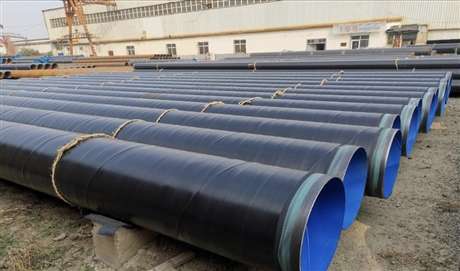

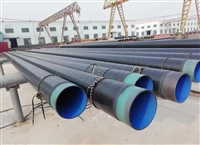
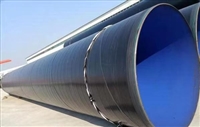
TPEP anti-corrosion composite steel pipe coated with epoxy resin inside and outside for water supply, drainage and fire protection
Category:
building materials/Construction and building materials pipes/Composite tube
Model:
customization
Brand:
Yigang
nominal diameter:
DN50-DN2000
work pressure:
≤2.5MPa
External anti-corrosion coating:
Three layer polyethylene (3PE)
Internal anti-corrosion layer:
Epoxy resin coating
Substrate Type:
Seamless steel pipe/spiral welded pipe
connection method:
Groove/flange/welding
Applicable Medium:
Cold water/non corrosive liquid
execution standard:
CJ/T 120-2016
Retail Price
10,000,000.00USD
重量
kg
- Product Description
-
nominal diameter DN50-DN2000
work pressure ≤2.5MPa
External anti-corrosion coating Three layer polyethylene (3PE)
Internal anti-corrosion layer Epoxy resin coating
Substrate Type Seamless steel pipe/spiral welded pipe
connection method Groove/flange/welding
Applicable Medium Cold water/non corrosive liquid
execution standard CJ/T 120-2016
Description :
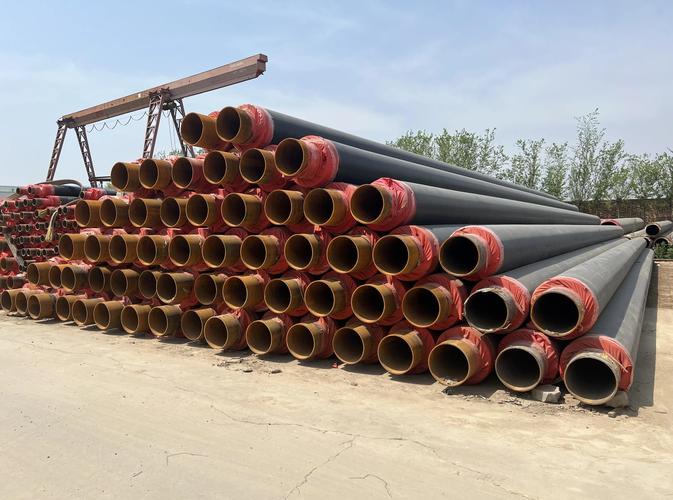
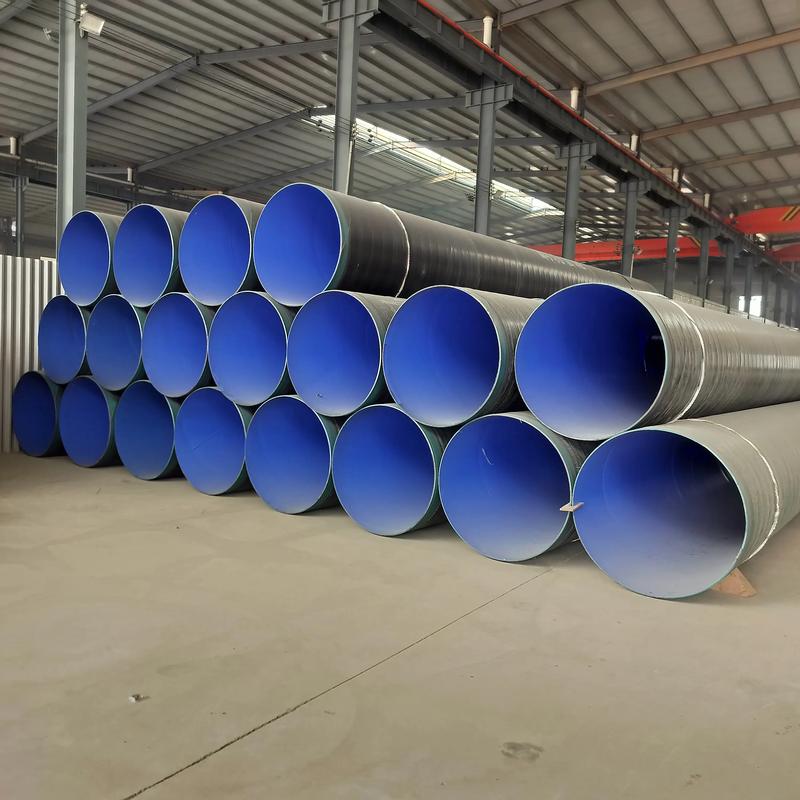
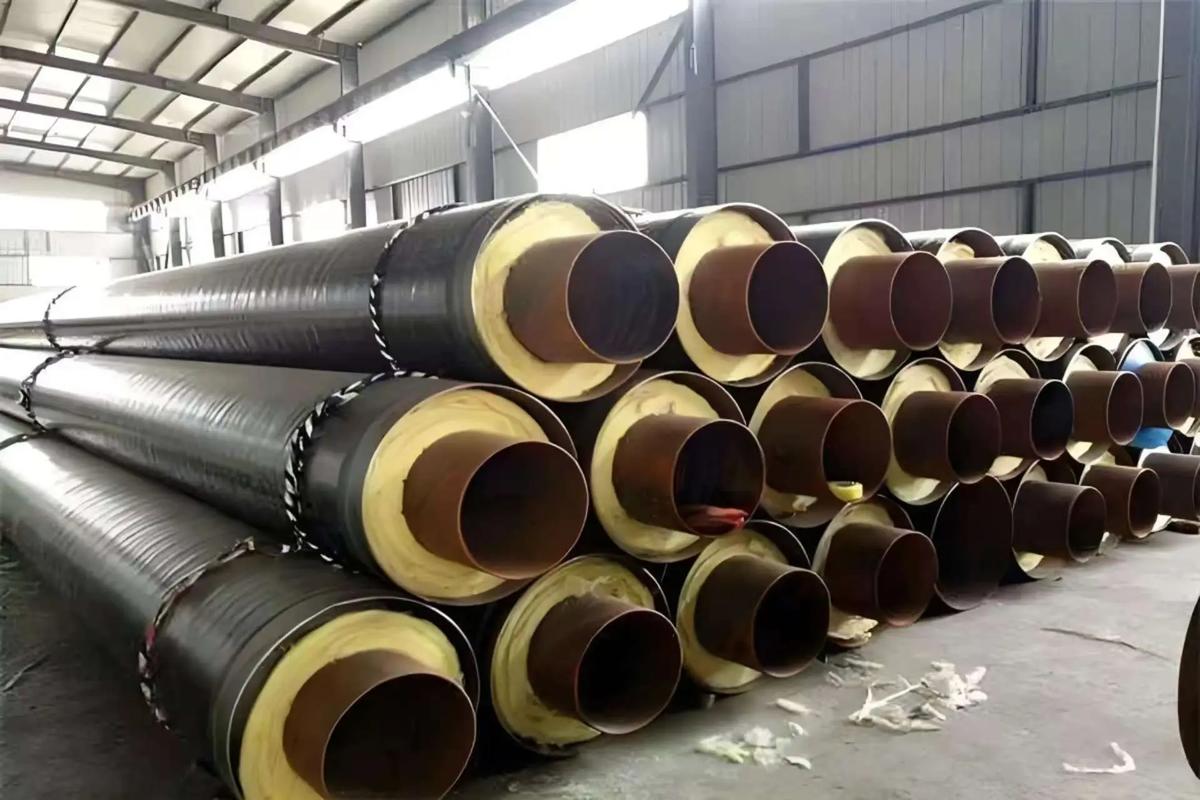
TPEP composite steel pipe is a steel plastic composite pipe that adopts a dual protection process of three-layer polyethylene (3PE) external anti-corrosion and epoxy resin internal coating. It effectively solves the problems of corrosion and scaling of traditional steel pipes, as well as low strength and poor temperature resistance of pure plastic pipes. It is particularly suitable for long-distance water supply, municipal water supply and drainage, and fire water supply systems that require high corrosion resistance and pressure bearing capacity. This pipe combines the high mechanical strength of steel pipes with the excellent chemical stability of plastic pipes, ensuring the safety and durability of fluid transportation. It is an ideal choice to replace traditional galvanized pipes and ordinary steel pipes in modern pipeline construction.
The substrate of TPEP composite steel pipe is usually selected from high-quality seamless steel pipe or spiral seam submerged arc welded steel pipe, with an outer diameter range covering various specifications such as DN50 to DN2000, and the wall thickness strictly follows GB/T 3091 or SY/T 5037 standards according to the pressure level. The outer 3PE anti-corrosion layer consists of an epoxy powder base layer, an adhesive intermediate layer, and a polyethylene surface layer, with a total thickness usually not less than 2.0mm, and has extremely strong impact resistance and soil stress resistance; The thickness of the inner epoxy resin coating is generally between 0.3mm-0.5mm, with a smooth and flat surface and low friction coefficient. The product complies with relevant industry standards such as CJ/T 120-2016 "Water supply coated composite steel pipe", and has passed water pressure test, bending test, and adhesion test to ensure that all physical and chemical indicators meet the engineering acceptance specifications.
When selecting, it is necessary to choose based on the pressure level, medium temperature, and burial environment of the actual working conditions. TPEP composite steel pipes are suitable for cold water transportation systems with working pressure ≤ 2.5MPa and medium temperature ≤ 60 ℃. If used for hot water or special chemical media, the temperature resistance level of the inner coating material needs to be confirmed. Compared with ordinary lined plastic steel pipes, TPEP technology has stronger adhesion and is less prone to delamination; Compared with ductile iron pipes, it is lighter in weight, easier to install, with smoother inner walls and better hydraulic conditions. For areas with strong acidic and alkaline soil environments or high groundwater levels, it is recommended to thicken the external anti-corrosion layer or adopt cathodic protection auxiliary measures to extend the service life of the pipeline network.
When installing TPEP composite steel pipes, it is recommended to use groove type clamp connections, flange connections, or secondary anti-corrosion treatment after welding. It is strictly prohibited to directly weld on the inner coating to avoid damaging the anti-corrosion layer. During transportation, severe collisions and sharp objects should be avoided from scratching the coating. When stacking, cork blocks should be placed and the stacking height should be controlled. In daily maintenance, it is necessary to regularly check the integrity of the coating on the exposed parts of the pipeline. If any damage is found, special repair materials should be used in a timely manner for repair. After long-term operation, if the flow rate decreases, possible trace deposits can be removed through conventional cleaning methods. Due to its smooth inner wall, it is usually not easy to scale and the maintenance cost is much lower than traditional metal pipelines.
AfterSalesService :
17832478555Key words:
More Products