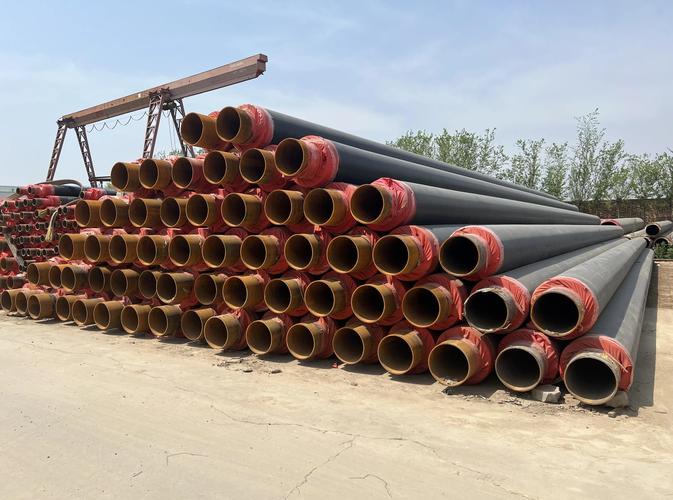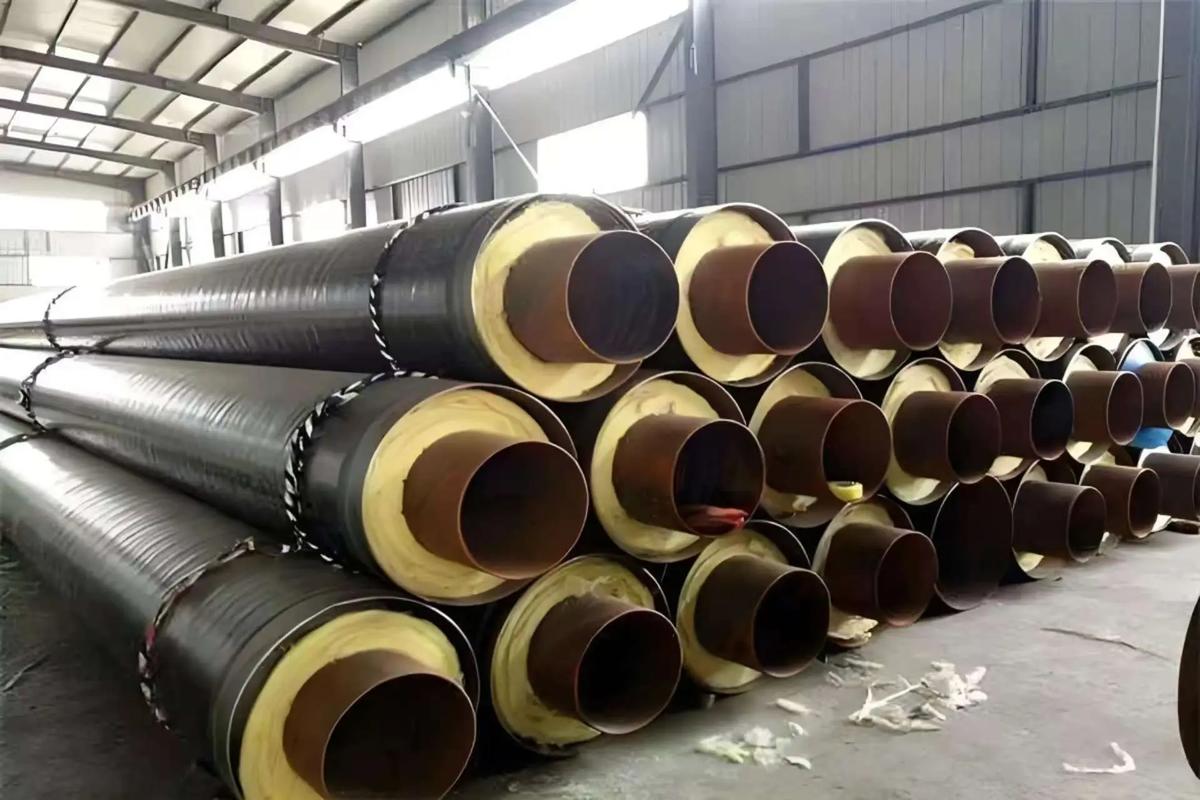
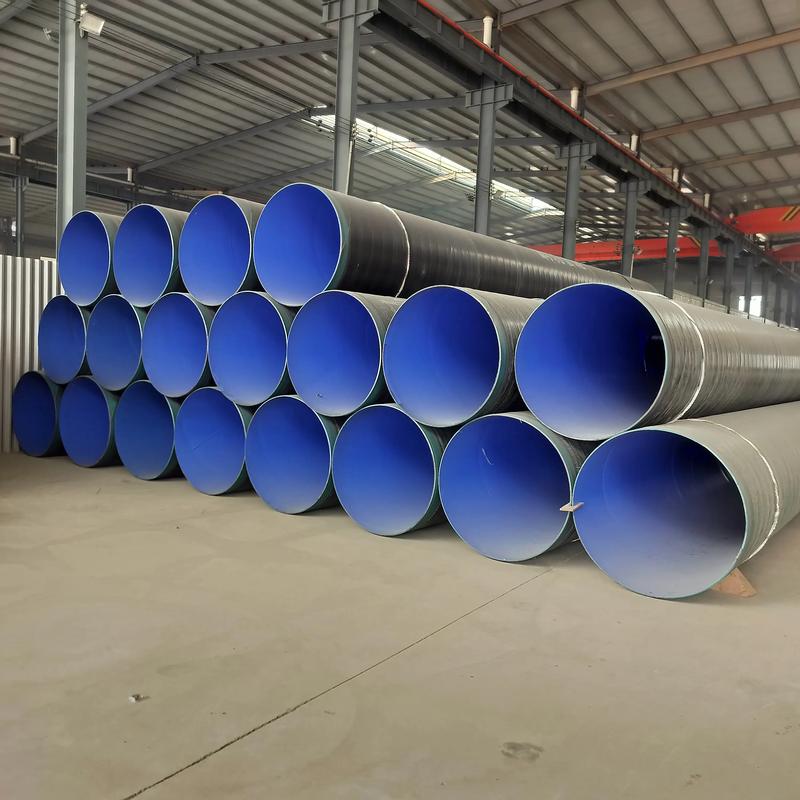

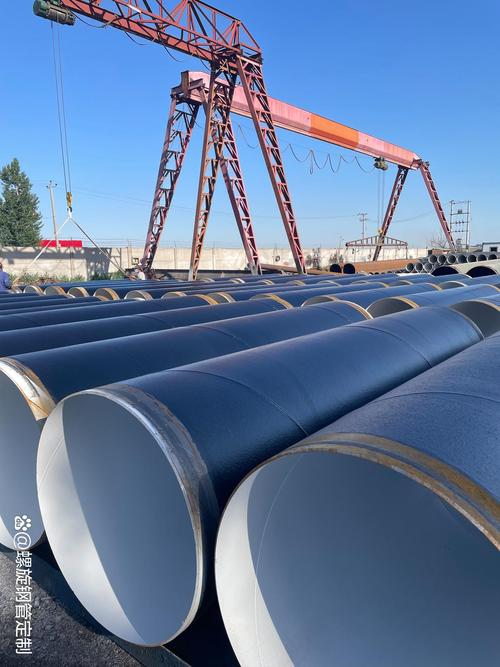
The three cloth and five oil process for epoxy coal tar anti-corrosion steel pipes is suitable for underground pipeline anti-corrosion engineering
Category:
fine chemicals /Coatings, Paints/Epoxy coal tar asphalt anti-corrosion paint
Model:
customization
Brand:
Hebei Yigang
anti-corrosion process:
Three fabrics and five oils
corrosion resistance grade:
Specially enhanced level
coating thickness:
≥0.6mm
execution standard:
SY/T 0447-2014
Withstand Voltage:
≥5000V
Applicable Temperature:
-20℃~110℃
surface treatment:
Sandblasting rust removal Sa2.5 level
main ingredients:
Epoxy resin+coal tar pitch+glass fiber cloth
Retail Price
10,000,000.00USD
重量
kg
- Product Description
-
anti-corrosion process Three fabrics and five oils
corrosion resistance grade Specially enhanced level
coating thickness ≥0.6mm
execution standard SY/T 0447-2014
Withstand Voltage ≥5000V
Applicable Temperature -20℃~110℃
surface treatment Sandblasting rust removal Sa2.5 level
main ingredients Epoxy resin+coal tar pitch+glass fiber cloth
Description :
Epoxy coal tar anti-corrosion steel pipe is a metal pipeline protection product designed specifically for underground or underwater environments, mainly to solve the electrochemical corrosion problems of soil, groundwater, and stray currents on steel pipes. This product forms a dense insulation and anti-corrosion layer through a composite structure of epoxy coal tar coating and glass fiber cloth. It is widely used in underground laying conditions of urban water supply, drainage, oil, natural gas, and chemical pipelines, which can effectively extend the service life of pipelines and reduce maintenance costs.
The core process of this product is "three cloths and five oils", which means that after applying primer on the surface of the steel pipe, it is wrapped with three layers of glass fiber cloth and coated with five layers of epoxy coal tar surface paint, forming a reinforced anti-corrosion layer with a thickness usually greater than 0.6mm. The implementation standard refers to SY/T 0447-2014 "Technical Standard for Epoxy Coal Tar Anti corrosion Coating of Buried Steel Pipelines", and the anti-corrosion level can reach the extra strong level. The material has excellent acid and alkali resistance, salt water resistance, strong adhesion, hard coating after curing, and good electrical insulation. It has high volume resistivity and can withstand certain cathodic stripping tests.
When selecting, the anti-corrosion layer structure should be determined based on the soil corrosion level and pipeline operating pressure. Ordinary grade is suitable for general soil, reinforced grade is suitable for highly corrosive soil, and special reinforced grade (such as three cloth and five oil) is suitable for highly corrosive environments or road sections. Compared with ordinary 3PE anti-corrosion steel pipes, epoxy coal tar anti-corrosion steel pipes have lower costs, are easy to construct and repair, but have relatively longer curing times and certain requirements for construction environment temperature and humidity, making them unsuitable for high-temperature transportation media (usually below 110 ℃).
Before installation, sandblasting and rust removal should be carried out on the surface of the steel pipe to meet the Sa2.5 standard, ensuring no oil stains or dust. Attention should be paid to the overlap width during on-site joint patching to ensure the continuity of the anti-corrosion layer. Regular detection of pipeline potential and monitoring of damage to anti-corrosion coating should be carried out during daily maintenance. Common faults include pitting caused by mechanical damage to the coating. If damage is found, it should be repaired in a timely manner using matching repair materials to avoid corrosion spreading and affecting the overall safety of the pipeline.
AfterSalesService :
Key words:
More Products