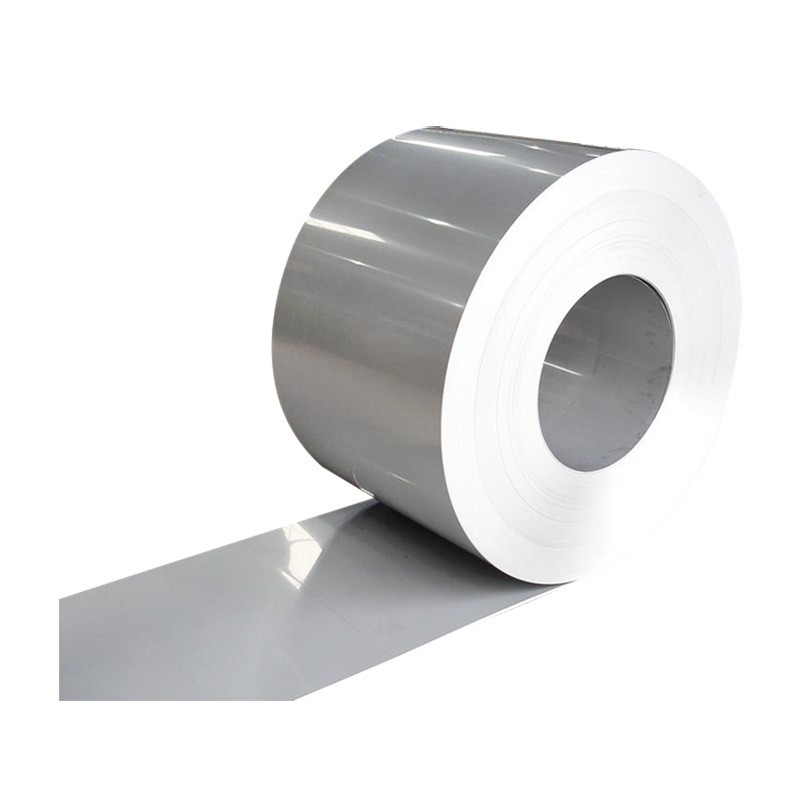

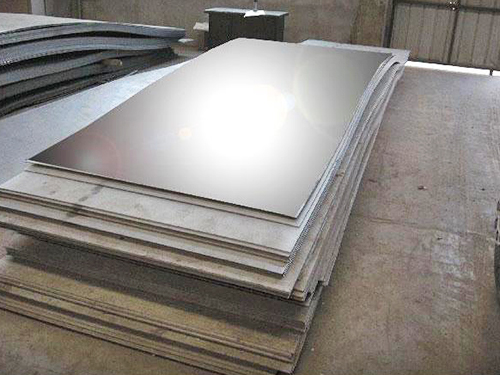
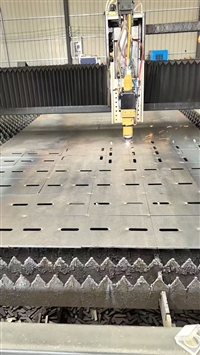
201/304/316L series stainless steel plate laser cutting custom processing, bending welding, customized according to drawings
Category:
metallurgy/Stainless steel material/Stainless steel plate
Model:
201/304/316L
Brand:
Jingze Metal
Material Grade:
201/304/316L
Surface Treatment:
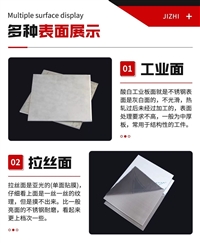
2B/BA/No.1/Drawing
Execution Standard:
GB/T 4237-2015
Common thickness:
0.3mm-50mm
Common Width:
1000mm/1219mm/1500mm
Processing method:
Cold/Hot Rolling
main ingredients:
Cr/Ni/Mo
Application Fields:
Chemical/Food/Construction/Machinery
Retail Price
10,000,000.00USD
重量
kg
- Product Description
-
Material Grade 201/304/316L
Surface Treatment 2B/BA/No.1/Drawing
Execution Standard GB/T 4237-2015
Common thickness 0.3mm-50mm
Common Width 1000mm/1219mm/1500mm
Processing method Cold/Hot Rolling
main ingredients Cr/Ni/Mo
Application Fields Chemical/Food/Construction/Machinery
Description :
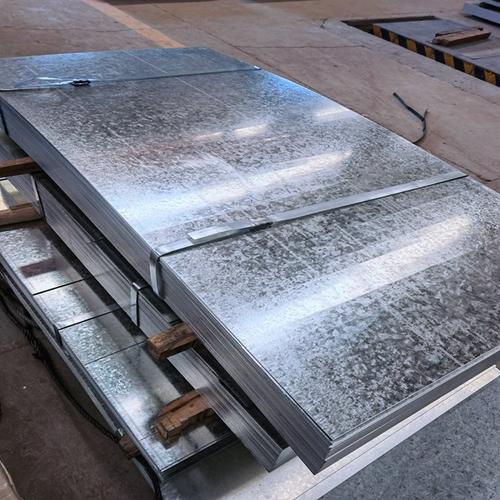
201/304/316L series stainless steel plates are key basic materials widely used in the fields of chemical, food, construction, and machinery manufacturing. This category mainly solves the problems of traditional carbon steel rusting and poor corrosion resistance. By adding alloy elements such as chromium and nickel, the stability of the material in humid, acidic and alkaline environments is significantly improved. Typical working conditions include outdoor building structural components, inner walls of food processing containers, chemical pipeline linings, and medical device casings. According to different material grades, their applicable boundaries are differentiated: the 201 series is suitable for dry indoor decoration or low corrosion environments; As a universal austenitic stainless steel, the 304 series is suitable for most conventional industrial scenarios; The 316L series, due to its molybdenum content, has superior resistance to pitting corrosion and is specifically designed for marine environments or contact with highly corrosive media. When purchasing, it is necessary to clarify the specific usage environment to match the appropriate grade of stainless steel plate, ensuring structural safety and service life.
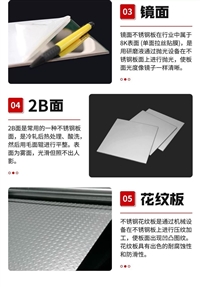
The specification parameters of stainless steel plates cover multiple dimensions such as thickness, width, length, and surface processing technology. The common thickness range is from 0.3mm to 50mm, and the standard width is usually 1000mm, 1219mm, or 1500mm. The length can be customized to 2000mm, 2438mm, or 6000mm according to the needs. The implementation standards mainly refer to GB/T 4237-2015 "Hot rolled Stainless Steel Plate and Strip" and GB/T 3280-2015 "Cold rolled Stainless Steel Plate and Strip". The surface treatment methods include 2B (cold rolling heat treatment pickling), BA (bright annealing), No.1 (hot rolling pickling), as well as decorative treatments such as wire drawing and mirror finish. In terms of material composition, 304 stainless steel plate requires a chromium content of 18% -20% and a nickel content of 8% -10.5%; The carbon content of 316L stainless steel plate should be controlled below 0.03%, and the molybdenum content should be 2% -3%. All stainless steel plates leaving the factory must undergo tensile testing, bending testing, and intergranular corrosion testing to ensure that their mechanical properties and corrosion resistance indicators meet national standards. For some high-end applications, material certificates and third-party testing reports are also required.
In the selection stage, it is important to distinguish the differences in application scenarios between the three mainstream materials, 201, 304, and 316L. 201 stainless steel plate has a high manganese content and low nickel content, with obvious cost advantages, but weak corrosion resistance. It is only recommended for decorative pipes, products or structural supports in indoor dry environments, and is strictly prohibited for outdoor exposure or contact with corrosive liquids. 304 stainless steel plate has balanced comprehensive performance and excellent processing performance, making it the preferred choice for food grade equipment, kitchen utensils, and general chemical containers. If specific working conditions are uncertain, choosing 304 is usually the most reliable solution. 316L stainless steel plate avoids the risk of intergranular corrosion after welding due to its low-carbon design, and has strong resistance to chloride corrosion. It is suitable for seawater treatment equipment, pharmaceutical reactors, and coastal building exterior walls. If the working conditions involve high temperature and pressure or strong acid and alkali, 316L must be selected instead of 304 to avoid early failure due to material degradation. In addition, it is important to distinguish between cold-rolled and hot-rolled plates. Cold rolled plates have high surface smoothness and good dimensional accuracy, making them suitable for precision machining; The surface of hot-rolled plate is slightly rough, but it has good plasticity and is suitable for thick plate structural components.
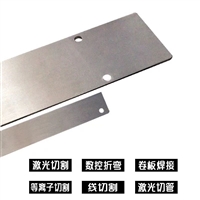
The installation and maintenance of stainless steel plates should follow standard procedures to extend their service life. When cutting and processing, it is recommended to use plasma cutting or laser cutting to avoid using carbon steel grinding wheels for direct polishing, in order to prevent surface corrosion caused by iron ion contamination. During the welding process, argon arc welding should be used, and the interlayer temperature should be strictly controlled. After welding, acid pickling and passivation treatment should be carried out to restore the corrosion resistance of the weld area. In daily maintenance, regularly clean the surface dust and stains with clean water or neutral cleaning agents, and avoid long-term contact with salt water or strong acid and alkali substances with high chloride ions. If slight floating rust is found on the surface, it can be removed by wiping with specialized stainless steel cleaning paste; If pitting occurs, it indicates that the material selection is improper or the environment exceeds the bearing range, and a higher grade stainless steel plate needs to be replaced in a timely manner. During storage, ventilation and dryness should be maintained to avoid mixing with carbon steel materials and prevent electrochemical corrosion. The correct selection and standardized maintenance are the key to ensuring the long-term stable operation of 201/304/316L series stainless steel plates.
AfterSalesService :
Key words:
More Products