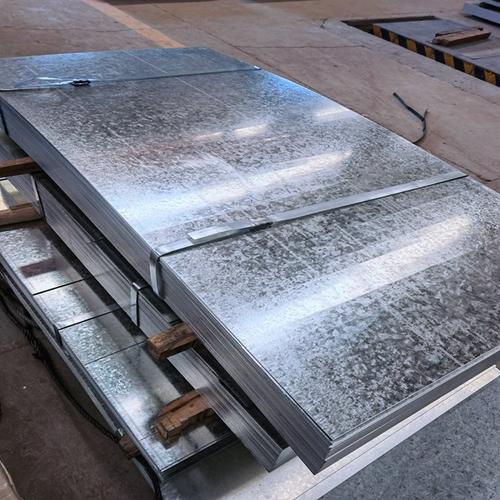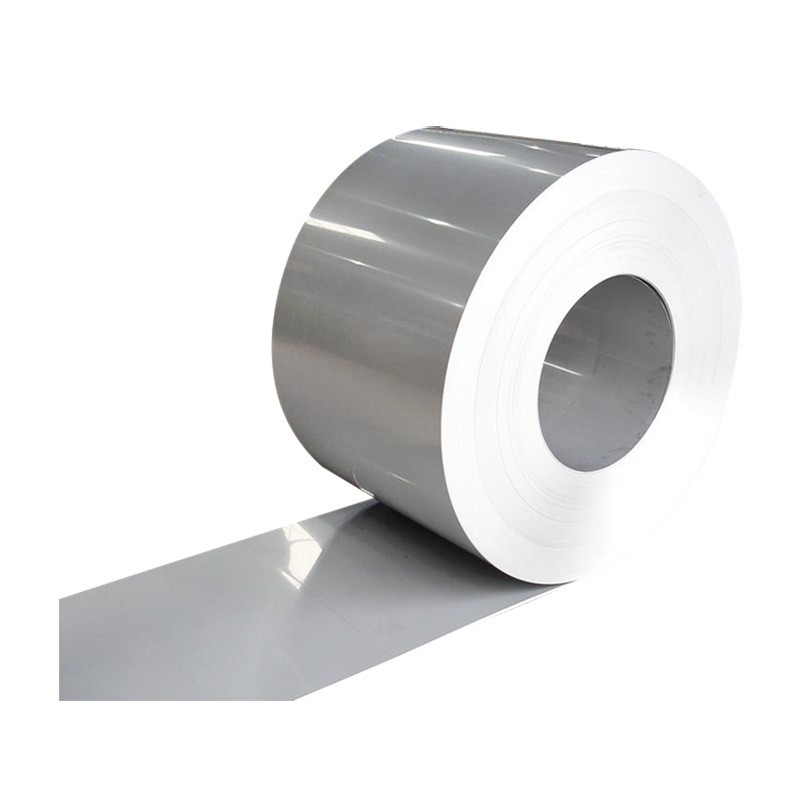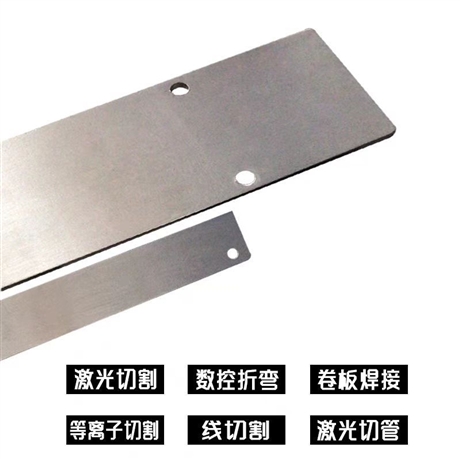

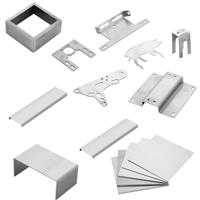
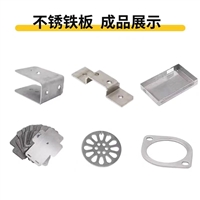
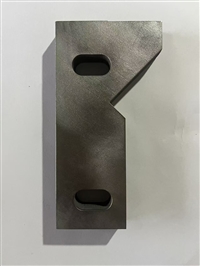
410 420 430 3Cr13 stainless steel plate laser cutting custom processing, bending welding, customized according to drawings
Category:
metallurgy/Stainless steel material/Stainless steel plate
Model:
410/420/430/3Cr13
Brand:
Jingze
Material Grade:
410/420/430/3Cr13/4Cr13
Surface Treatment:
2B/No.1/BA
Execution Standard:
GB/T 4237-2015
Chromium content:
10%-40%
Hardness range:
HB 180-220
density:
7.75 g/cm³
Processing method:
Hot/Cold Rolling
magnetism:
There is magnetism
Retail Price
10,000,000.00USD
重量
kg
- Product Description
-
Material Grade 410/420/430/3Cr13/4Cr13
Surface Treatment 2B/No.1/BA
Execution Standard GB/T 4237-2015
Chromium content 10%-40%
Hardness range HB 180-220
density 7.75 g/cm³
Processing method Hot/Cold Rolling
magnetism There is magnetism
Description :
Stainless steel plate refers to ferritic and martensitic stainless steel plates with high chromium content but without or with a small amount of nickel. It mainly solves the problem of easy rusting and insufficient strength of conventional carbon steel, and has higher strength and hardness compared to austenitic stainless steel such as 304. This series of products covers various grades such as 410, 420, 430, and 3Cr13, and is suitable for industrial conditions that require magnetism, certain corrosion resistance, and cost-effectiveness. 410 and 420 belong to martensitic stainless steel, which can be strengthened by heat treatment and are suitable for making cutting tools and valve components; 430 is a ferritic stainless steel with good corrosion resistance and formability; 3Cr13 combines high hardness and corrosion resistance, and is commonly used in the manufacture of high load parts.
The specifications of stainless steel plates usually include standard sizes such as thickness of 0.5mm to 50mm, width of 1000mm, 1219mm or 1500mm, length of 2000mm, 2438mm or 6000mm, and can also be customized and cut according to needs. The surface condition is divided into 2B (cold-rolled bright surface), No.1 (hot-rolled acid wash surface), and BA (mirror surface), etc. The implementation standards generally follow GB/T 4237-2015 "Stainless Steel Hot Rolled Steel Plate and Strip" or GB/T 3280-2015 "Stainless Steel Cold Rolled Steel Plate and Strip". The chromium content in the chemical composition of 410/420/430/3Cr13 stainless steel plate is usually between 12% -18%, and the carbon content varies with different grades. The carbon content of 3Cr13 is about 0.26% -0.35%, ensuring its high hardness characteristics after quenching.
When selecting, it is necessary to clarify the specific requirements for hardness, corrosion resistance, and magnetism in the usage scenario. If high hardness and wear resistance are required, such as in the production of bearings, springs, or cutting tools, 420 or 3Cr13 martensitic stainless steel plates should be selected and combined with subsequent heat treatment processes; If it is mainly used for decoration, home appliance shells or kitchen equipment, and requires good formability and oxidation resistance, 430 ferrite stainless steel plate is a more cost-effective choice; 410 falls between the two and is suitable for general corrosion-resistant structural components. It should be noted that the corrosion resistance of stainless steel plates is lower than that of 304 stainless steel, and it is not recommended to use them for a long time in strong acid, strong alkali, or high chloride ion environments. All grades have magnetism, which is fundamentally different from non-magnetic austenitic stainless steel.
When installing and processing stainless steel plates, it is recommended to use specialized stainless steel cutting tools to avoid mixing with ordinary carbon steel, which can cause iron ion contamination and affect surface corrosion resistance. When welding, matching stainless steel welding rods should be selected, and appropriate preheating and post weld heat treatment should be carried out to prevent crack formation, especially for high carbon martensitic materials such as 420 and 3Cr13. In daily maintenance, surface stains should be regularly cleaned, dry and ventilated, and long-term contact with corrosive media should be avoided. If slight rust spots are found on the surface, stainless steel cleaning agents or passivation paste can be used for treatment to restore its protective performance and extend the service life of 410/420/430/3Cr13 stainless steel plates.
AfterSalesService :
Key words:
More Products