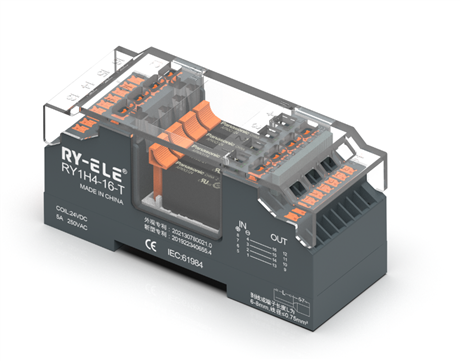

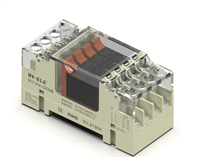
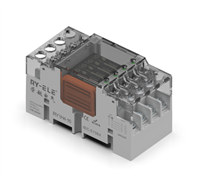
Industrial grade relay signal module electrical isolation conversion stable anti-interference PLC matching
Category:
electron/electrical/Relay input module
Model:
RY1H
Brand:
Rongyue Electric
input voltage:
DC 24V / AC 220V
Output contact capacity:
5A / 10A
Isolation voltage:
≥2500VAC
Installation Method:
35mm DIN rail installation
Operating temperature:
-20℃ ~ +60℃
Shell material:
Flame Retardant PC
response time:
≤10ms
Indicator light:
LED status indication
Retail Price
10,000,000.00USD
重量
kg
- Product Description
-
input voltage DC 24V / AC 220V
Output contact capacity 5A / 10A
Isolation voltage ≥2500VAC
Installation Method 35mm DIN rail installation
Operating temperature -20℃ ~ +60℃
Shell material Flame Retardant PC
response time ≤10ms
Indicator light LED status indication
Description :
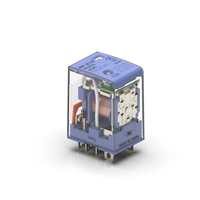
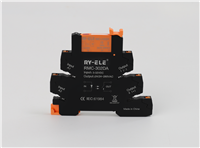
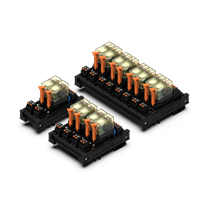
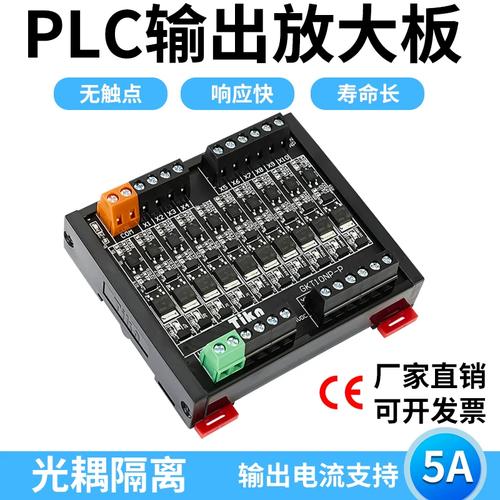
Relay signal module is a key intermediate device used for signal isolation, conversion, and amplification in industrial automation control systems. It mainly solves the problems of voltage level mismatch, signal interference, and insufficient driving capability between control equipment such as PLC and DCS and on-site actuators or sensors. In typical industrial conditions, this module can convert weak control signals into strong electrical signals, or isolate high voltage signals and convert them into low voltage safety signals, ensuring the stability and safety of the control circuit. It is widely used in automation distribution cabinets and control consoles in the fields of power, metallurgy, chemical engineering, and mechanical manufacturing.
The relay signal module usually adopts a standard DIN rail installation method, and the shell is mostly made of flame-retardant PC material. The internal core components include high-sensitivity electromagnetic relays or solid-state relay chips. Common input signals support standard voltages such as DC 24V and AC 220V, and the output contact capacity is usually between 5A-10A. It has photoelectric isolation or transformer isolation functions, and the isolation voltage can reach 2500VAC or more. The product complies with international standards such as IEC 61810 and has passed CE and RoHS certifications. The working temperature range is generally -20 ℃ to+60 ℃, with a relative humidity of less than 95% and no condensation, ensuring long-term stable operation in harsh industrial environments. The wiring terminals adopt a crimping design, with low contact resistance and good seismic resistance.
When selecting a relay signal module, it is important to confirm whether the input control voltage matches the output load voltage, and whether the contact type (normally open NO/normally closed NC) meets the logical requirements. If there is high-frequency interference on site or rapid response is required, it is recommended to use solid-state relay modules; If the load current is large or there is a surge current, an electromagnetic relay type should be selected and a margin should be reserved. Compared with ordinary intermediate relays, modular design saves more cabinet space and has LED status indicator lights for easy troubleshooting. For analog signal transmission scenarios, it is necessary to distinguish between the digital switch module and the analog isolation module to avoid signal distortion or control failure caused by incorrect selection.
When installing the relay signal module, it is necessary to ensure that the DIN rail is well grounded, and the strong and weak electrical wiring should be kept at an appropriate distance to reduce electromagnetic coupling interference. In daily maintenance, it is necessary to regularly check whether the wiring terminals are loose and observe whether the module indicator lights are in normal condition. If contact erosion or delayed action is found, it should be replaced in a timely manner. The typical service life is over ten million times in mechanical life, and the electrical life depends on the nature of the load. For inductive loads, it is recommended to install a resistance capacitance absorption circuit to extend the contact life. Common faults include coil breakage, contact adhesion, or insulation degradation. A multimeter can be used to measure the coil resistance and contact continuity to make a preliminary judgment. Keeping the cabinet clean and dry can help improve the overall operational reliability of the module.
AfterSalesService :
Key words:
More Products