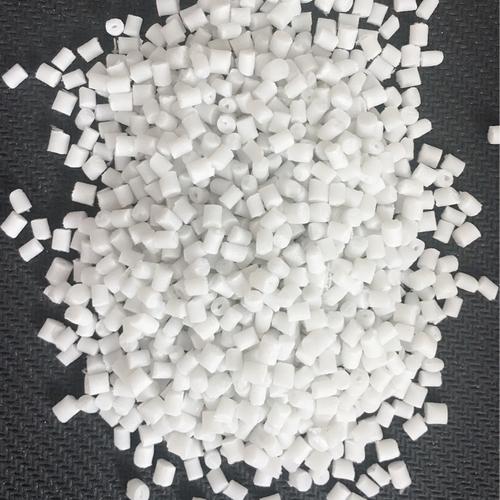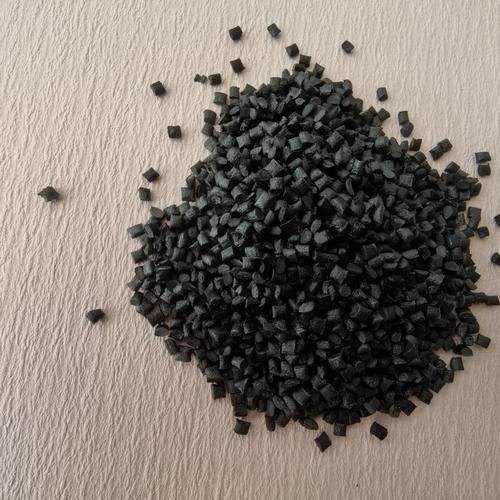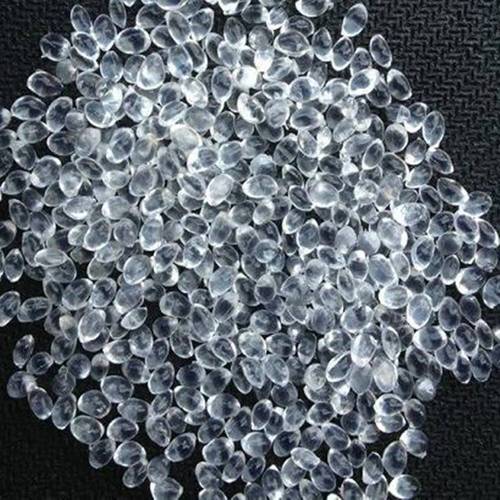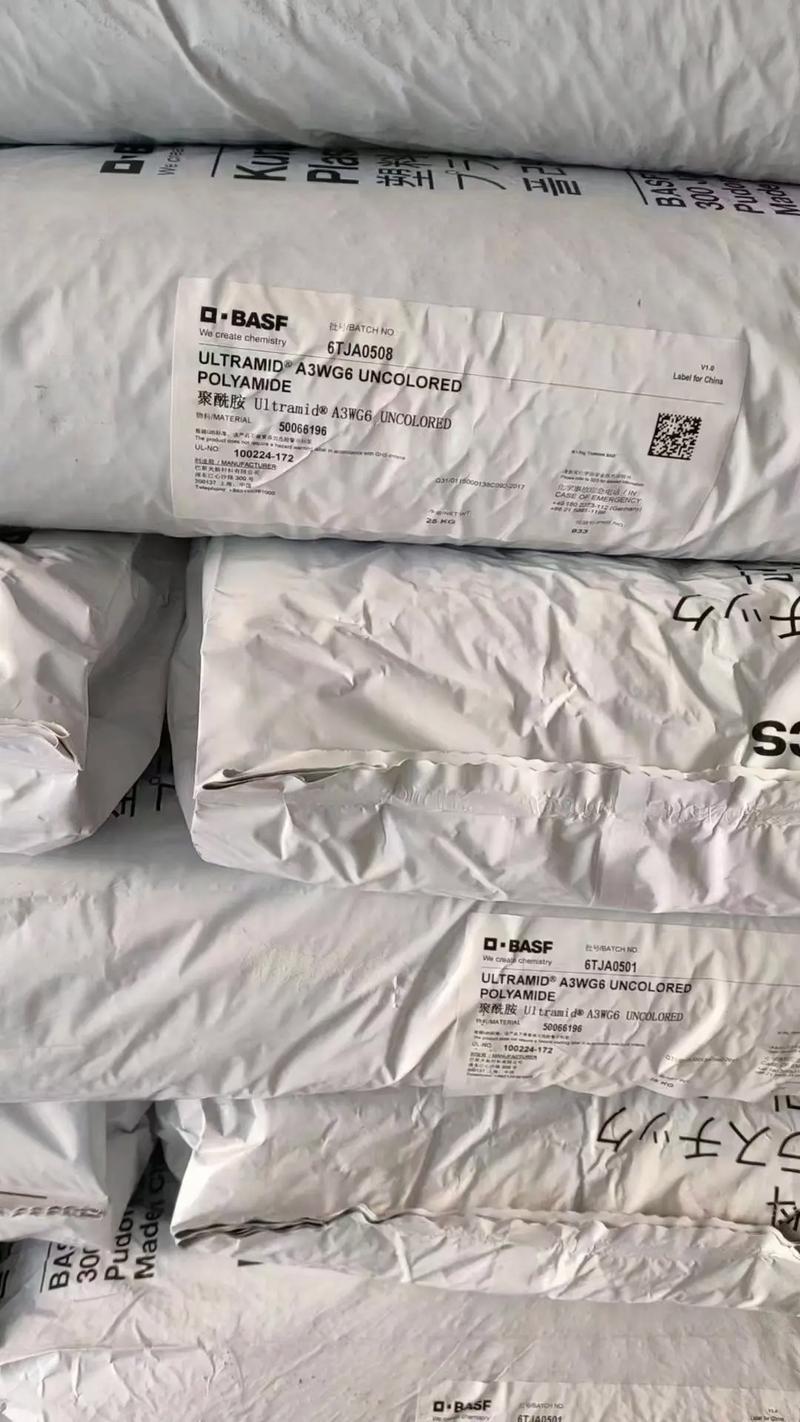

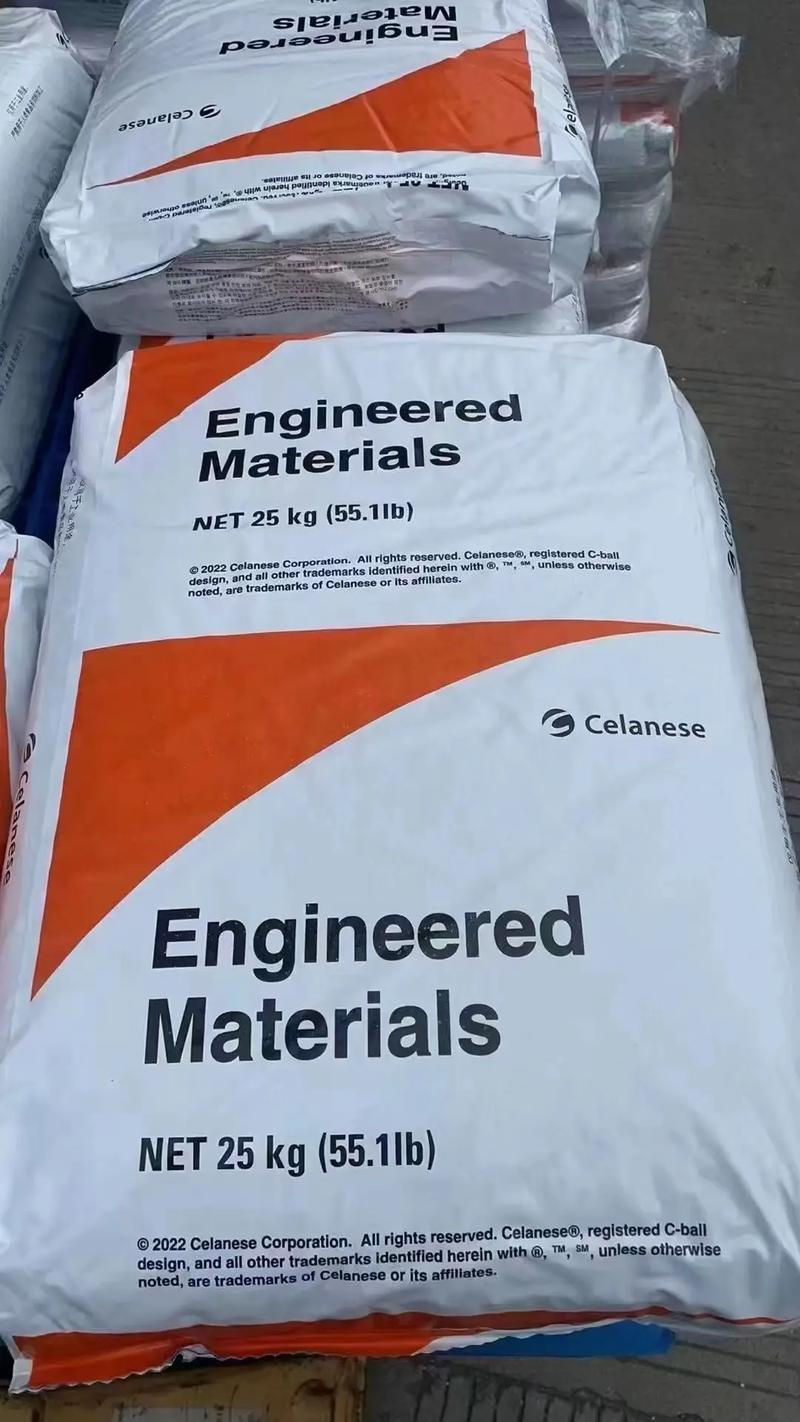
PA66 nylon raw material high-strength wear-resistant injection grade engineering plastic particles
Category:
Rubber and plastic/engineering plastic/PA66
Model:
particle
Brand:
Yuanchengda
density:
1.14 g/cm³
water absorption rate:
≤2.5%
tensile strength:
≥80 MPa
flexural modulus:
≥2800 MPa
melting point:
255-265 ℃
Processing temperature:
260-290 ℃
drying temperature:
80-100 ℃
Flame retardant rating:
HB/V0 (depending on the brand)
Environmental Standards:
RoHS
Retail Price
10,000,000.00USD
重量
kg
- Product Description
-
density 1.14 g/cm³
water absorption rate ≤2.5%
tensile strength ≥80 MPa
flexural modulus ≥2800 MPa
melting point 255-265 ℃
Processing temperature 260-290 ℃
drying temperature 80-100 ℃
Flame retardant rating HB/V0 (depending on the brand)
Environmental Standards RoHS
Description :
PA66 is a semi crystalline crystalline thermoplastic material and an important member of the polyamide family. It mainly solves the demand for high strength, high rigidity, and heat resistance in mechanical structural components. Typical working conditions include automobile parts manufacturing, electronic and electrical casing forming, and industrial machinery gear production. Compared to ordinary plastics, PA66 has a higher melting point and operating temperature, and can maintain stable physical properties in harsh environments. As a mature engineering plastic, PA66 is widely used in scenarios that require high loads and friction, and is one of the ideal choices to replace metal materials.
The typical density of PA66 is about 1.14g/cm ³, with low water absorption and good dimensional stability. Its tensile strength is usually above 80MPa, and its bending modulus can reach around 2800MPa, demonstrating excellent mechanical properties. The materials comply with the RoHS environmental directive requirements, and some grades have passed UL certification. The processing temperature range is generally between 260 ℃ and 290 ℃. It is recommended to perform drying treatment before processing, and the moisture content should be controlled below 0.2% to avoid hydrolysis degradation. Implement standards in accordance with international and domestic general standards such as GB/T 37566 or ASTM D4066 to ensure consistency in quality between batches.
When selecting, it is necessary to distinguish between pure resin and modified varieties. Glass fiber reinforced PA66 is suitable for structural components that require extremely high rigidity and dimensional stability, such as connectors and coil frames; The unreinforced type is more suitable for exterior parts that require a certain degree of toughness. If the working conditions involve long-term high temperature or chemical corrosion, it is necessary to confirm the specific brand's aging resistance and chemical resistance data. Compared with PA6, PA66 has a higher heat deformation temperature and better wear resistance, but slightly lower water absorption and narrower processing window. The purchaser should select the appropriate viscosity grade and additive formula based on the stress conditions and assembly accuracy requirements of the final product.
Before installation and use, PA66 must ensure that the surface of the components is clean to avoid oil stains affecting the bonding or assembly effect. The typical usage cycle is long, but it is recommended to add stabilizers or use black masterbatch for protection under strong ultraviolet radiation. In daily maintenance, attention should be paid to avoiding contact with strong acid and alkali environments, and regularly checking for signs of stress cracking in stressed components. Common faults such as uneven size shrinkage are often caused by improper mold temperature control or insufficient cooling time, and require optimization of injection molding process parameters. When storing, it should be placed in a cool and dry place to prevent moisture absorption and performance degradation. It is recommended to use it as soon as possible after opening.
AfterSalesService :
Key words:
More Products