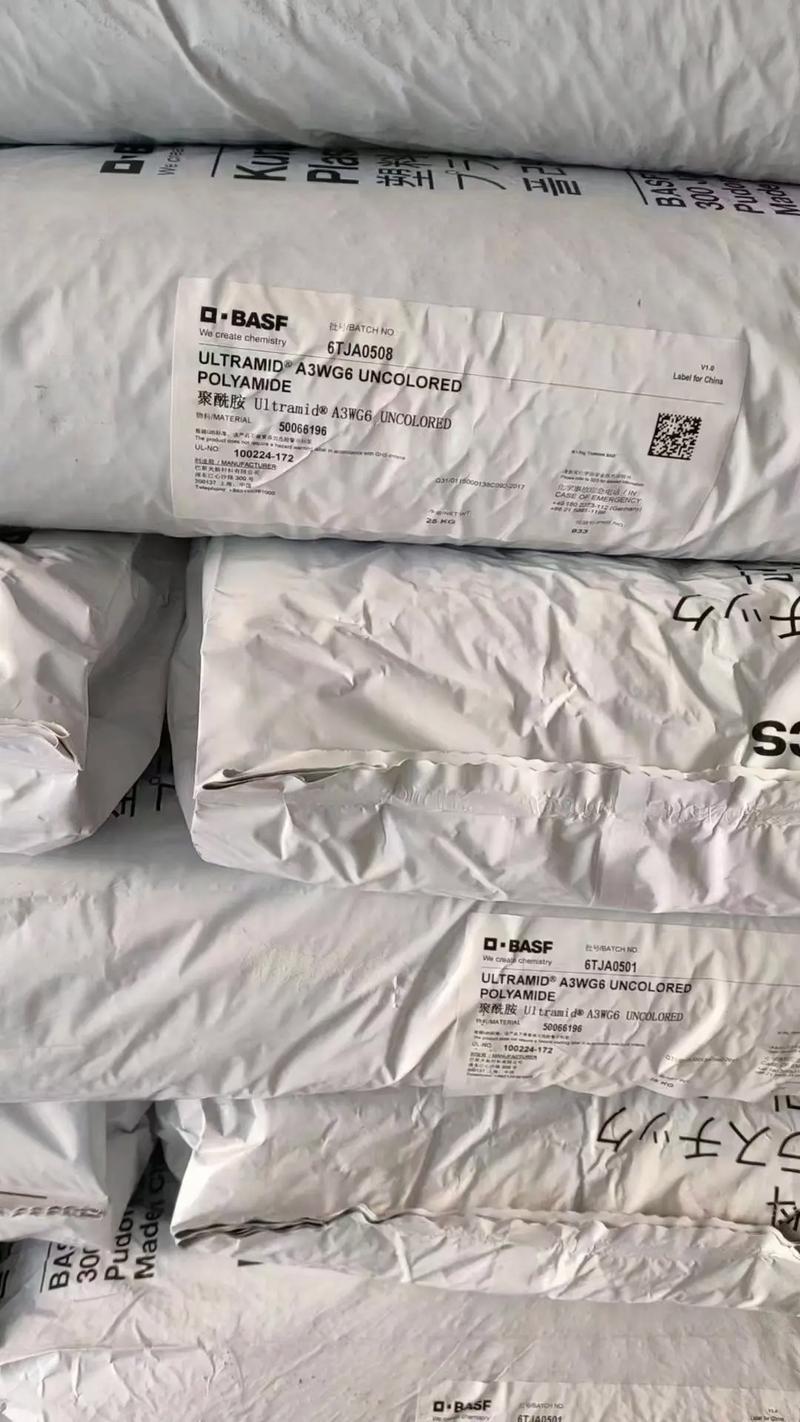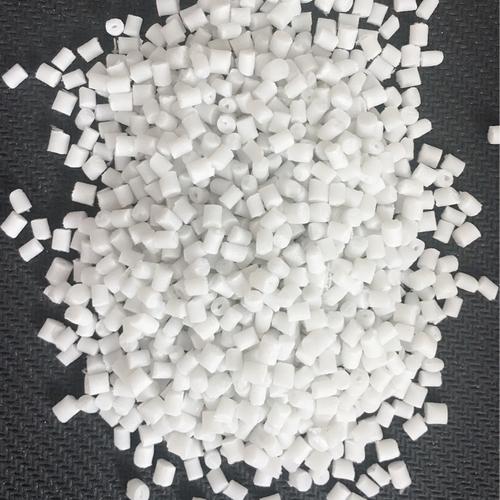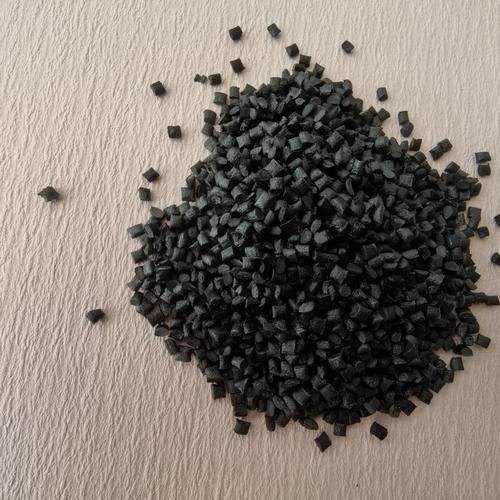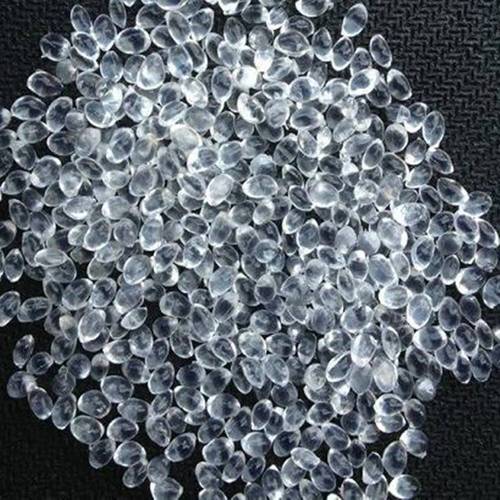

EVA hot melt adhesive grade foam grade Shanghai Yuanchengda plasticizing high fluidity transparent particles
Category:
Rubber and plastic/engineering plastic/EVA
Model:
particle
Brand:
Yuanchengda
VA content:
5%-40%
Melt Flow Index:
2-25 g/10min
density:
0.93-0.95 g/cm³
tensile strength:
10-20 MPa
Elongation at break:
≥600%
Processing temperature:
150-200℃
Appearance and Form:
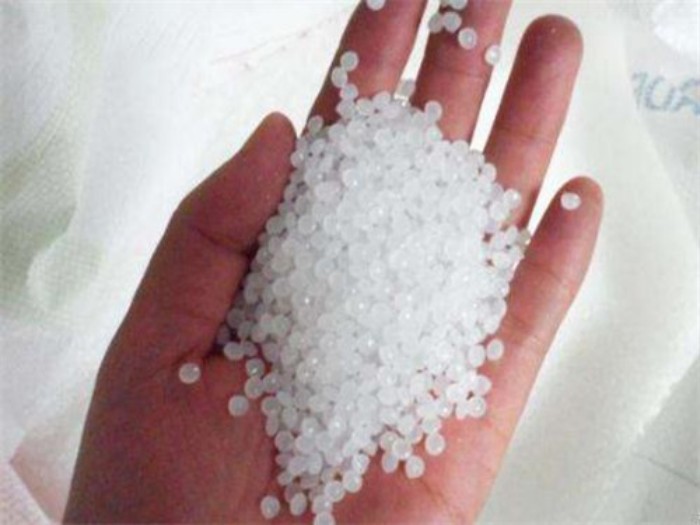
Transparent/semi transparent particles
Environmental Standards:
RoHS/REACH
Retail Price
10,000,000.00USD
重量
kg
- Product Description
-
VA content 5%-40%
Melt Flow Index 2-25 g/10min
density 0.93-0.95 g/cm³
tensile strength 10-20 MPa
Elongation at break ≥600%
Processing temperature 150-200℃
Appearance and Form Transparent/semi transparent particles
Environmental Standards RoHS/REACH
Description :
EVA (ethylene vinyl acetate copolymer) is a universal polymer material composed of ethylene and vinyl acetate monomers copolymerized together. It mainly solves the problems of high rigidity and poor impact resistance of traditional plastics. By adjusting the content of vinyl acetate (VA), different properties from soft elastomers to hard plastics can be obtained. Typical working conditions include hot melt adhesive coating, shoe sole foaming molding, photovoltaic module packaging, and agricultural film manufacturing. As a thermoplastic resin, EVA has good processing fluidity, low temperature resistance, and transparency, and is a basic raw material for packaging, shoe materials, and adhesive industries.
The EVA resin is usually in the form of semi transparent or transparent granules, with a density ranging from 0.93-0.95g/cm ³, depending on the VA content. The common range of VA content is 5% -40%, and the melt index (MI) is in the range of 2-25g/10min, which is suitable for different processing technology requirements. The material complies with the RoHS environmental directive and REACH regulations, and is halogen-free. Follow the standard reference GB/T 29518-2013 or ASTM D3892. Its tensile strength is generally between 10-20MPa, and the elongation at break can reach over 600%. It has excellent stress cracking resistance and low-temperature toughness, and is suitable for various molding processes such as blown film, extrusion, injection molding, etc.
When selecting, special attention should be paid to the VA content and melt index. High VA content (>28%) provides higher elasticity and viscosity, suitable for hot melt adhesives and cable shielding materials; Low to medium VA content (5% -18%) has good rigidity and is suitable for injection molded toys, pipes, and ordinary films. If used for photovoltaic packaging, specialized high transparency and anti-aging grades should be selected. Not suitable for high-temperature long-term service environments (prone to softening and deformation above 80 ℃). Compared with PE, EVA has higher transparency and softer hand feel; Compared with PVC, EVA is non-toxic, odorless, and does not require plasticizers, but its cost is slightly higher. When purchasing, it is necessary to clarify the specific application scenarios to match the corresponding brand.
EVA resin has low moisture absorption and can generally be processed without drying. However, if stored improperly and becomes damp, it is recommended to dry at 70-80 ℃ for 2 hours. The processing temperature is usually controlled at 150-200 ℃ to avoid the production of acetic acid odor during high-temperature decomposition. Daily storage should be placed in a cool, dry, and ventilated place, away from sources of fire and oxidants. If the packaging bag is damaged, it should be sealed in a timely manner to prevent dust pollution. Common faults include fish eyes (uneven dispersion), bubbles (excessive moisture or volatile matter), or yellowing (high processing temperature) on the surface of the product. Regularly checking the cleanliness of the hopper and keeping the screw clean can ensure the stable quality and consistent appearance of EVA products.
AfterSalesService :
Key words:
More Products