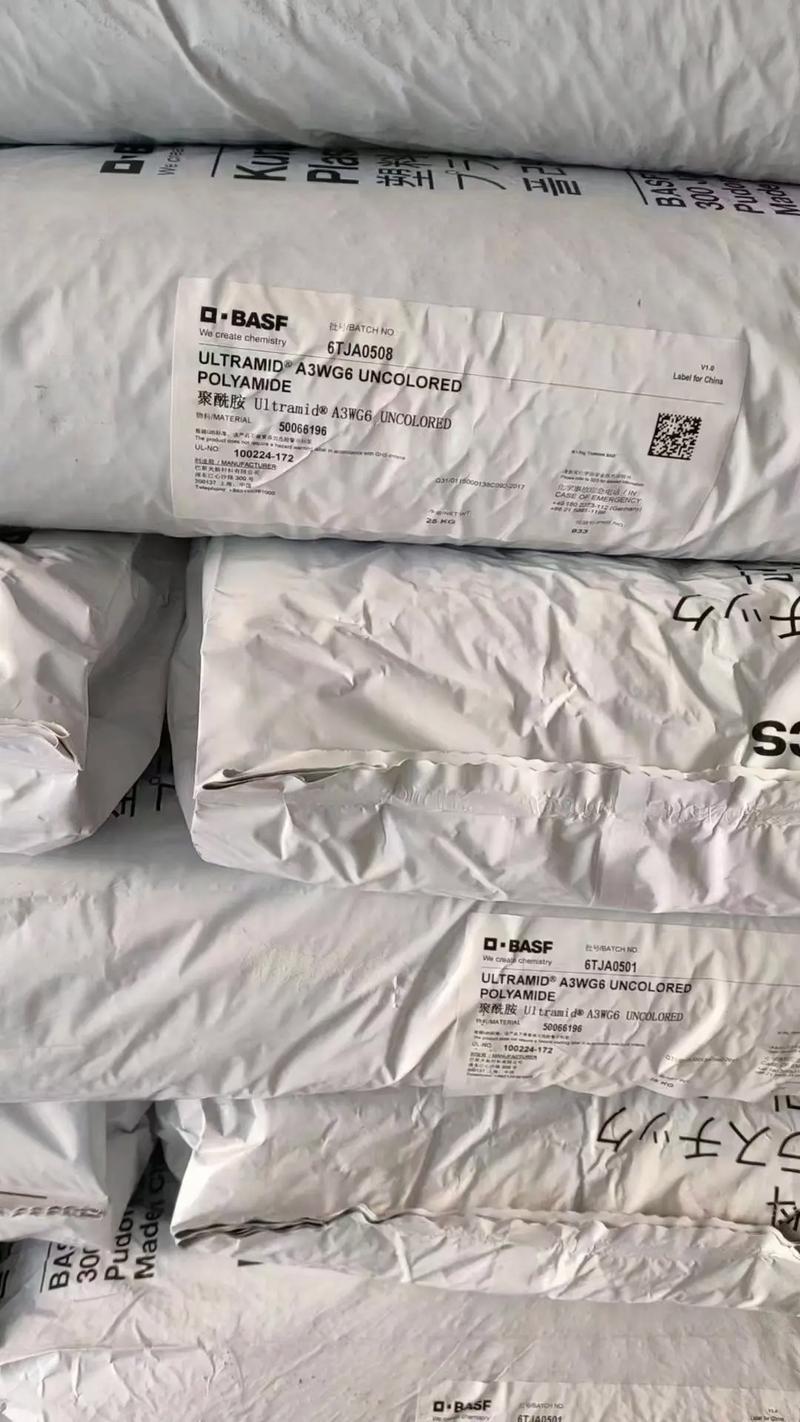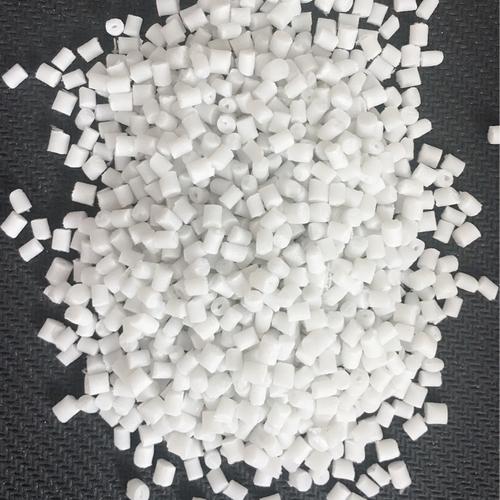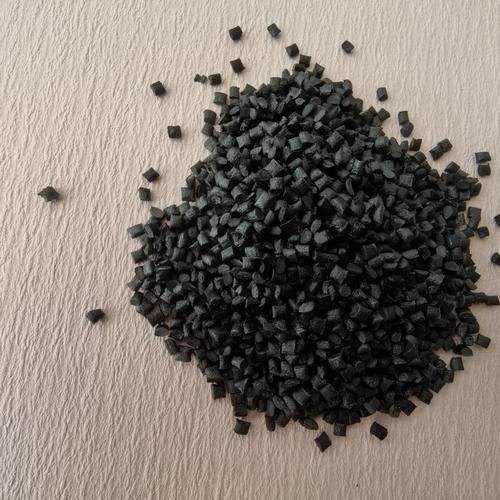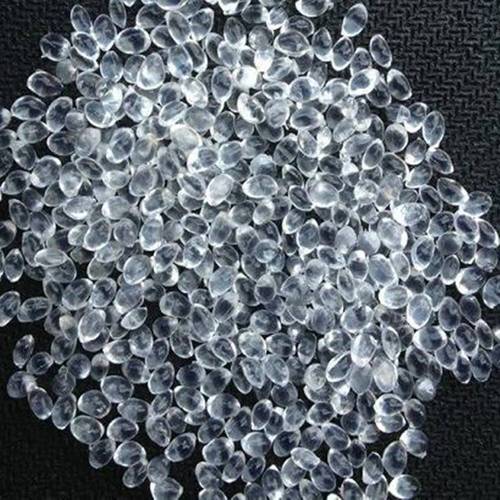

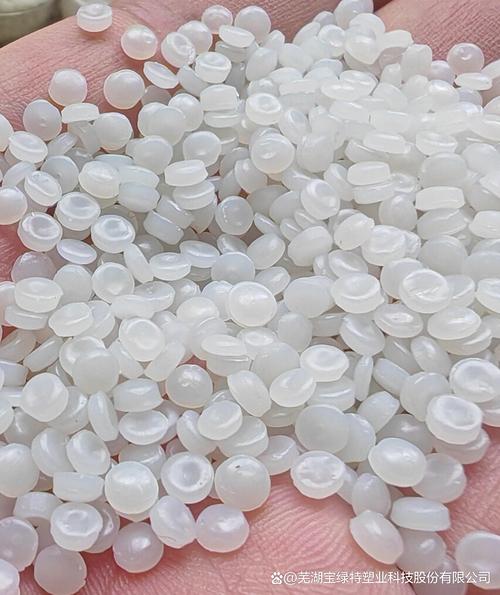
High elasticity and wear-resistant TPU plastic particles injection molding extrusion grade thermoplastic polyurethane raw material
Category:
Rubber and plastic/Thermoplastic Elastomer/TPU
Model:
particle
Brand:
Yuanchengda
Hardness range:
Shaw A60-D80
density:
1.10-1.25 g/cm³
Processing method:
Injection molding/extrusion/blow molding
drying temperature:
80-100℃
drying time:
2-4 hours
oil resistance:
Excellent (polyester type)
Hydrolysis resistance:
Excellent (polyether type)
water content:
≤0.05%
Retail Price
10,000,000.00USD
重量
kg
- Product Description
-
Hardness range Shaw A60-D80
density 1.10-1.25 g/cm³
Processing method Injection molding/extrusion/blow molding
drying temperature 80-100℃
drying time 2-4 hours
oil resistance Excellent (polyester type)
Hydrolysis resistance Excellent (polyether type)
water content ≤0.05%
Description :
TPU plastic particles are a high-performance thermoplastic polyurethane elastomer material, mainly used to solve the problems of difficult rubber processing, low recovery rate, and insufficient elasticity of ordinary plastics in traditional rubber processing. It combines the high elasticity of rubber with the processing convenience of plastic, and can maintain excellent physical properties over a wide temperature range. Typical working conditions include shoe material foaming, cable sheath extrusion, film blow molding, and injection molding of various industrial accessories. This material can quickly recover to its original state after being stretched by external forces and has good tear resistance. It is suitable for manufacturing scenarios that require high wear resistance and flexibility, and is an important basic material in the field of modern modified plastics.
The specification parameters of TPU plastic particles usually cover the hardness range of Shore A60 to Shore D80, with a density of about 1.10-1.25g/cm ³, depending on the polyester or polyether substrate. The material complies with GB/T standards or ASTM related testing specifications and has good resistance to oil, grease, and oxidation. Polyester TPU has high mechanical strength and good oil resistance, but slightly weaker hydrolysis resistance; Polyether TPU has excellent hydrolysis resistance and low temperature resistance, making it suitable for use in humid environments. The appearance of the particles is usually transparent, semi transparent or natural cylindrical, and the moisture content needs to be controlled below 0.05% to ensure processing stability. The melt index is measured at specific temperatures according to different models to ensure that the flowability meets the requirements of injection molding or extrusion processes.
When selecting TPU plastic pellets, it is necessary to clarify the usage environment and stress conditions of the final product. If the product is exposed to oil stains for a long time or requires high mechanical strength, such as hydraulic seals and transmission belts, polyester TPU should be preferred; If used for underwater equipment, medical catheters, or outdoor products in cold regions, polyether TPU is more suitable. For appearance parts with high transparency requirements, specialized optical grade grades should be selected. Please note that TPU is not resistant to strong acids, strong alkalis, and high-temperature hot water, and is not suitable for such extreme chemical environments. Compared with PVC, TPU does not contain plasticizers and has better environmental performance, but the cost is relatively high; Compared with silicone, TPU has higher processing efficiency and is suitable for large-scale production. When purchasing, it needs to be matched according to specific hardness levels and flame retardant requirements.
TPU plastic particles must be thoroughly dried before processing. It is recommended to dry at 80-100 ℃ for 2-4 hours to prevent molecular chain breakage caused by hydrolysis at high temperatures, which may affect the mechanical properties of the product. The temperature of the material barrel during injection molding is usually set between 180-220 ℃, and the mold temperature is controlled between 20-40 ℃, depending on the wall thickness and structural complexity. Daily storage should be placed in a cool, dry, and ventilated place, avoiding direct sunlight and rain. After packaging is damaged, it should be promptly sealed to prevent moisture absorption. Common malfunctions such as bubbles or silver lines appearing on the surface of the product are often caused by incomplete drying; If there is difficulty in demolding, check whether the mold temperature is too low or whether the demolding agent is used properly. Regularly clean the residual material of the screw to prevent degradation and discoloration of the material due to prolonged high temperature retention.
AfterSalesService :
Key words:
More Products