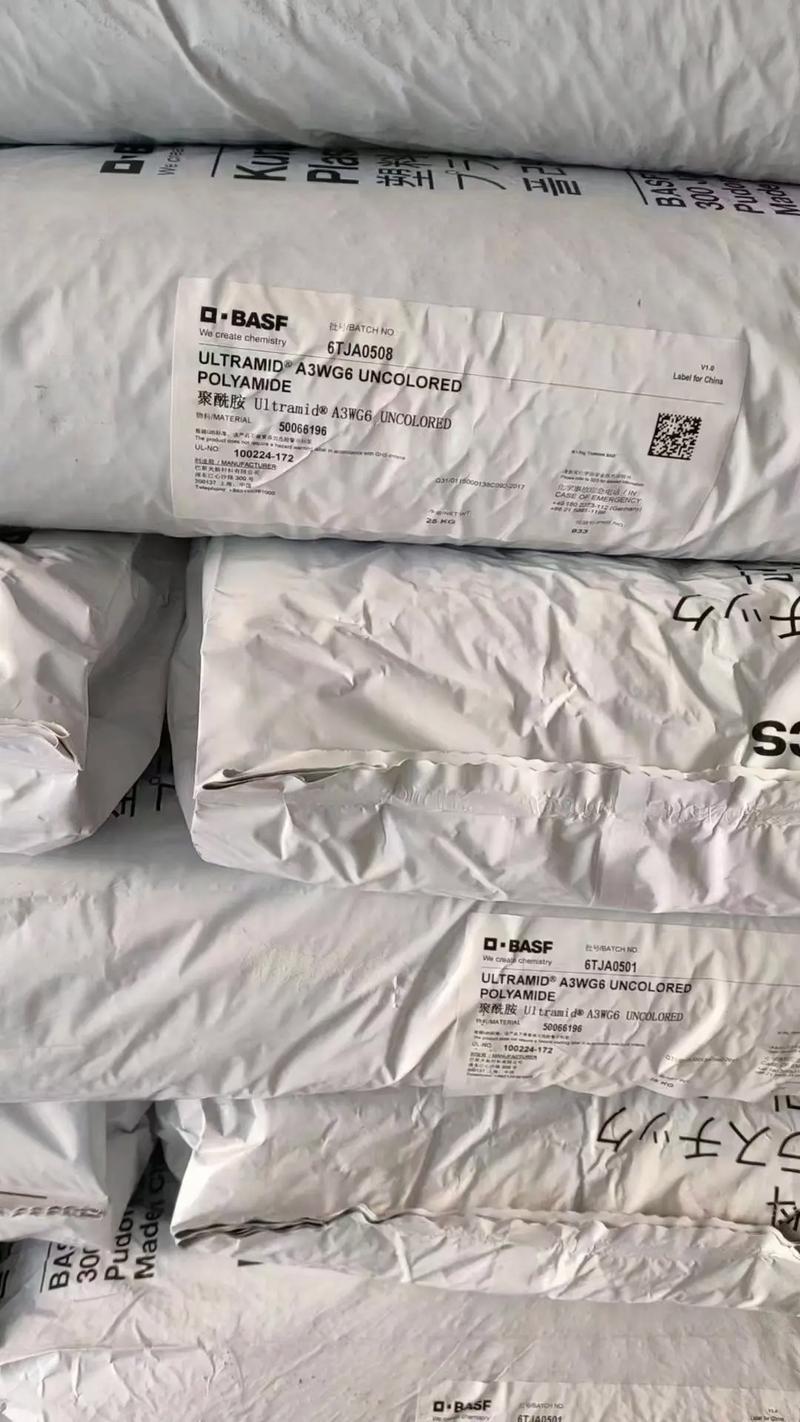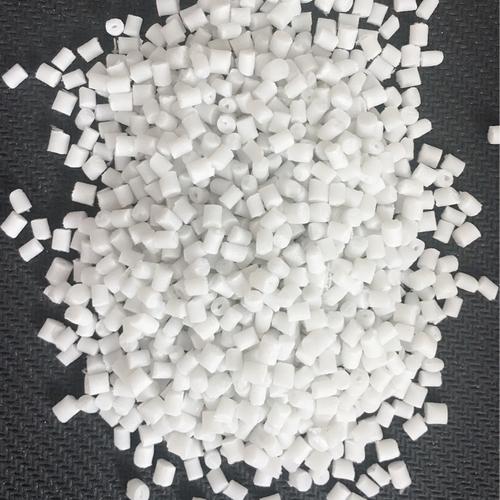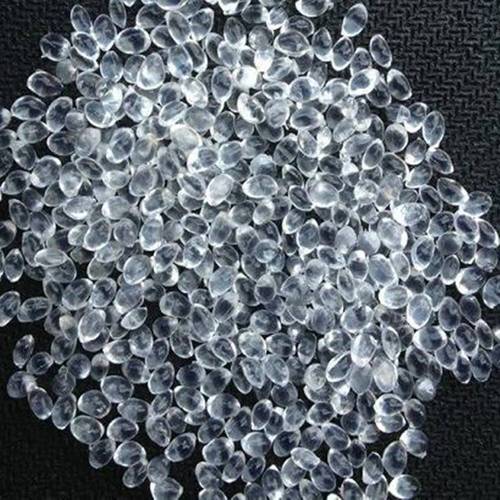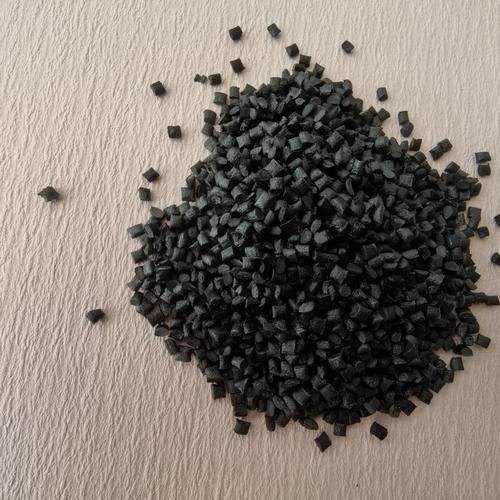

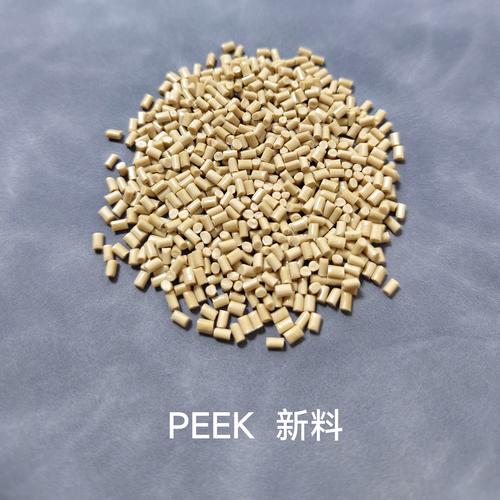
High temperature resistant PEEK plastic particles, high-strength and wear-resistant engineering plastic raw materials, injection grade
Category:
Rubber and plastic/engineering plastic/PEEK
Model:
particle
Brand:
Yuanchengda
density:
1.32 g/cm³
melting point:
343 ℃
Continuous use temperature:
260 ℃
tensile strength:
90-100 MPa
flexural modulus:
3.6 GPa
water absorption rate:
< 0.05 %
Flame retardant rating:
UL94 V-0
drying temperature:
150 ℃
drying time:
3-4 h
Retail Price
10,000,000.00USD
重量
kg
- Product Description
-
density 1.32 g/cm³
melting point 343 ℃
Continuous use temperature 260 ℃
tensile strength 90-100 MPa
flexural modulus 3.6 GPa
water absorption rate < 0.05 %
Flame retardant rating UL94 V-0
drying temperature 150 ℃
drying time 3-4 h
Description :
PEEK plastic pellets are a high-performance specialty engineering plastic, fully known as polyetheretherketone. It mainly solves the problem of traditional metals or ordinary plastics being prone to failure under extreme working conditions such as high temperature, high pressure, and strong corrosion. PEEK plastic particles have extremely high heat resistance, with a long-term use temperature of up to 260 ℃, while maintaining excellent mechanical strength and dimensional stability. This material is widely used in fields such as aerospace, medical equipment, automotive manufacturing, and semiconductor industry, and is an ideal choice for replacing metals to reduce weight and improve corrosion resistance. PEEK plastic particles have good processing performance and are suitable for various molding processes such as injection molding and extrusion, which can meet the manufacturing needs of precision components.
PEEK plastic particles have excellent physical and chemical properties, with a density of about 1.32g/cm ³ and an extremely low water absorption rate of less than 0.05%. Therefore, they can maintain stable electrical and mechanical properties in humid environments. Its tensile strength is usually between 90-100 MPa, and its bending modulus is as high as 3.6 GPa, demonstrating excellent rigidity and creep resistance. PEEK plastic particles comply with FDA food contact standards and USP Class VI medical grade certification requirements, and some grades have also passed UL flame retardant certification. Before processing, PEEK plastic particles need to be dried at 150 ℃ for 3-4 hours to ensure molding quality. The execution standards usually refer to international standards such as ASTM D6211 or ISO 13077 to ensure consistency between batches.
When selecting PEEK plastic pellets, it is necessary to distinguish different modified varieties such as pure resin, glass fiber reinforcement, carbon fiber reinforcement, etc. according to specific application scenarios. Pure PEEK plastic particles have good toughness and are suitable for chemical corrosion resistant components; Fiberglass reinforced type has higher rigidity and is suitable for structural components; Carbon fiber reinforced type has self-lubricating and high wear resistance, and is commonly used in moving parts such as bearings and sealing rings. If the working conditions involve ultra-high loads or require conductivity, PEEK plastic particles containing carbon fiber fillers should be selected. For non extreme environments and cost sensitive applications, alternative materials such as PPS or PAI can be considered, but it should be noted that their temperature and chemical resistance are slightly inferior to PEEK plastic particles. When selecting, a comprehensive evaluation of the life cycle cost should be conducted.
The processing temperature of PEEK plastic particles is relatively high, with a melting temperature of around 343 ℃. The mold temperature needs to be maintained at 170-200 ℃ to prevent rapid crystallization and brittleness. When installing or using components made of PEEK plastic particles, attention should be paid to avoiding sharp stress concentration. Despite its excellent toughness, the structure still needs to be designed reasonably under low-temperature impact. In daily maintenance, PEEK plastic particle products have a smooth surface and are not easy to adhere to dirt. When cleaning, they can be wiped with conventional solvents to avoid the use of strong oxidizing acids. Common faults such as cracking are often caused by unresolved internal stresses during processing or tight assembly. It is recommended to perform annealing treatment to relieve stress. Proper storage of PEEK plastic particles should be placed in a dry and ventilated area to prevent moisture absorption from affecting subsequent processing performance.
AfterSalesService :
Key words:
More Products