
POM polyoxymethylene raw material with high rigidity and wear resistance, supplied by Shanghai Yuanchengda Plasticization
Category:
Rubber and plastic/engineering plastic/POM
Model:
Particle raw materials
Brand:
Yuanchengda
density:
1.41-1.42 g/cm³
water absorption rate:
0.20-0.25%
tensile strength:
60-70 MPa
flexural modulus:
2800-3100 MPa
melting point:
165-175℃
Injection molding temperature:
190-230℃
drying temperature:
80-90℃
drying time:
2-4 hours
shrinkage rate:
1.8-2.5%
Rockwell hardness:
M80-M85
Retail Price
10,000,000.00USD
重量
kg
- Product Description
-
density 1.41-1.42 g/cm³
water absorption rate 0.20-0.25%
tensile strength 60-70 MPa
flexural modulus 2800-3100 MPa
melting point 165-175℃
Injection molding temperature 190-230℃
drying temperature 80-90℃
drying time 2-4 hours
shrinkage rate 1.8-2.5%
Rockwell hardness M80-M85
Description :
POM polyoxymethylene raw material is a highly crystalline thermoplastic engineering plastic with excellent comprehensive mechanical properties. It mainly solves the problem of component wear and deformation under high-frequency and high load conditions, and is widely used to replace non-ferrous metals such as copper, zinc, and tin in the manufacturing of precision gears, bearings, pump impellers, and other structural components. This material has a moderate density, extremely low water absorption rate, good dimensional stability, and can maintain stable performance over a wide temperature range. It is an indispensable basic material in the fields of automotive, electronic and electrical, and mechanical manufacturing.
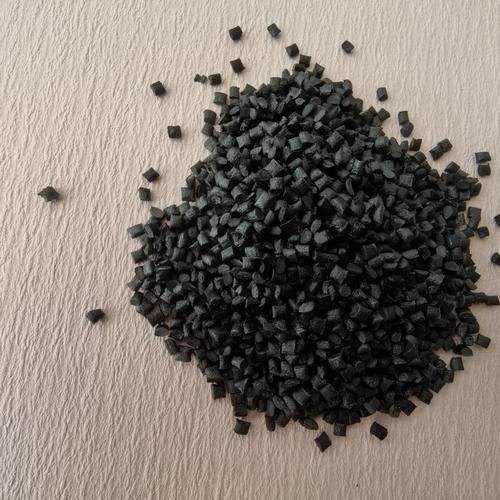
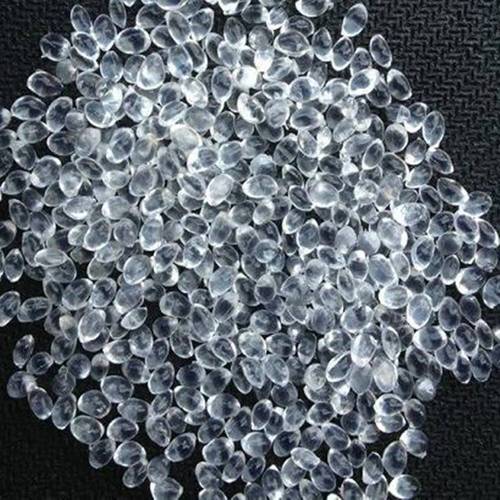
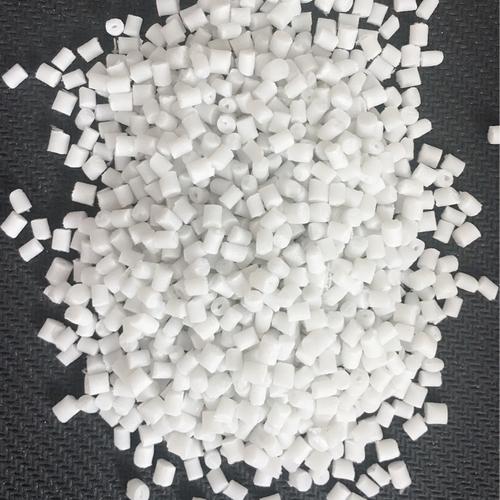
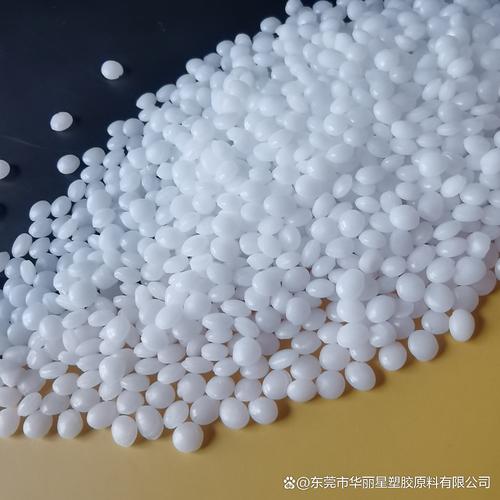
POM plastic raw materials are usually in milky white or black granular form, with a smooth and glossy surface. Its tensile strength is generally between 60-70 MPa, and its bending modulus is as high as 2800-3100 MPa, demonstrating extremely high rigidity and hardness. The materials comply with ROHS environmental standards, and some grades have passed UL certification. Strict temperature control is required during processing. Generally, the injection molding temperature is between 190-230 ℃, and the mold temperature is controlled between 80-120 ℃ to ensure crystallinity. The melt flow rate (MFR) typically ranges from 2-25g/10min depending on the model, meeting different molding process requirements.
When selecting POM plastic raw materials, it is necessary to distinguish between homopolymer POM and copolymer POM. Homopolymers have higher strength and stiffness, but slightly lower thermal stability; The copolymer has better heat resistance and a wider processing window, making it suitable for long-term use in high-temperature environments. If the application scenario involves strong acids and alkalis or long-term outdoor ultraviolet radiation, it is recommended to choose special grades with modified weather resistance or added stabilizers. For sliding parts that require low friction coefficients, modified varieties with PTFE or silicone oil lubrication can be selected to avoid early failure caused by directly using unmodified universal grade.
POM plastic raw materials must be thoroughly dried before processing. It is recommended to dry at 80-90 ℃ for 2-4 hours, with a moisture content controlled below 0.2%, otherwise bubbles or silver lines may occur. Daily storage should be sealed and placed in a cool and dry place to avoid moisture. During use, be careful to avoid contact with strong oxidants to prevent material degradation. Common faults such as rough surface or oversized dimensions of the product are often caused by uneven mold temperature or insufficient cooling time, and require adjustment of process parameters. Regularly clean the residue in the material cylinder to prevent equipment damage caused by corrosive gases generated during high-temperature decomposition.
AfterSalesService :
Key words:
More Products