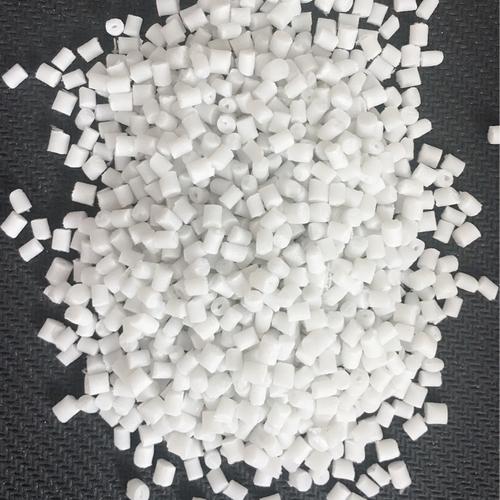

ABS white plastic pellets, universal grade injection molding material, high gloss and easy to process
Category:
Rubber and plastic/General plastic/ABS
Model:
Various grades
Brand:
Yuanchengda
color:
white
Material:
ABS
form:
particle
density:
1.05g/cm³
Melt Flow Index:
10-25g/10min
tensile strength:
40-50MPa
Molding shrinkage rate:
0.4%-0.7%
drying temperature:
80-85℃
drying time:
2-4 hours
Environmental Standards:
RoHS
Retail Price
10,000,000.00USD
重量
kg
- Product Description
-
color white
Material ABS
form particle
density 1.05g/cm³
Melt Flow Index 10-25g/10min
tensile strength 40-50MPa
Molding shrinkage rate 0.4%-0.7%
drying temperature 80-85℃
drying time 2-4 hours
Environmental Standards RoHS
Description :
ABS white plastic particles are a thermoplastic polymer material composed of three monomers, acrylonitrile, butadiene, and styrene, copolymerized together. This material combines the excellent properties of three components, with good mechanical strength, rigidity, impact resistance, and surface glossiness. The white ABS plastic particles mainly solve the specific requirements for the appearance color of the product, while maintaining the excellent physical properties of the ABS substrate. It is widely used in fields such as home appliance casings, toys, daily necessities, and automotive parts. It is one of the commonly used basic materials in injection molding technology and can meet the production needs of most conventional plastic products.
The typical physical properties of ABS white plastic particles include a melt index between 10-25g/10min, a density of approximately 1.05g/cm ³, and a tensile strength typically in the range of 40-50MPa. Its molding shrinkage rate is relatively low, generally between 0.4% and 0.7%, which is conducive to ensuring the dimensional stability of the product. This material complies with the RoHS environmental directive and does not contain heavy metals or harmful halogens. The appearance of the particles is milky white or pure white cylindrical, with uniform particle size and no black spots or impurities. It is recommended to dry before processing, usually at 80-85 ℃ for 2-4 hours to remove moisture, prevent silver wire or bubble defects during injection molding, and ensure the surface quality of the product.
When selecting, it is necessary to distinguish different modified varieties such as universal grade, flame retardant grade, and weather resistant grade. The white plastic pellets provided here are universal grade ABS, suitable for products that have no special requirements for fire rating and are mainly used indoors. If used in outdoor long-term exposure environments, it is recommended to choose weather resistant ABS with added UV resistant additives; If used for internal structural components of electronic appliances, V0 or V1 grade flame-retardant ABS may be required. Compared with HIPS, ABS has better surface hardness and glossiness; Compared with PC, ABS has better processing fluidity and lower cost, but its heat resistance and transparency are slightly inferior. When purchasing, the appropriate brand should be selected based on the usage environment and performance requirements of the final product.
During injection molding of ABS white plastic particles, the temperature of the material barrel is generally controlled between 200-240 ℃, and the mold temperature is maintained between 40-80 ℃. Daily storage should be placed in a cool, dry, and ventilated place, avoiding direct sunlight and rain, to prevent packaging damage from causing moisture or contamination. Unused raw materials after opening should be sealed and stored in a timely manner. Common faults such as surface flow patterns on the product may be caused by too fast injection speed or too low mold temperature; If there is a burning phenomenon, it is necessary to check whether the temperature of the material cylinder is too high or the residence time is too long. Regularly clean the screws and material barrels to prevent cross contamination of different colors or materials, ensuring the color purity and stable performance of the next batch of products.
AfterSalesService :
Key words:
More Products