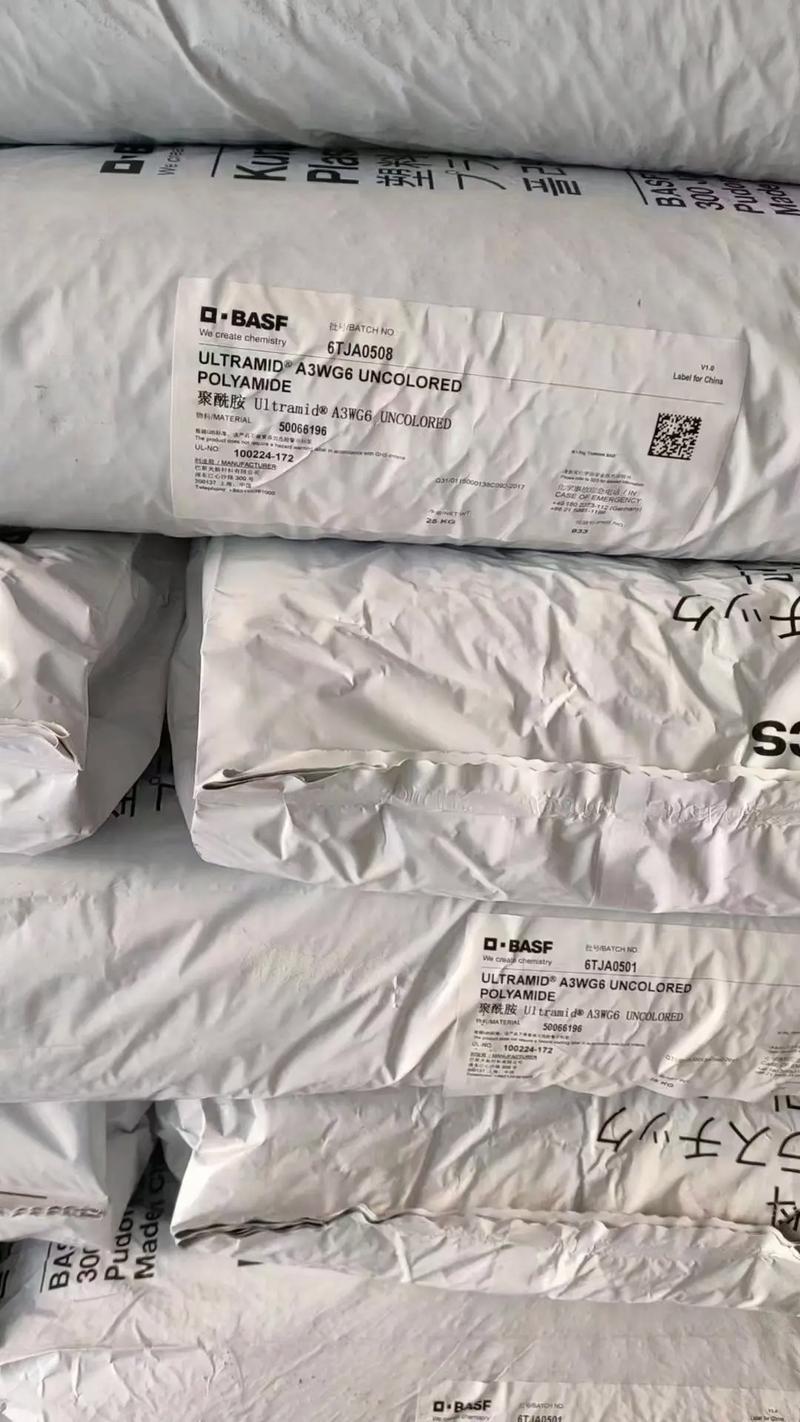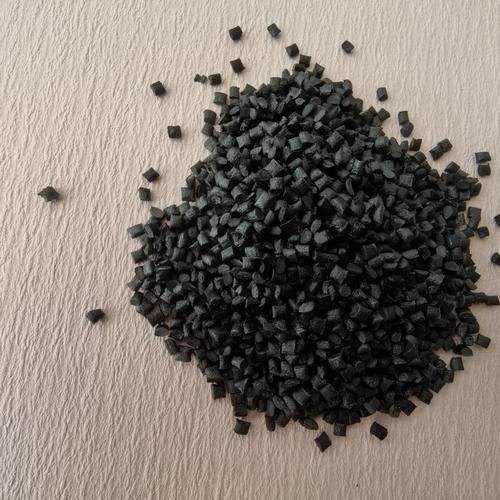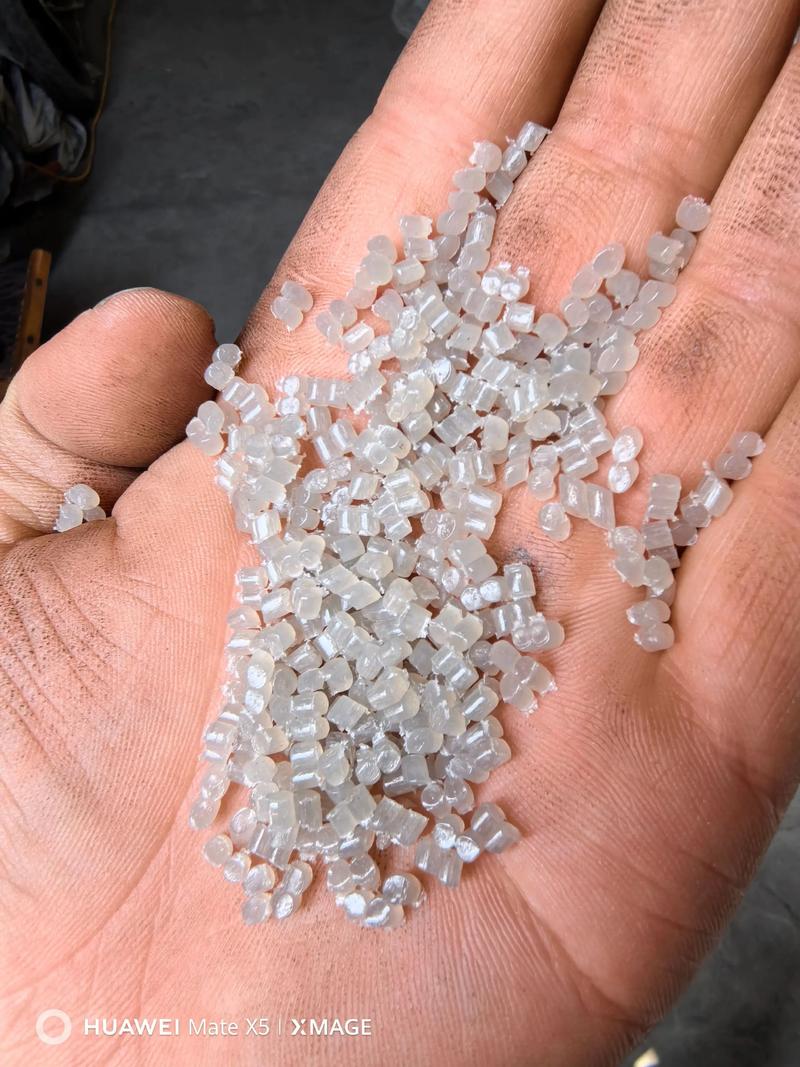

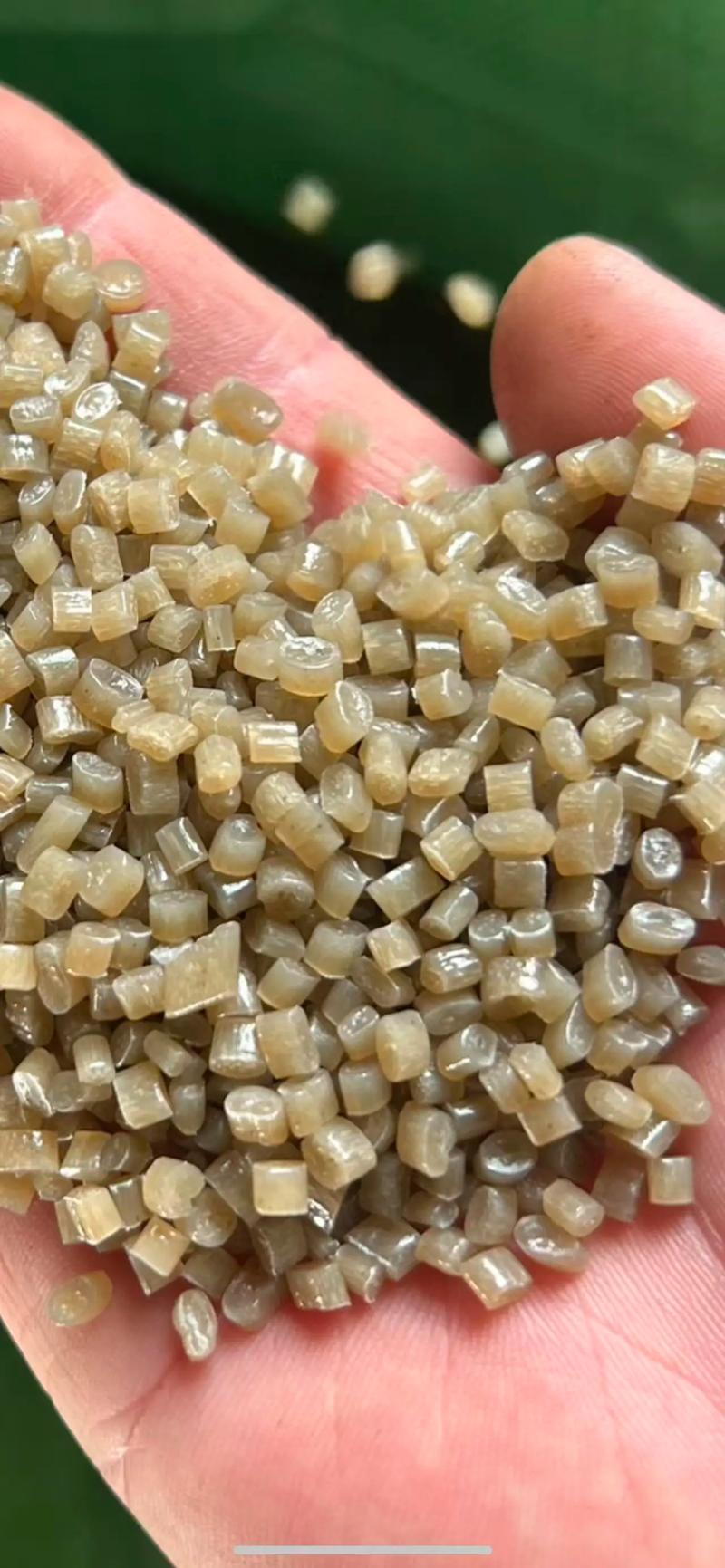
High density polyethylene PE plastic raw material particle injection molding blow molding universal grade resin
Category:
Rubber and plastic/Plastic board/PE plastic board
Model:
Various grades
Brand:
Yuanchengda
Material:
Polyethylene (PE)
Appearance:
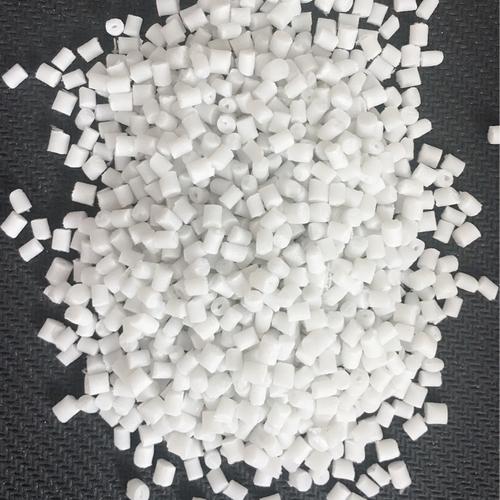
White/translucent particles
Melt Flow Index:
0.3-30 g/10min
density:
0.91-0.96 g/cm³
Processing method:
Injection molding/extrusion/blow molding
Temperature resistance range:
-60 ℃ to 80 ℃
water absorption rate:
<0.01%
Packaging Specifications:
25kg/bag
Retail Price
10,000,000.00USD
重量
kg
- Product Description
-
Material Polyethylene (PE)
Appearance White/translucent particles
Melt Flow Index 0.3-30 g/10min
density 0.91-0.96 g/cm³
Processing method Injection molding/extrusion/blow molding
Temperature resistance range -60 ℃ to 80 ℃
water absorption rate <0.01%
Packaging Specifications 25kg/bag
Description :
PE plastic raw material is a thermoplastic resin made by polymerizing ethylene as a monomer, commonly known as polyethylene. As a basic chemical raw material, it mainly solves the problems of fluidity, strength, and chemical corrosion resistance in the molding process of plastic products. This material has excellent electrical insulation, low water absorption, and good low-temperature toughness. Typical working conditions include daily packaging container manufacturing, industrial pipeline laying, wire and cable sheath extrusion, and other fields. According to different densities, PE plastic raw materials can be divided into various types such as low-density, linear low-density, and high-density, which are suitable for a wide range of processing scenarios from film blowing to large hollow container rolling molding. It is one of the most widely used and widely used basic categories in the modern plastic industry.
The appearance of PE plastic raw materials is usually white or semi transparent cylindrical particles, with a smooth and impurity free surface. Its physical performance indicators include melt index (MFI), density, tensile strength, and elongation at break, and the specific values vary significantly depending on the grade. Common implementation standards include international testing standards such as GB/T 11115-2009 "Polyethylene (PE) Resin" and ASTM D1238. The material has good acid and alkali resistance, and can withstand most chemical media erosion except for strong oxidizing acids. The processing temperature range is usually between 160 ℃ and 240 ℃, depending on the molecular weight distribution. This category has passed ISO9001 quality management system certification, and some food contact grade products also need to comply with FDA or EU related food safety regulations to ensure compliance and safety in specific application scenarios.
When selecting PE plastic raw materials, it is necessary to clarify the usage environment and processing technology of the final product. High density polyethylene (HDPE) has high rigidity and strength, making it suitable for making hard products such as barrels, bottles, and pipes; Low density polyethylene (LDPE) is soft and transparent, commonly used for soft films such as agricultural films and packaging films. If the product needs to withstand high loads or long-term outdoor use, a grade with good weather resistance and narrow molecular weight distribution should be selected; If it is a thin-walled injection molded part, a high melt index fast flow model is required. It is not recommended to use general-purpose PE plastic raw materials in high-temperature and high-pressure steam environments or in situations where strong ultraviolet radiation is directly exposed for a long time without adding stabilizers. Compared with PP material, PE has better low-temperature resistance but slightly lower heat resistance. When purchasing, differentiated selection should be made based on actual temperature resistance requirements.
PE plastic raw materials usually do not need to be dried before processing, but if the packaging is damaged and damp, it is recommended to treat it briefly in an oven at around 80 ℃. During the injection molding or extrusion process, the temperature of the material barrel and the speed of the screw should be strictly controlled to avoid local overheating that may cause material degradation and yellowing. The typical usage cycle depends on storage conditions, sealed and stored in a cool and dry place, with a shelf life of generally 12 to 24 months. The focus of daily maintenance is to prevent dust pollution and foreign matter from entering, and any unused raw materials after opening the bag should be sealed in a timely manner. Common faults such as fish eyes or flow patterns on the surface of the product are often caused by uneven plasticization or low mold temperature; If the mechanical properties decrease, it is necessary to check whether recycled materials have been mixed in or if the wrong brand has been used. Regularly cleaning the hopper and screw can extend the service life of the equipment and ensure the processing stability of PE plastic raw materials.
AfterSalesService :
Key words:
More Products