

Industrial grade high purity triethylene glycol moisture absorbent for natural gas dehydration and solvent applications
Category:
chemical industry/Ethers/Ethylene glycol monomethyl ether
Model:
CAS:112-27-6
Brand:
Hanbang Chemical
purity:
≥99.5%
Moisture:
≤0.1%
chroma:
≤30 Hazen
density:
1.125 g/cm³
boiling point:
285℃
flash point:
165℃
Packaging specifications:
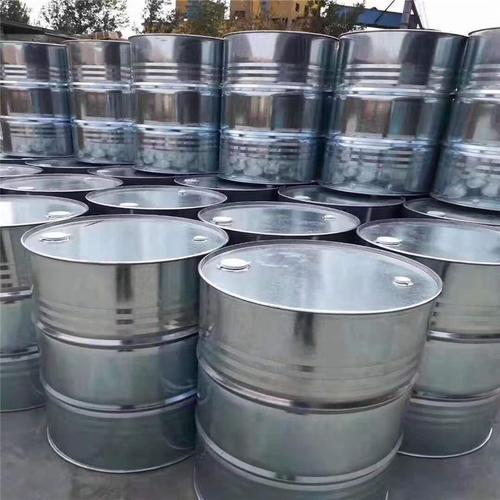
230kg/barrel
Retail Price
10,000,000.00USD
重量
kg
- Product Description
-
purity ≥99.5%
Moisture ≤0.1%
chroma ≤30 Hazen
density 1.125 g/cm³
boiling point 285℃
flash point 165℃
Packaging specifications 230kg/barrel
Description :
Triethylene glycol is a colorless, odorless, hygroscopic viscous liquid with the chemical name diethylene glycol ether and the molecular formula C6H14O4. It mainly solves the needs of gas dehydration, air drying, and as an organic synthesis solvent. In typical operating conditions, triethylene glycol is widely used for deep dehydration in natural gas processing plants to prevent pipeline corrosion and hydrate formation. It is also used as a stabilizer and plasticizer in the production process of printing inks, coatings, and resins. Its high boiling point and low volatility enable it to maintain stable performance in high-temperature operating environments, making it an indispensable basic chemical raw material in the industrial field.
The typical specifications of triethylene glycol include purity ≥ 99.5%, moisture content ≤ 0.1%, chromaticity ≤ 10 Hazen, density of approximately 1.125 g/cm ³ (20 ℃), and boiling point up to 285 ℃. This product complies with GB/T 23976-2009 or equivalent international standards to ensure consistency and reliability of product quality. The production process usually adopts the ethylene oxide water method, which undergoes multi-stage distillation and refining treatment to remove impurities and low boiling point components. Common certifications include ISO 9001 quality management system certification, and some high-end applications also require REACH registration. The testing scope covers key indicators such as purity, moisture, acidity, color, and thermal stability to ensure that each batch of products meets industrial application requirements.
When selecting, it is necessary to clarify the application scenario. High purity and low moisture content triethylene glycol should be selected for natural gas dehydration to ensure dehydration efficiency and equipment lifespan; If used as an ink or coating solvent, attention should be paid to color and odor indicators to avoid affecting the appearance and performance of the final product. Not suitable for environments with strong oxidants to avoid violent reactions. Compared to diethylene glycol, triethylene glycol has a higher boiling point and lower vapor pressure, making it suitable for high-temperature conditions; Compared with tetraethylene glycol, it has lower viscosity, better flowability, and is easy to pump and operate. The purchaser should choose the appropriate purity level and packaging specifications based on specific process conditions to avoid cost waste caused by excessive configuration.
When installing and using triethylene glycol, it is important to ensure that the storage container is dry, clean, and free from moisture and impurities. The typical usage cycle depends on the dehydration load and regeneration efficiency. It is generally recommended to regularly detect the concentration of pollutants in the circulating liquid and replace or regenerate it in a timely manner. Daily maintenance includes checking the sealing of pipelines, preventing leaks, and monitoring the liquid level and temperature of storage tanks to ensure that the system operates within a safe range. Common malfunctions include a decrease in dehydration efficiency, which may be caused by degradation or contamination of triethylene glycol. It is necessary to restore performance through methods such as filtration, activated carbon adsorption, or vacuum regeneration. Operators should wear protective equipment to avoid direct contact with skin and eyes, ensuring safe operation.
AfterSalesService :
Key words:
More Products