


Diethylene glycol isooctyl ether industrial grade solvent coating ink additive high boiling point low volatility
Category:
chemical industry/Ethers/Diethylene glycol butyl ether
Model:
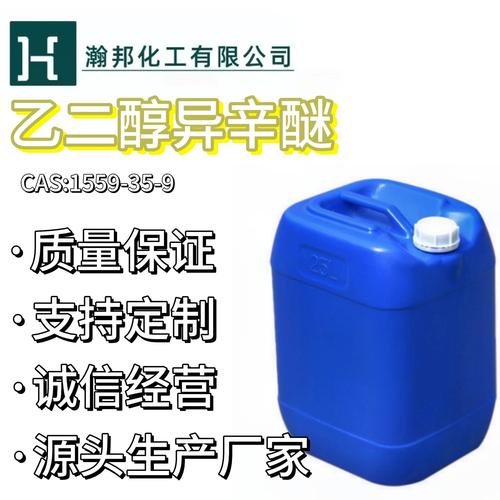
CAS:1559-36-0
Brand:
Hanbang Chemical
Appearance:
Colorless Transparent Liquid
boiling point:
256℃
flash point:
≥100℃
density:
0.91-0.93 g/cm³
Moisture:
≤0.1%
Packaging specifications:
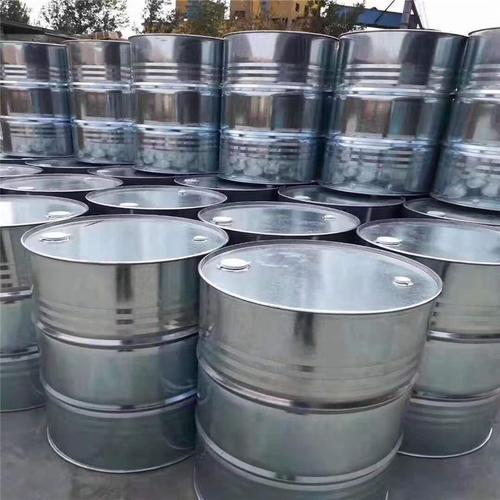
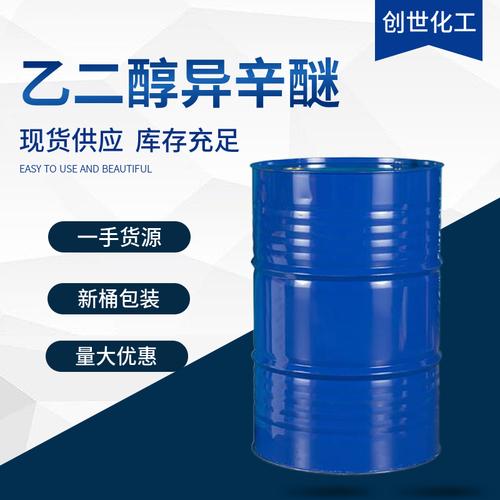
200L/barrel
Molecular formula:
C12H26O3
Retail Price
10,000,000.00USD
重量
kg
- Product Description
-
Appearance Colorless Transparent Liquid
boiling point 256℃
flash point ≥100℃
density 0.91-0.93 g/cm³
Moisture ≤0.1%
Packaging specifications 200L/barrel
Molecular formula C12H26O3
Description :
Diethylene glycol isooctyl ether is a high-performance ethylene glycol ether solvent that mainly solves the problems of insufficient solubility and difficult control of volatilization rate in high solid content coatings, inks, and cleaning agents. It is a colorless and transparent liquid at room temperature, with excellent coupling performance, which can effectively reduce surface tension and improve leveling. This category is widely used in water-based and solvent based systems, especially suitable for working conditions that require slow drying characteristics, such as screen printing inks, metal cleaning solutions, and pesticide emulsifiers. It is used as the main solvent or co solvent to ensure the stability and glossiness of the final product.
The typical physical and chemical parameters of diethylene glycol isooctyl ether include a boiling point of approximately 256 ℃, a flash point above 100 ℃, and a density between 0.91-0.93 g/cm ³. Its moisture content is usually controlled below 0.1%, and its acid value is extremely low, ensuring low corrosiveness to metal substrates. This product complies with the general standards for industrial grade chemicals and should be stored in a sealed, cool, and well ventilated place, away from sources of fire and oxidants. Due to its high boiling point characteristics, it can still maintain stable solubility in high-temperature baking processes and is not prone to pinholes or orange peel, which meets the requirements of most environmental regulations for volatile organic compounds (VOCs).
When selecting diethylene glycol isooctyl ether, it is necessary to clarify its differences from common solvents such as n-butanol and propylene glycol methyl ether. Compared to low boiling point solvents, its volatilization rate is slower, making it suitable for coating operations that require extended opening time; Compared to other ethylene glycol ethers, it has stronger hydrophobicity and excellent solubility and defoaming effects in aqueous systems. If the application scenario involves rapid drying or low-temperature curing, it is recommended to use it in combination with low boiling point solvents. Not suitable for indoor decorative coatings that are extremely sensitive to odors, as their residual odors dissipate slowly. When purchasing, attention should be paid to purity indicators to avoid impurities affecting resin compatibility.
Attention should be paid to personal protection during the use of diethylene glycol isooctyl ether, and explosion-proof electrical facilities and local exhaust systems should be equipped at the operating site. The typical usage cycle depends on the production batch and storage conditions, and the shelf life is generally 12 months. The focus of daily maintenance is to prevent water absorption and moisture. After opening, it should be used up or nitrogen filled for protection as soon as possible. Common faults such as whitening or delamination of the coating are often caused by excessive water content in the solvent or improper ratio with other polar solvents. They can be resolved by adjusting the formula ratio or replacing with a fresh batch. Regularly check the color and moisture content of inventory products to ensure feeding stability and avoid affecting the final product quality.
AfterSalesService :
Key words:
More Products