

Polyethylene glycol dimethyl ether NHD desulfurization and decarbonization solvent industrial grade high-purity absorbent
Category:
chemical industry/Ethers/Ethylene glycol monomethyl ether
Model:
NHD CAS:24991-55-7
Brand:
Hanbang Chemical
Appearance:
Colorless or pale yellow transparent liquid
density:
1.02-1.05 g/cm³ (20℃)
main ingredients:
Polyethylene glycol dimethyl ether mixture
moisture content:
≤0.1%
flash point:
>100℃
Use:
Solvent for desulfurization, decarbonization, and physical absorption
Packaging specifications:
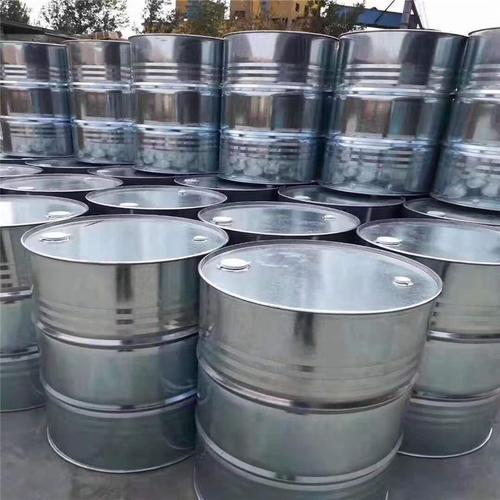
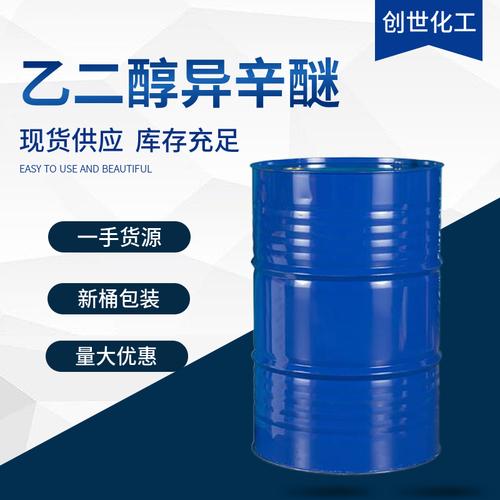
200kg/barrel or tanker truck
Storage conditions:
A cool, ventilated, and dry place
Retail Price
10,000,000.00USD
重量
kg
- Product Description
-
Appearance Colorless or pale yellow transparent liquid
density 1.02-1.05 g/cm³ (20℃)
main ingredients Polyethylene glycol dimethyl ether mixture
moisture content ≤0.1%
flash point >100℃
Use Solvent for desulfurization, decarbonization, and physical absorption
Packaging specifications 200kg/barrel or tanker truck
Storage conditions A cool, ventilated, and dry place
Description :
Polyethylene glycol dimethyl ether (NHD) is an efficient physical absorption solvent mainly used for desulfurization and decarbonization in the synthesis of ammonia, methanol, and natural gas purification processes. This category removes acidic gases such as hydrogen sulfide and carbon dioxide from the raw gas through physical dissolution, solving the problems of catalyst poisoning and equipment corrosion caused by gas purity not meeting standards. Typical operating conditions include gas purification processes in high-pressure and low-temperature environments, suitable for chemical production scenarios with high requirements for sulfur and carbon capacity. Polyethylene glycol dimethyl ether has become one of the key basic chemicals in modern coal chemical industry due to its low vapor pressure and high chemical stability.
The main component of polyethylene glycol dimethyl ether is a mixture of polyethylene glycol dimethyl ether, which usually appears as a colorless or light yellow transparent liquid. Its core specifications include a density of approximately 1.02-1.05g/cm ³ (20 ℃), moderate viscosity to ensure good fluidity and mass transfer efficiency. The execution standards usually refer to HG/T series chemical industry standards or enterprise internal control standards to ensure extremely low moisture content (generally<0.1%) to prevent freezing and blockage of pipelines during low-temperature operations. This product has a high flash point and belongs to non flammable chemicals, with good storage and transportation safety. Polyethylene glycol dimethyl ether has excellent thermal stability and is not easily decomposed during high-temperature regeneration, ensuring stable performance for long-term cyclic use.
When selecting, special attention should be paid to the purity and impurity content of polyethylene glycol dimethyl ether. High purity products can significantly reduce solvent loss and improve absorption efficiency. Suitable for decarbonization of shift gas in synthetic ammonia plants, purification of coal gasification crude gas, and natural gas desulfurization devices. Not suitable for atypical working conditions containing a large amount of strong oxidants or strong acidic substances to avoid side reactions. Compared with traditional chemical absorption methods such as MEA, the polyethylene glycol dimethyl ether method has lower energy consumption, no corrosion problems, and the solvent is biodegradable, with obvious environmental advantages. The purchaser should determine the appropriate solvent specifications and dosage based on the operating pressure, temperature range, and processing gas volume of the device when selecting.
Polyethylene glycol dimethyl ether requires strict drying treatment of the system before installation and use to avoid moisture mixing and affecting absorption efficiency. The typical usage cycle lasts for several years, during which the accumulation of impurities such as heavy hydrocarbons and inorganic salts in the solvent needs to be regularly monitored, and regenerated and maintained through filtration or distillation. Common faults include increased pressure drop in the absorption tower or fluctuations in purified gas indicators, usually caused by solvent foaming or contamination, requiring the addition of defoamers or replacement of some fresh solvents. It is recommended to establish a solvent quality file for daily maintenance, regularly check density, viscosity, and absorption capacity to ensure that polyethylene glycol dimethyl ether is always in the best working condition, extend equipment service life, and ensure production continuity.
AfterSalesService :
Key words:
More Products