


Industrial grade ethylene glycol isooctyl ether solvent, high-purity slow drying coating additive
Category:
chemical industry/Ethers/Ethylene glycol diethyl ether
Model:
CAS1559-35-9
Brand:
Hanbang Chemical
purity:
≥99.5%
Moisture:
≤0.1%
chroma:
≤10 Hazen
density:
0.90-0.92 g/cm³
boiling point:
About 230 ℃
flash point:
≥100℃
Packaging specifications:
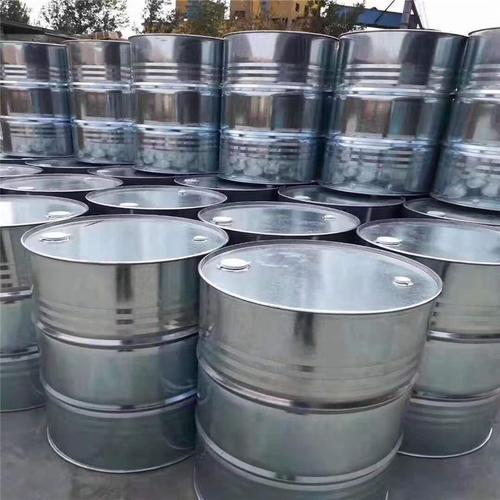
190kg/barrel
Retail Price
10,000,000.00USD
重量
kg
- Product Description
-
purity ≥99.5%
Moisture ≤0.1%
chroma ≤10 Hazen
density 0.90-0.92 g/cm³
boiling point About 230 ℃
flash point ≥100℃
Packaging specifications 190kg/barrel
Description :
Ethylene glycol isooctyl ether is an important organic chemical raw material, mainly used as a high-performance solvent and chemical intermediate. It has excellent solubility and can effectively dissolve various resins, oils, and polymers. At the same time, it has a low volatilization rate and is suitable for coating systems that require slow drying characteristics. In industrial production, ethylene glycol isooctyl ether is often used to solve the problems of high viscosity and poor leveling of high solid content coatings, and can also be used as a cleaning agent to remove stubborn oil stains. Its chemical properties are stable and it is miscible with water and most organic solvents. It is widely used in the fields of paint, ink, electronic cleaning, and metal processing, and is a key additive to improve the surface quality of products.
The typical purity of this product is usually above 99.5%, with a moisture content controlled below 0.1% to ensure stability during use. The appearance is a colorless transparent liquid with no obvious mechanical impurities, and the chromaticity (Pt Co) is generally less than 10. Its boiling point is about 230 ℃, and its flash point is relatively high, belonging to the category of relatively safe flammable liquids, but it still needs to be stored according to hazardous chemical regulations. The density is between 0.90-0.92 g/cm ³, and the viscosity is moderate, making it easy for pipeline transportation and metering addition. The execution standards are mostly based on national standards or industry standards GB/T series. Some high-end applications require ROHS and REACH certification to ensure that they do not contain heavy metals and harmful restricted substances, and meet export and environmental protection requirements.
When selecting, it is necessary to distinguish the differences between ethylene glycol isooctyl ether and other ether solvents such as ethylene glycol butyl ether based on specific application scenarios. Ethylene glycol isooctyl ether is more suitable for high-temperature baking paints, coil coatings, and screen printing inks that require longer opening times due to its longer carbon chain, slower volatilization, and stronger hydrophobicity. If the application scenario requires rapid drying or extremely high sensitivity to water, its compatibility needs to be carefully evaluated. Not suitable for indoor water-based coating systems that are extremely sensitive to odors, as their residual odors may be difficult to completely dissipate. During procurement, attention should be paid to the fluctuations in color and acid value between batches to ensure process stability in continuous production and avoid coating shrinkage or uneven gloss caused by solvent parameter deviations.
During use, a good ventilation environment should be maintained, and operators should wear chemical resistant gloves and goggles to avoid direct skin contact or inhalation of vapors. When storing, it should be placed in a cool, dry, well ventilated dedicated warehouse, away from fire, heat sources, and oxidants. The container must be sealed to prevent moisture absorption or volatilization. The typical usage cycle depends on the production frequency, and it is recommended to use first in first out to avoid long-term storage that may lead to peroxide generation. Common faults include resin precipitation caused by excessive moisture content, which can be solved by pre dehydration treatment or adding molecular sieves. Waste disposal must be entrusted to qualified hazardous waste treatment units, and direct discharge into sewers or natural water bodies is strictly prohibited, in compliance with environmental protection and compliance requirements.
AfterSalesService :
Key words:
More Products