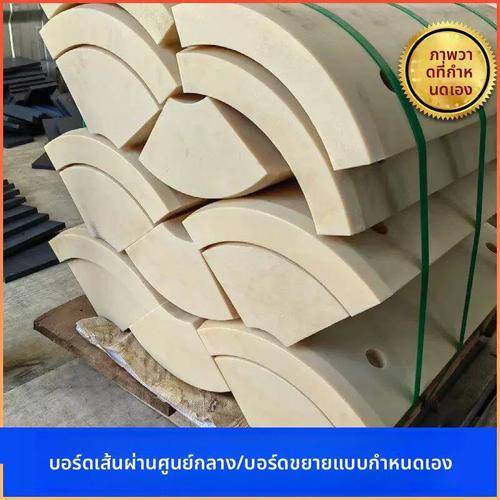

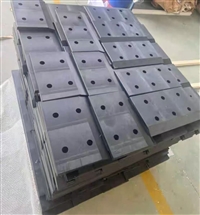
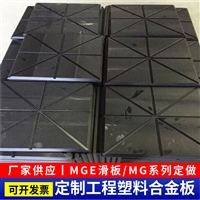
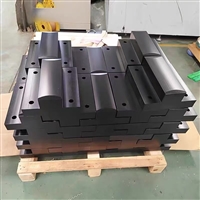
Water conservancy engineering gate slider bridge top push sliding plate polymer polyethylene wear-resistant pressure bearing pad
Category:
Rubber and plastic/engineering plastic/POM
Model:
HQFH
Brand:
Huaqing Fuheng
Material:
Ultra high molecular weight polyethylene/modified polytetrafluoroethylene
density:
0.93-0.97 g/cm³
water absorption rate:
<0.01%
coefficient of friction:
0.05-0.15 (dynamic friction)
Operating temperature:
-40 ℃ to+80 ℃
compressive strength:
≥20 MPa
Applicable Scenarios:
Hydraulic gate/bridge top push/shaft sleeve
Corrosion resistance:
Acid alkali/seawater corrosion resistance
Retail Price
10,000,000.00USD
重量
kg
- Product Description
-
Material Ultra high molecular weight polyethylene/modified polytetrafluoroethylene
density 0.93-0.97 g/cm³
water absorption rate <0.01%
coefficient of friction 0.05-0.15 (dynamic friction)
Operating temperature -40 ℃ to+80 ℃
compressive strength ≥20 MPa
Applicable Scenarios Hydraulic gate/bridge top push/shaft sleeve
Corrosion resistance Acid alkali/seawater corrosion resistance
Description :
Engineering plastic slider is a high-performance polymer composite material component designed specifically for high load and low friction conditions. It mainly solves technical problems such as high opening and closing resistance of hydraulic gates, unstable friction coefficient during bridge top pushing construction, and easy wear of mechanical shaft sleeves. This type of product is widely used in key parts such as gate sliders, dock gate pressure pads, bottom pivot sleeves in water conservancy hubs, as well as top push sliding plates and support sliders in bridge construction. By replacing traditional metal or ordinary rubber materials, engineering plastic sliders can significantly reduce the friction coefficient between moving parts, improve transmission efficiency, reduce energy consumption, and have excellent self-lubricating performance, ensuring structural stability under long-term heavy loads or intermittent impact loads. They are indispensable basic wear-resistant components in modern water conservancy engineering and large bridge construction.
Engineering plastic sliders are usually made of high-performance resins such as ultra-high molecular weight polyethylene (UHMW-PE) or modified polytetrafluoroethylene (PTFE) as the matrix, and are molded, sintered or precision machined. Its typical density range is between 0.93-0.97g/cm ³, with extremely low water absorption rate (less than 0.01%), ensuring good dimensional stability in humid or underwater environments. The surface hardness of the material is moderate, with a Shore hardness usually between D60-D70, which can withstand high pressure contact stress without causing scratches on the mating metal surface. The execution standards mostly refer to GB/T 1040 Plastic Tensile Performance Testing Method and industry-specific hydraulic component specifications, which have excellent chemical corrosion resistance and can resist the erosion of seawater, sewage, and various acidic and alkaline media. The working temperature range usually covers -40 ℃ to+80 ℃, and some modified products can withstand higher temperatures, meeting the harsh environmental requirements of most outdoor and underwater projects.
In the selection process, it is necessary to distinguish the application differences between water use sliders and bridge use sliders based on specific working conditions. The sliding block and bottom pivot sleeve of the hydraulic gate focus on resistance to water pressure, corrosion, and dimensional stability under long-term immersion. The material is required to have extremely high creep resistance to prevent deformation and gate jamming after long-term compression; The bridge top push sliding plate and support sliding block are more concerned with the stability of compressive strength and dynamic friction coefficient under instantaneous high load, and need to ensure that no rupture or excessive wear occurs under the action of hundreds or even thousands of tons of thrust. If there are a large number of sediment particles in the working conditions, it is recommended to use wear-resistant agent enhanced materials to improve the wear resistance of the particles; If it is a pure water environment, standard grade polymer polyethylene materials can be used to reduce costs. Not suitable for scenarios with extremely high temperatures (exceeding 100 ℃) or long-term immersion in strong oxidizing acid solutions. Special engineering plastics or metal alloys should be selected for such working conditions.
The installation of engineering plastic sliders should ensure that the mating surface is flat and smooth, without sharp burrs, to avoid scratching the slider surface during installation and affecting the self-lubricating layer. In the application of hydraulic gates, the gap between the slider and the track should be regularly checked to prevent local stress concentration caused by sediment accumulation; During bridge top pushing construction, it is necessary to apply special silicone grease or lubricant on the surface of the sliding plate to reduce the initial friction coefficient, and clean the residue after the top pushing is completed. In daily maintenance, it is important to observe whether there are any abnormal peeling, cracks, or excessive wear marks on the surface of the slider. If the wear amount exceeds 10% -15% of the original thickness, it should be replaced in a timely manner to avoid affecting the safety of the main structure. Common faults include eccentric wear caused by improper installation and plastic deformation caused by overload. Standardized installation and strict control within the rated load range are key to extending the product's service life.
AfterSalesService :
Key words:
More Products