
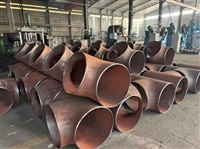
Carbon steel stainless steel equal diameter reducing tee DN50-DN1200 butt welded pipe fittings 20 # Q235B304/316L
Category:
building materials/Pipe fittings/Tee
Model:
DN15-DN2200
Brand:
Longchangtai
Material:
20#/Q235B/304/316L
Type:
Welding tee
caliber range:
DN50-DN1200
Execution Standard:
GB/T12459-2017/ASME B16.9
connection method:
butt welding
Surface Treatment:
Sandblasting/acid pickling passivation
Operating temperature:
-20℃~450℃
Applicable pressure:
PN1.0-PN4.0MPa
Retail Price
10,000,000.00USD
重量
kg
- Product Description
-
Material 20#/Q235B/304/316L
Type Welding tee
caliber range DN50-DN1200
Execution Standard GB/T12459-2017/ASME B16.9
connection method butt welding
Surface Treatment Sandblasting/acid pickling passivation
Operating temperature -20℃~450℃
Applicable pressure PN1.0-PN4.0MPa
Description :
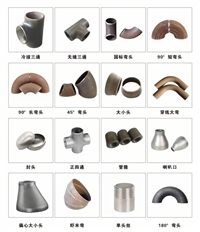
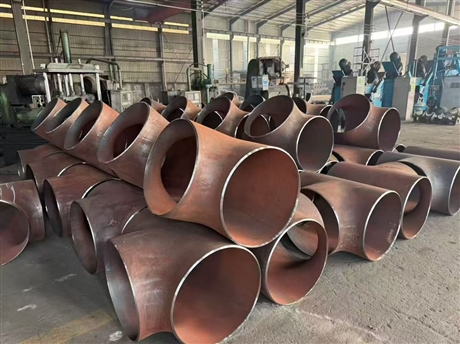
A tee is a key pipe fitting used in pipeline systems to change fluid flow direction or achieve branch connections. Its core structure is a T-shaped or Y-shaped interface formed by the intersection of a main pipeline and a vertical branch pipe. This product is mainly used to solve the engineering needs of straight pipelines that require diversion, merging, or turning. Typical working conditions include branch access of oil and gas transmission trunk lines, multi-directional connections of complex pipeline networks in chemical plants, and node allocation of urban heating and water supply systems. According to different connection methods, the main ones shown in the figure are butt welded tees, which are integrated with the pipeline through welding. They are suitable for industrial scenarios with high pressure, high temperature, and strict sealing requirements, and can effectively withstand the impact and pressure fluctuations of the medium inside the pipeline.
The specifications of the three-way connector cover multiple dimensions such as material, size, wall thickness, and execution standards. In terms of materials, we offer two main options: carbon steel (20 #, Q235B) and stainless steel (304, 316L). Carbon steel has high strength and low cost, and is suitable for general water, gas, and oil media; Stainless steel material has excellent corrosion resistance and is suitable for high cleanliness environments such as acid and alkali, seawater, or food and medicine. The size range usually covers DN50 to DN1200, and the wall thickness is determined according to the SCH series standards (such as SCH40, SCH80) or the national standard GB/T12459-2017 to ensure that the pressure bearing capacity matches the pipeline grade. The manufacturing process often adopts hot pressing or cold drawing pushing, and the surface is sandblasted for rust removal or acid washed for passivation treatment, which complies with ASME B16.9 or GB/T13401 standards. Some products can be inspected for weld quality through ultrasonic testing.
When selecting, it is important to distinguish between equal diameter tees and reducing tees: equal diameter tees have the same diameter at their three branches and are suitable for branching pipes of the same diameter; The diameter of the main and branch pipes of the reducing tee is different, and they are used for reducing connections. The size of "big end x small end" needs to be clearly marked. In addition, the characteristics of the medium should also be considered: if transporting corrosive media, 316L stainless steel is preferred; If it is high-temperature steam, the strength reduction factor of carbon steel material at high temperature needs to be verified. Not applicable scenarios include non critical civil water supply and drainage at low pressure and room temperature (in this case, threaded or grooved tees can be used to reduce costs), as well as the transportation of strong wear particle media (requiring additional wear-resistant lining). Compared with elbows and flanges, the core difference of tees lies in their branching function. When selecting, it is necessary to confirm the angle of the branch pipe (usually 90 °, special working conditions can use 45 ° oblique tees) to reduce fluid resistance.
During the installation process, it is necessary to ensure the accuracy of groove processing and welding process specifications for butt welded tees. It is recommended to use argon arc welding as the base and manual arc welding as the cover. After welding, heat treatment should be carried out to eliminate stress and non-destructive testing should be performed. The typical service life can reach 10-15 years under normal operating conditions, but it is necessary to regularly inspect the weld area for cracks or signs of corrosion. It is recommended to conduct a visual inspection every six months for daily maintenance, with a focus on observing whether the root of the branch pipe has fatigue cracks due to vibration; If local corrosion is found, repair welding or replacement of the section can be used for treatment. Common faults include weld leakage (often caused by welding defects or lack of heat treatment), branch blockage (due to accumulation of impurities in the medium), and preventive measures include strict control of welding quality, installation of filters, and regular cleaning of pipelines.
AfterSalesService :
Key words:
More Products