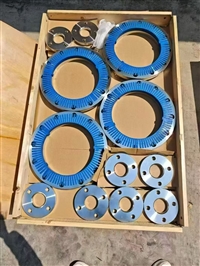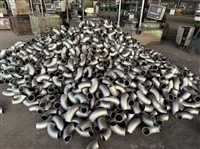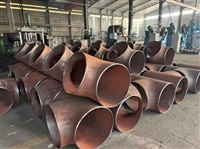

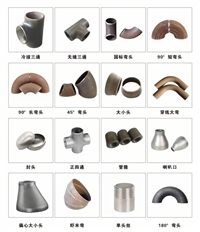
Carbon steel and stainless steel anti-corrosion pipeline fittings, elbow tee, large and small head, butt welded pipe fittings
Category:
building materials/Pipeline system/Pipeline auxiliary materials
Model:
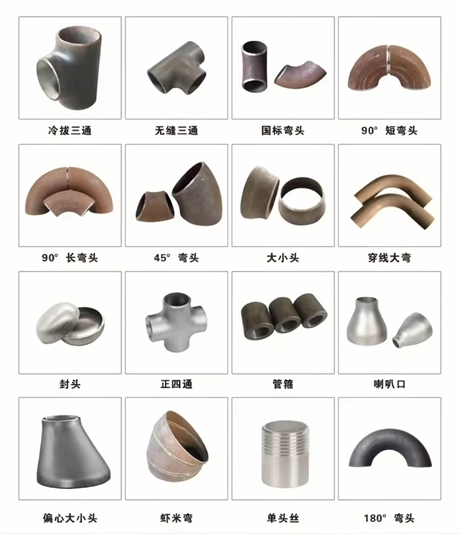
Cold drawn tee/seamless tee/national standard elbow/90 ° short elbow/90 ° long elbow/45 ° elbow/big
Brand:
Longchangtai
Execution Standard:
GB/T12459-2017, ASME B16.9
Common materials:
20#, Q235B, 304, 316L, alloy steel
Nominal Diameter:
DN15 - DN1000
Wall thickness grade:
Sch10, Sch40, Sch80, Sch160
bend radius:
Long radius (R=1.5D), short radius (R=1.0D)
connection method:
Butt welding (BW), socket welding (SW), threading (NPT/BSP)
Surface Treatment:
Sandblasting rust removal, epoxy anti-corrosion, galvanizing, polishing
Operating temperature:
-40 ℃ to+650 ℃ (depending on the material)
Detection method:
Ultrasonic testing (UT), radiographic testing (RT)
Application Fields:
Petrochemical industry, natural gas pipeline network, power boiler, sewage treatment
Retail Price
10,000,000.00USD
重量
kg
- Product Description
-
Execution Standard GB/T12459-2017, ASME B16.9
Common materials 20#, Q235B, 304, 316L, alloy steel
Nominal Diameter DN15 - DN1000
Wall thickness grade Sch10, Sch40, Sch80, Sch160
bend radius Long radius (R=1.5D), short radius (R=1.0D)
connection method Butt welding (BW), socket welding (SW), threading (NPT/BSP)
Surface Treatment Sandblasting rust removal, epoxy anti-corrosion, galvanizing, polishing
Operating temperature -40 ℃ to+650 ℃ (depending on the material)
Detection method Ultrasonic testing (UT), radiographic testing (RT)
Application Fields Petrochemical industry, natural gas pipeline network, power boiler, sewage treatment
Description :
Anti corrosion pipeline fittings are key metal components used in industrial pipeline systems for connecting, turning, reducing, and sealing pipelines. They mainly solve the problems of direction change, pressure balance, and pipeline end closure during fluid transportation. This series of products includes butt welded and threaded connectors such as elbows, tees, tees, reducers, and heads, which are widely used in working conditions such as petroleum, chemical, natural gas, power, and water treatment. By selecting corrosion-resistant materials or conducting internal and external wall anti-corrosion treatment, it effectively resists acid and alkali medium erosion and electrochemical corrosion, ensuring long-term sealing and structural strength under high pressure, high temperature or harsh chemical environments, and meeting the connection requirements of various pipe diameters such as DN15-DN1000.
This type of pipeline fittings usually comply with international and domestic standards such as GB/T12459, GB/T13401, or ASME B16.9. The materials used are mostly 20 # carbon steel, Q235B, 304/316L stainless steel, or alloy steel. Some products have their surfaces sandblasted and rust removed before being coated with epoxy coal tar, polyethylene, or galvanized for corrosion protection. In terms of specifications, the wall thickness covers more than 10 to 160 levels of Sch10, and the bending radius is divided into long radius (R=1.5D) and short radius (R=1.0D), with angles including 45 °, 90 °, 180 °, and customized angles. The manufacturing process adopts hot pressing, cold drawing or compression forming, and the welds need to undergo 100% ultrasonic or radiographic testing to ensure no cracks or slag inclusions. The pressure bearing capacity meets the design pressure requirements, and the roughness of the flange connection surface reaches Ra3.2 or above to ensure a tight fit of the sealing gasket.
When selecting, it is important to distinguish between the characteristics of the medium and the connection method: for highly corrosive acidic and alkaline fluids, 316L stainless steel or PTFE lined material must be selected, and the integrity of the anti-corrosion coating must be confirmed; High pressure steam pipelines should prioritize seamless forged fittings over welded joints to avoid the risk of weld cracking. Pay attention to distinguishing the application scenarios of concentric and eccentric reducers. Eccentric reducers are required for horizontal pump inlet pipelines to prevent cavitation, while concentric reducers are used for vertical pipelines. If space is limited and a compact layout is required, short radius elbows can be used, but the increased local resistance loss should be evaluated. Threaded connectors such as single head wires are only suitable for low-pressure small-diameter instrument pipes, and threaded connections are strictly prohibited for large-diameter main pipelines. Welding or flange connections should be used to ensure safety.
Before installation, it is necessary to clean the debris and burrs inside the pipe, check whether the anti-corrosion layer is damaged, and if there are scratches, apply them according to the process requirements. When welding connections, attention should be paid to preheating temperature and interlayer temperature control, especially for alloy steel materials. After welding, heat treatment is required to eliminate stress. In daily maintenance, regularly check whether the anti-corrosion layer on the outer wall of the pipe fittings has peeled off or rusted, especially in buried or humid environments. If rust spots are found, they should be promptly polished, derusted, and re anti-corrosion should be carried out. For the inner side of elbows that transport media that are prone to crystallization or high viscosity, attention should be paid to wear and if necessary, wear-resistant lining should be added. During system pressure testing, it is strictly prohibited to use pipe fittings as load-bearing support points. Independent brackets should be set up to avoid deformation of pipe fittings or cracking of welds caused by the thrust generated by pipeline thermal expansion and contraction.
AfterSalesService :
Key words:
More Products